Why Is Early Autumn Driving Riskier Than Summer Driving? The Direct Answer
To many drivers in Plainfield and across Will County, late summer feels like the safest time of year to navigate the roads. Dry asphalt, long daylight hours, and warm temperatures create a false sense of security that carries directly into September. However, statistical accident data and automotive safety engineering both confirm a surprising reality: early autumn introduces a dramatic spike in driving risk compared to mid-summer. The shift happens rapidly, often before drivers adjust their habits, transforming familiar commutes along Route 59, I-55, and Lincoln Highway into treacherous corridors.
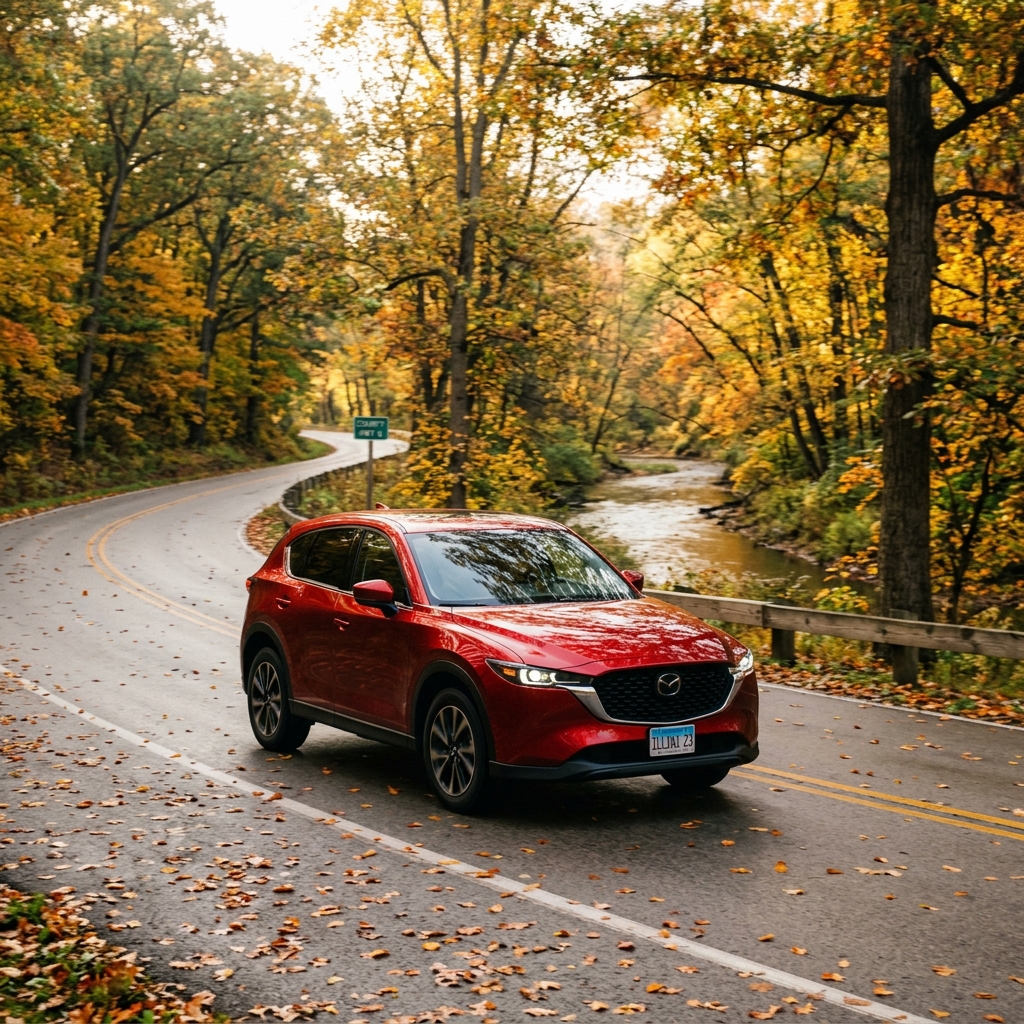
The heightened danger of early autumn stems from five overlapping environmental and mechanical triggers that converge simultaneously: 1. Decaying Wet Leaves: As trees shed foliage, damp leaves on asphalt release organic oils and tannic acids, creating a slick barrier with a coefficient of friction comparable to black ice. 2. Rapid Thermal Fluctuations: Overnight temperatures frequently drop into the 40s and 30s, causing tire pressure to plunge and standard rubber compounds to harden, severely compromising traction before the driver even leaves the driveway. 3. Blinding Low-Angle Sun Glare: The seasonal shift in the solar trajectory aligns intense sunrise and sunset glare directly with eyes and windshields during peak morning and evening rush hours. 4. Unpredictable Morning Frost and Dew: Shaded overpasses, river bridges, and low-lying rural stretches develop invisible micro-layers of moisture and ice during early hours. 5. Peak Wildlife Activity: The autumn rutting season triggers aggressive deer movement across suburban-rural transition zones throughout Plainfield, Joliet, and Shorewood. At Hawk Mazda in Plainfield, IL, our certified service specialists help local drivers prepare for these silent seasonal hazards. By understanding the physics of autumn road conditions and equipping your vehicle with advanced technologies like Mazda i-Activ AWD®, you can maintain absolute confidence through every seasonal transition.
How Wet Fallen Leaves Create Summer-Like Slick Spots on Plainfield Roads
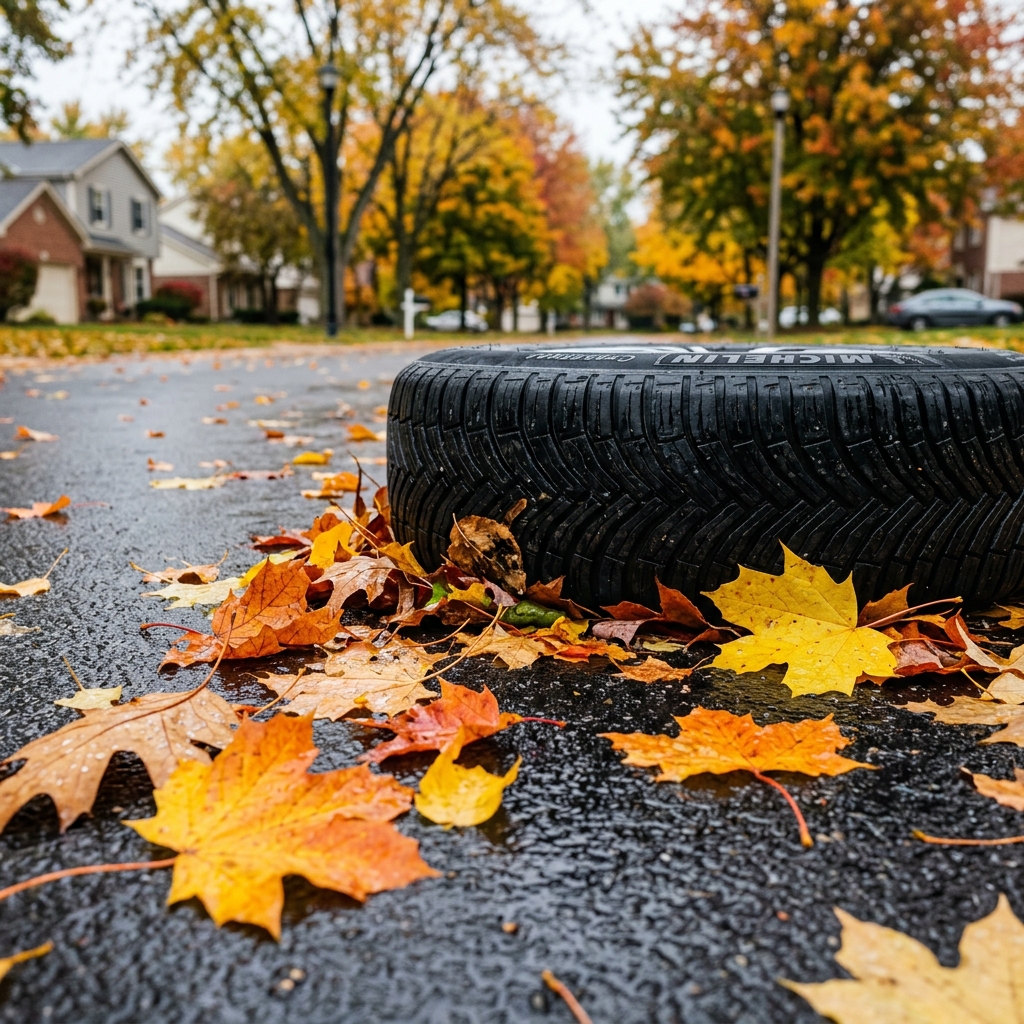
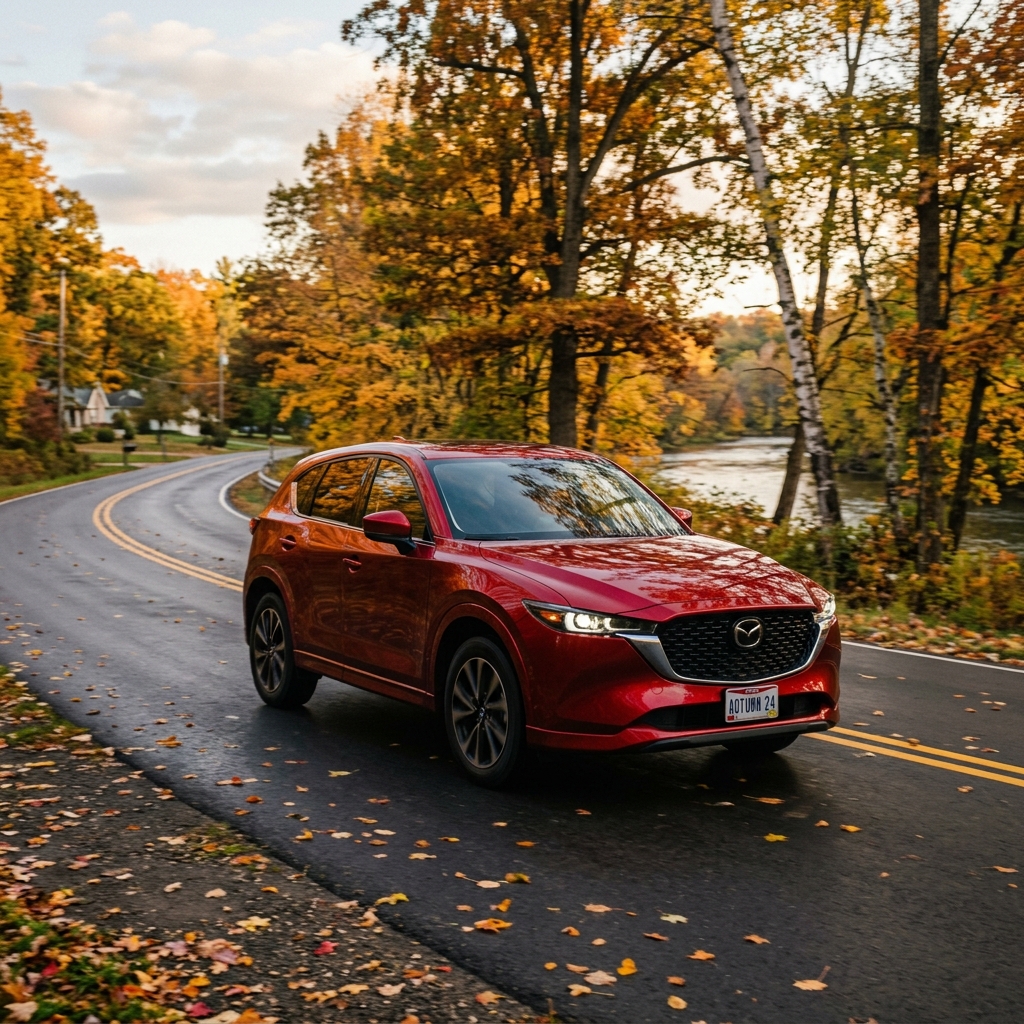
Most motorists recognize that winter ice demands extreme caution, but few realize that a wet layer of leaves on pavement provides virtually the same traction loss. When mature foliage drops onto damp road surfaces, a complex chemical process begins immediately. As tires crush the wet leaves against the asphalt, the plant matter releases natural pectin, cellulose fluids, and tannic acids. This creates a gelatinous, slippery film that seals off the rough texture of the pavement underneath. Under dry summer conditions, clean asphalt typically offers a coefficient of friction around 0.7 to 0.85. When covered in wet, decaying leaves, that coefficient drops precipitously to 0.15–0.20—a friction level almost identical to wet ice. Vehicles attempting to brake or steer over leaf-covered pavement experience sudden hydroplaning-like slide events, extending stopping distances by up to 300%.
In local communities like Plainfield, Shorewood, and Crest Hill, these leaf hazards concentrate in distinct micro-climates. Tree-lined residential corridors—such as those surrounding Heritage Grove or the mature neighborhood streets along Lockport Street—accumulate thick layers of leaves that trap morning moisture long after open arterial roads have dried. Similarly, low-lying routes near the DuPage River valley experience high relative humidity that prevents leaf piles from drying out even on sunny autumn afternoons.
At What Temperature Do All-Season Tires Lose Flexible Traction?
A common misconception among Midwest drivers is that all-season tires maintain optimal performance until snow begins to fall. In reality, tire rubber chemistry is dictated entirely by ambient temperature, not precipitation. The critical threshold for standard all-season rubber compounds is 45°F (7°C). Above 45°F, the synthetic polymers and silica compounds within all-season tires remain pliable, allowing the tread blocks to flex and interlock with microscopic road surface imperfections. Once the ambient temperature drops below 45°F, the rubber undergoes a molecular hardening process known as glass transition. The rubber stiffens, reducing its compliance and severely diminishing its mechanical grip on cold asphalt—even when the road surface appears completely dry.
Compounding this rubber hardening issue is atmospheric pressure physics. According to Gay-Lussac's Law, for every 10°F drop in ambient temperature, pneumatic tire pressure decreases by approximately 1 PSI (pound per square inch). During late August and early September in Will County, daily temperature swings of 30°F between afternoon highs and early morning lows are common. An inflation pressure of 33 PSI set during a warm afternoon can drop to 30 PSI overnight. Under-inflated, cold tires exhibit uneven contact patches, excessive shoulder wear, and sluggish steering response. If your tires are already worn down near 4/32" tread depth, cold autumn mornings will noticeably lengthen emergency stopping distances.
How Does Mazda i-Activ AWD Adapt to Early Autumn Temperature Drops and Slippery Roads?
200 Calculations Per Second
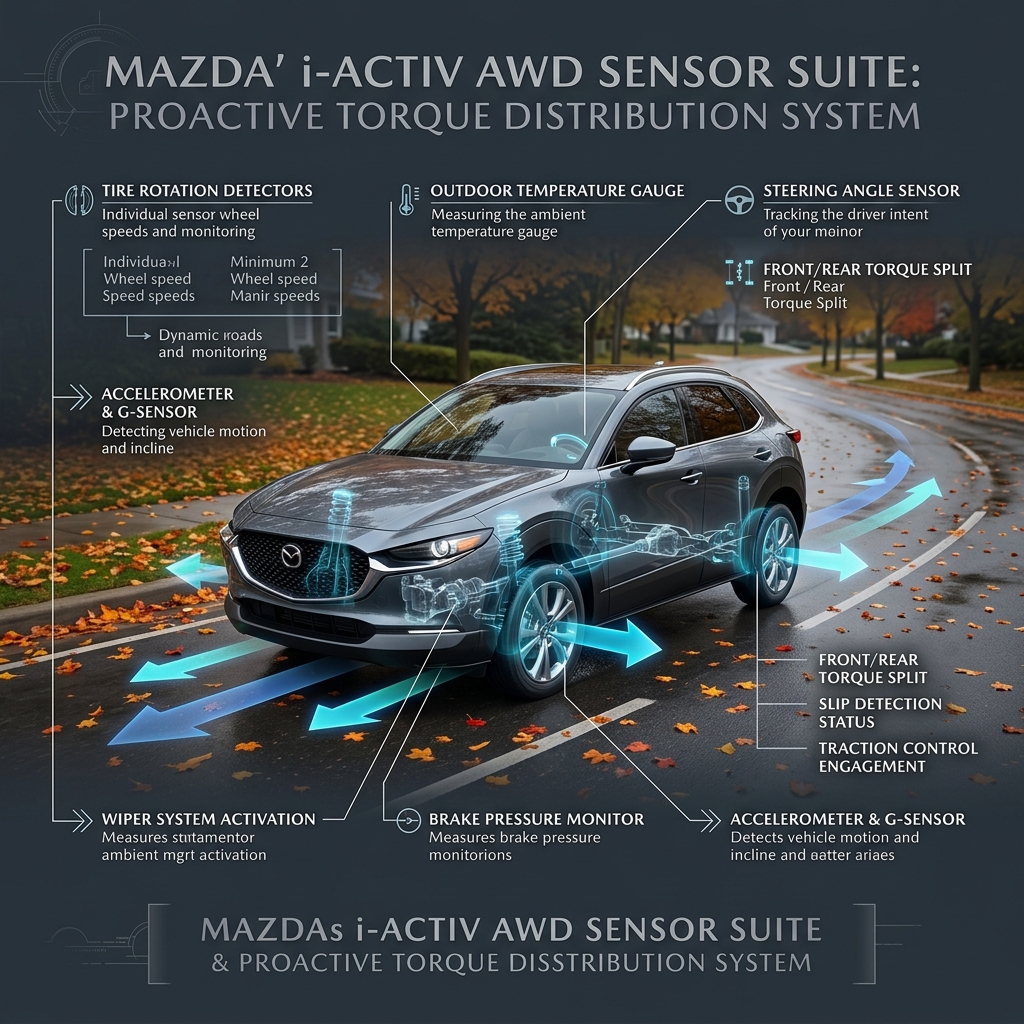
Conventional all-wheel drive systems are reactive—they wait for a wheel to slip on slick leaves or frost before shifting power to the rear axle. Mazda i-Activ AWD® operates predictively. By continuously monitoring 27 distinct vehicle sensors 200 times per second, the system detects subtle environmental changes before wheel spin ever occurs.
Real-Time Sensor Fusion
The system tracks ambient outside temperature gauges, windshield wiper movement, steering angle, brake pressure, and individual wheel acceleration differentials. If the outside temperature dips to 40°F and wipers are active on wet Plainfield roads, i-Activ AWD instantly prepares torque transfer to the rear wheels.
Proactive Torque Distribution
By applying the exact required torque to the rear wheels prior to acceleration, i-Activ AWD preserves precise directional stability through damp autumn turns. This seamless operation prevents power loss and reduces driver fatigue during cold morning commutes.
Whether you are navigating the morning rush along I-55 or taking scenic backroads near the DuPage River, experience how Mazda engineering keeps you in control. Explore our latest AWD inventory today.
How Does G-Vectoring Control Plus Enhance Mazda AWD Stability in Slippery Curves?
Slippery autumn corners demand delicate chassis balance. When a vehicle enters a curve coated in wet leaves or damp dew, abrupt weight transfers can trigger understeer (pushing wide) or oversteer (tail sliding). Mazda solves this challenge at the mechanical physics level using standard G-Vectoring Control Plus (GVC Plus). As you initiate a turn on winding routes like Black Road in Shorewood or Caton Farm Road in Plainfield, GVC Plus momentarily reduces engine torque by a fraction of a percent. This minute reduction shifts vehicle weight slightly forward onto the front tires, increasing front contact patch grip and improving initial turn-in response.
As you complete the corner and return the steering wheel to the center position, GVC Plus applies a subtle braking force to the outer wheels. This stabilized yaw moment pulls the car back into a straight line with remarkable composure. On slick, leaf-strewn autumn pavement, GVC Plus works in tandem with i-Activ AWD® to eliminate twitchy steering corrections. Passengers experience smoother, more comfortable rides, while drivers enjoy heightened confidence through tricky curves. To learn more about how these systems function on your model, Call us at (779) 260-6502 to speak with a Hawk Mazda product expert.
How Can I Tell If My Mazda AWD Battery Is Ready for Colder Mornings?
It is a well-documented automotive fact that summer heat damages automotive batteries, but autumn cold reveals the failure. High summer under-hood temperatures accelerate chemical internal corrosion and evaporate electrolyte fluids inside 12-volt lead-acid batteries. While the battery may continue starting the car effortlessly in 85°F weather, its internal capacity is severely degraded. When early autumn morning temperatures drop into the 30s and 40s, engine oil thickens, requiring up to 40% more electrical current from the battery to crank the starter motor. At the exact same time, cold ambient temperatures reduce the battery's available chemical energy by 20–30%. A heat-damaged battery that performed fine in July will suddenly collapse on a crisp October morning in Will County.
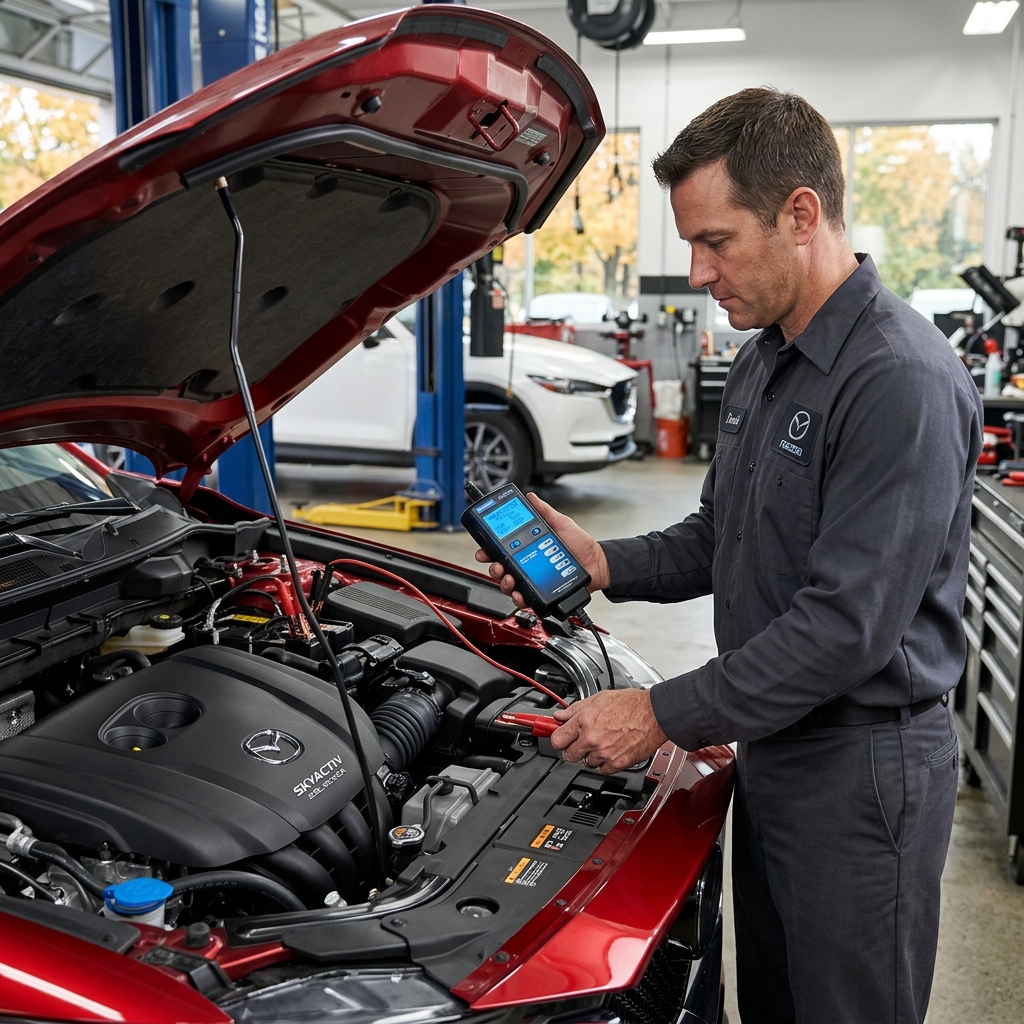
What battery test is most useful before cold weather? Digital battery conductance testing is the industry gold standard. Unlike old-fashioned carbon pile load testers that merely measure static voltage, conductance testing sends a high-frequency AC signal through the battery cells to measure internal resistance and determine actual Cold Cranking Amps (CCA) capacity relative to original factory specifications. Warning signs of an autumn battery failure include slow engine cranking, dim interior lighting during start-up, or erratic Mazda Connect screen reboots. If your battery is more than three years old, Schedule Your Service Today at Hawk Mazda for a complimentary battery conductance test.
Navigating Autumn Sun Glare, Shorter Days, and Wildlife Activity in Will County
Blinding Low Solar Angle
During early autumn, the sun sits significantly lower on the horizon during peak commute hours. Driving east on Renwick Road during sunrise or west along 143rd Street at sunset creates blinding glare. Combined with hazy morning windshield film, visibility can be reduced to zero in seconds.
Rapid Daylight Loss
Will County loses over two hours of daylight between late August and late October. Evening rush hours transition quickly from broad daylight to twilight and darkness. Pedestrians, cyclists, and school children near Plainfield neighborhoods become far harder to spot in low-light conditions.
Peak Deer Movement
Autumn marks the white-tailed deer mating and migration season (the rut). Deer activity surges by over 400% between October and November, particularly along rural-suburban boundaries near Ridge Road and County Line Road. Deer frequently dart onto roadways during dusk and dawn without warning.
Preparing Your Mazda AWD for Early Autumn Commutes and Temperature Drops in Will County
Proactive vehicle maintenance is the most effective safeguard against early autumn road hazards. Following a comprehensive seasonal maintenance inspection ensures every system on your Mazda is optimized for falling temperatures and wet roads.
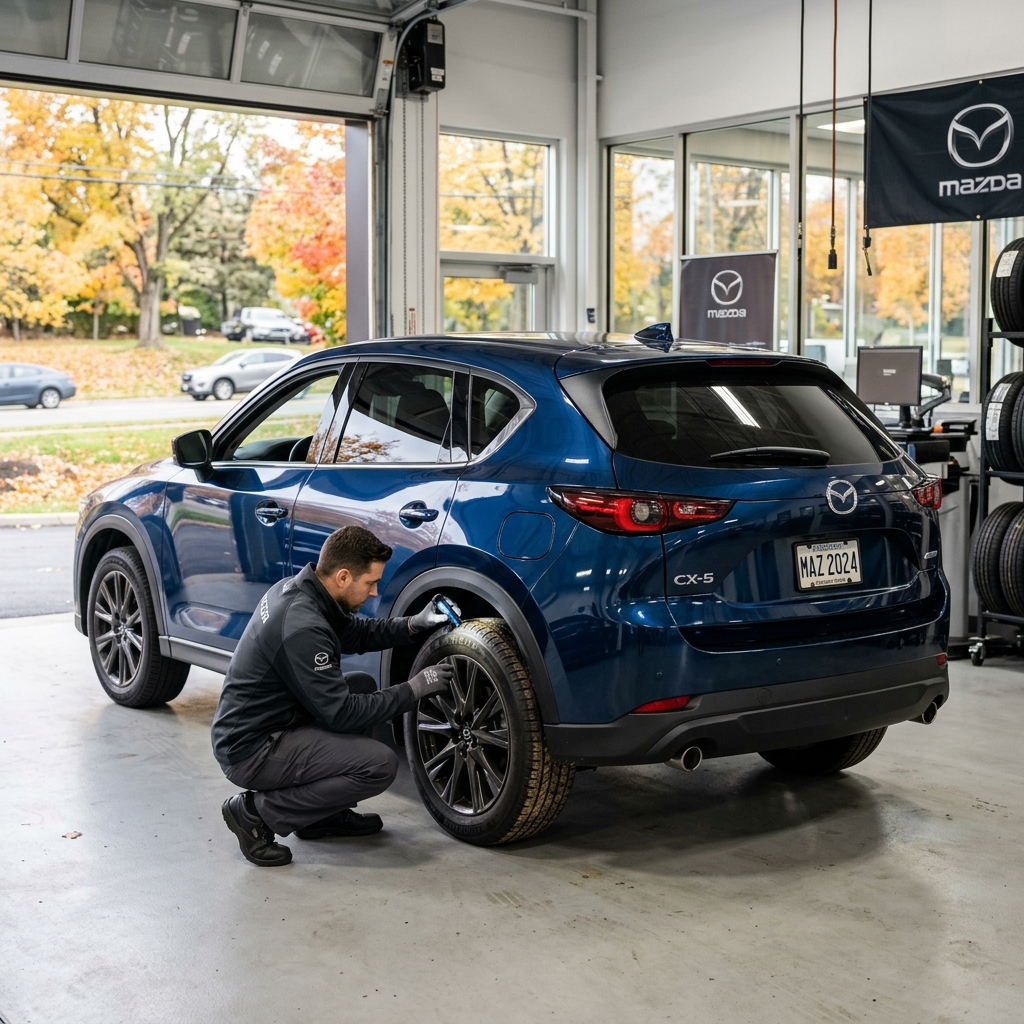
Essential Autumn Vehicle Inspection Items:• Wiper Blade Replacement: Summer heat bakes rubber wiper edges, causing streaking. Fresh beam-style wiper blades clear heavy morning dew, fallen leaves, and autumn rain squalls effortlessly. • Washer Fluid Winterization: Drain summer bug-wash fluid and fill with sub-zero de-icing washer fluid before the first overnight freeze hits Will County. • Brake System Friction Inspection: Damp roads demand optimal stopping power. Inspect brake pad thickness, rotor surfaces, and caliper sliders for corrosion. • Tread Depth & Pressure Adjustment: Ensure tire tread depth is at least 5/32" for proper leaf hydroplaning resistance. Adjust cold tire pressures to vehicle door placard specs. • Cabin Air Filter Renewal: Remove summer pollen, ragweed, and dust accumulation to prevent windshield fogging when heating systems are engaged. • HVAC Defroster Check: Verify proper air conditioning compressor operation—the AC system acts as a dehumidifier to clear fogged cabin glass rapidly on cold mornings.
Early Autumn Driving Risks Along Route 59, I-55, and the DuPage River Corridor
Driving dynamics in Will County are heavily shaped by local topography and infrastructure layout. Route 59 through Plainfield serves as a high-density commuter artery where stopping distances matter immensely. During early autumn, stop-and-go traffic combined with wet leaf buildup at major intersections—such as Route 59 and 135th Street—leads to frequent rear-end collisions when drivers misjudge available traction. Along Interstate 55, higher travel speeds exacerbate the impact of sudden thermal drops and heavy rain. Cold pavement reduces tire hydroplaning thresholds, while heavy commercial vehicle spray creates instant visibility cutoffs during autumn storms.
The DuPage River corridor presents a distinct micro-climate challenge. Low-lying stretches along Electric Park and Plainfield-Naperville Road trap cool, humid river air overnight. As ambient temperatures drop, dense radiation fog forms unexpectedly in low elevation pockets. Furthermore, the wooden bridge decks and concrete overpasses near the river freeze significantly faster than surrounding ground-level asphalt. Additionally, agricultural harvest operations along US-30 and Ridge Road in surrounding farm areas deposit thick mud, field dirt, and chaff onto the roadway. When mixed with light rain, this agricultural debris creates a slick sludge that severely compromises vehicle handling.
Essential Mazda OEM Autumn Accessories and AWD Model Upgrades
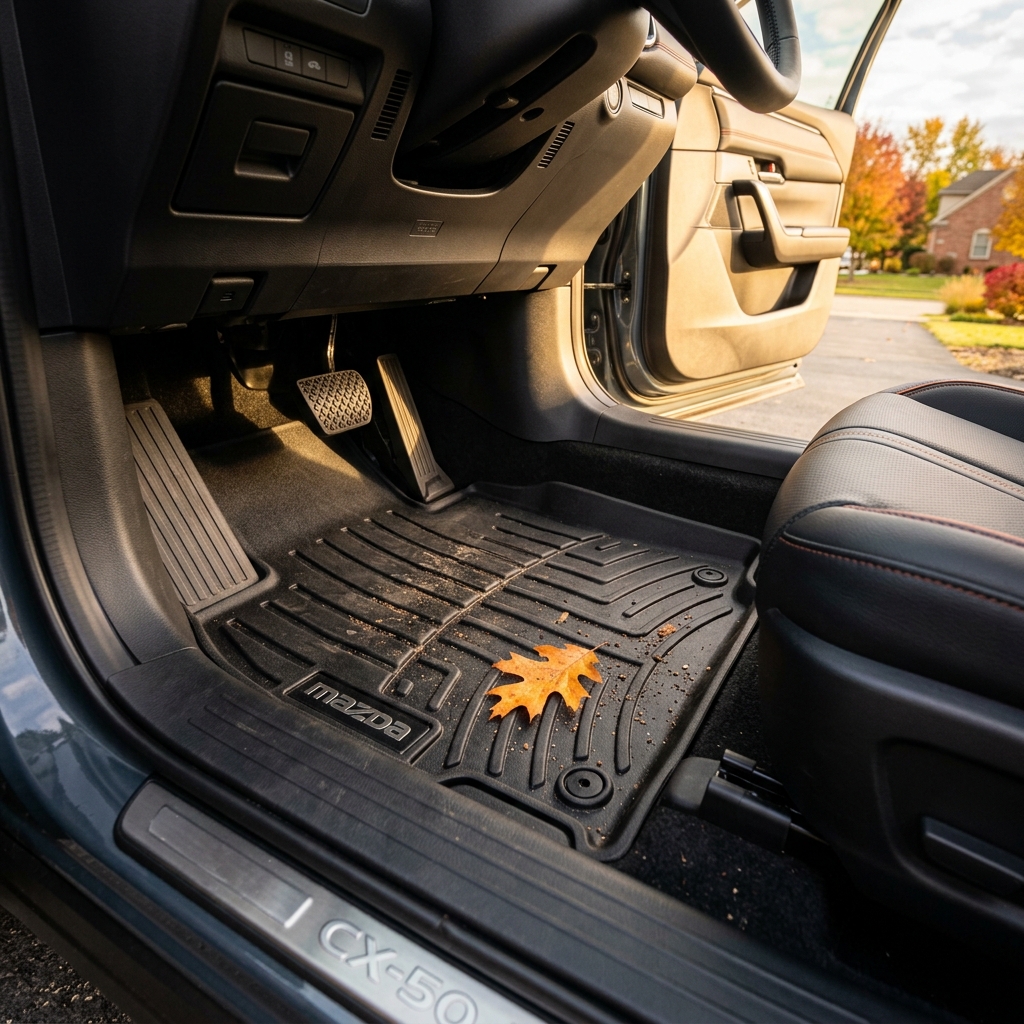
High-Wall All-Weather Mats
Protect your vehicle's carpeting from autumn mud, damp leaves, and early winter slush. Genuine Mazda high-wall floor mats fit precise cabin contours. Order Genuine Mazda Parts directly through Hawk Mazda.
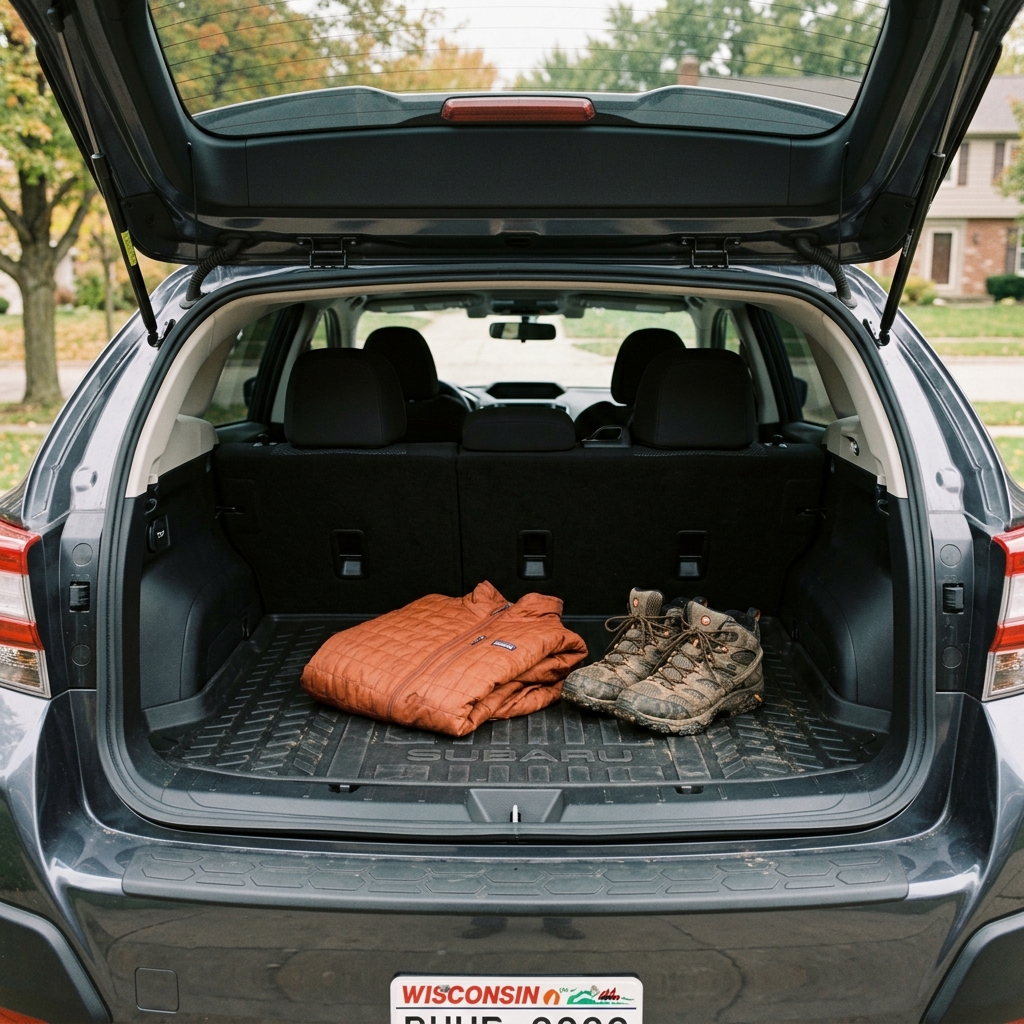
Fitted Cargo Trays
Keep wet outdoor gear, autumn sports equipment, and garden supplies contained with a durable, spill-resistant cargo liner engineered specifically for your Mazda crossover or sedan model.
Why Pre-Season Maintenance Saves Will County Drivers Money and Stress
Waiting for the first major freezing rain or heavy autumn storm to address vehicle maintenance is a costly gamble. Emergency roadside towing during severe weather surges in price, while sudden mechanical breakdowns on busy routes like I-55 or Route 59 create unnecessary safety hazards and schedule disruptions. Investing in routine pre-season service—such as a battery replacement, brake service, or fresh set of all-season tires—typically costs a fraction of emergency towing fees and unexpected collision repairs. Catching minor wear items early prevents cascading mechanical damage down the road.
At Hawk Mazda, we believe safety and maintenance should remain affordable for every driver in our community. We offer seasonal service specials, transparent pricing, and flexible payment solutions. If you are considering trading in your vehicle for an AWD model equipped for Midwest weather, you can easily Get Your Trade-In Value online in minutes. Looking to upgrade your vehicle's capability while keeping monthly payments manageable? Take a moment to Apply For Financing Now or visit our Plainfield showroom to explore your options with our dedicated team.
Schedule Your Autumn Vehicle Inspection at Hawk Mazda in Plainfield Today
Early autumn driving risks are real, but with the right preparation and advanced vehicle engineering, you can navigate every turn in Will County with complete peace of mind. Don't wait for slick leaves, sudden morning frost, or a dead battery to compromise your commute. Trust the factory-trained specialists at Hawk Mazda to prepare your vehicle for the road ahead.