Why You Should Never Check Tire Pressure Immediately After Highway Driving in Winter
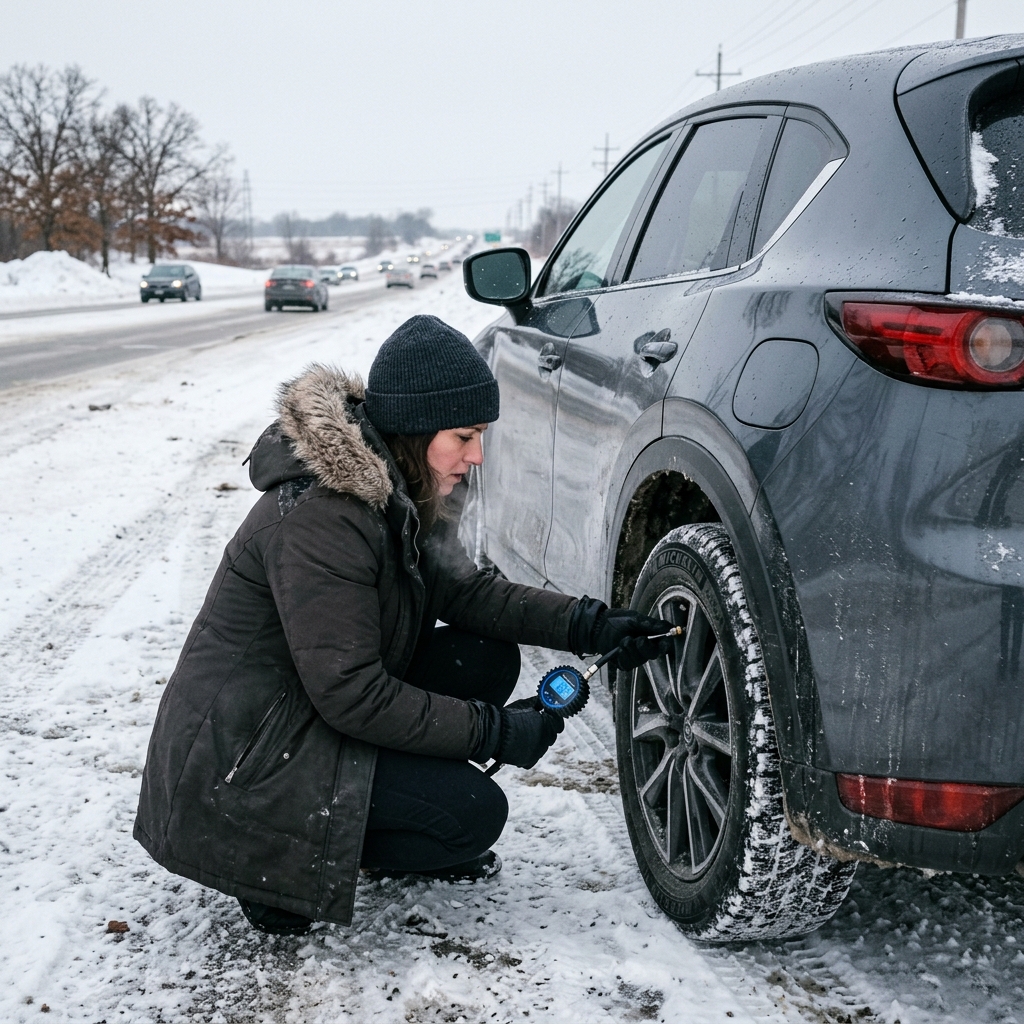
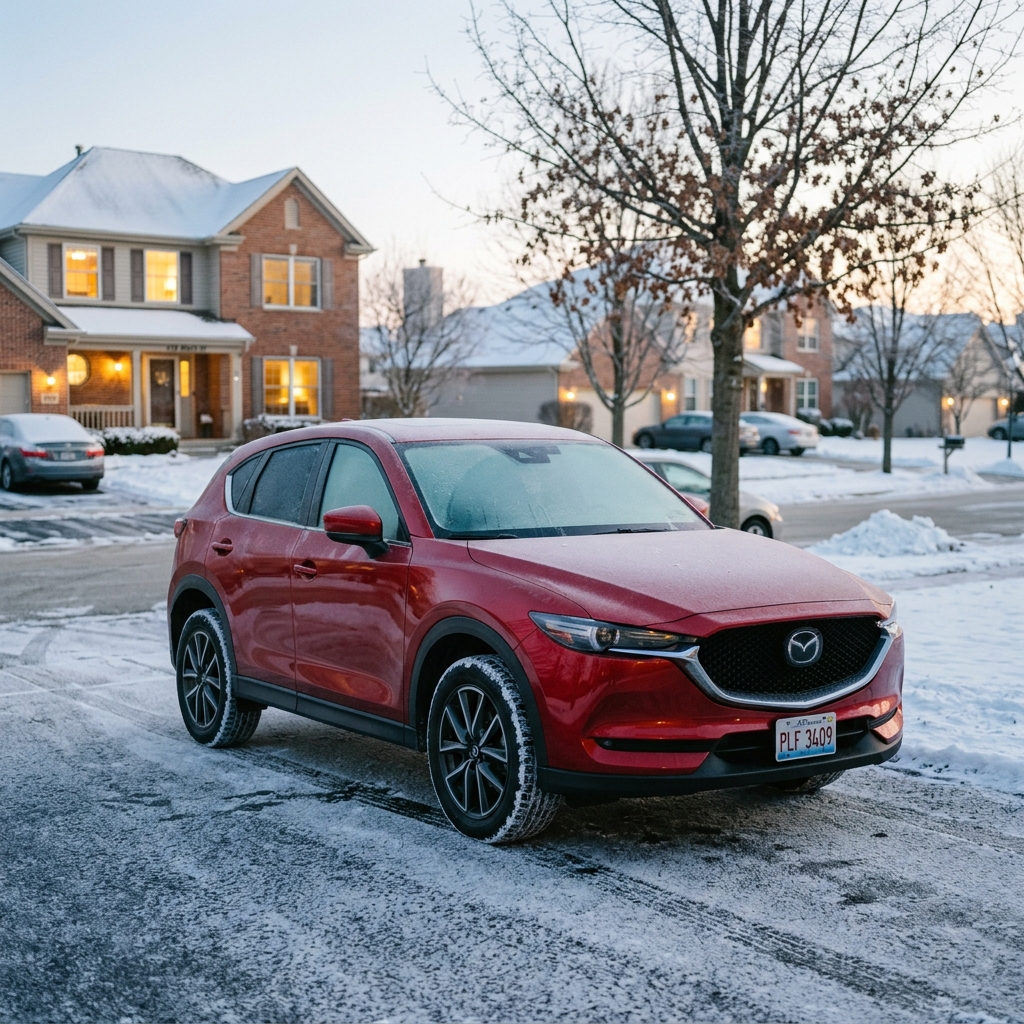
When winter grips Will County and temperatures plunge across Plainfield, Shorewood, and Joliet, drivers frequently notice their tire pressure warning lights illuminating during early morning commutes. It is tempting to pull off the highway at the nearest gas station along Route 59 or I-55, grab an air gauge, and adjust your tire pressure right away. However, checking or adjusting tire inflation immediately after highway driving in freezing winter weather is one of the most critical maintenance mistakes a vehicle owner can make.
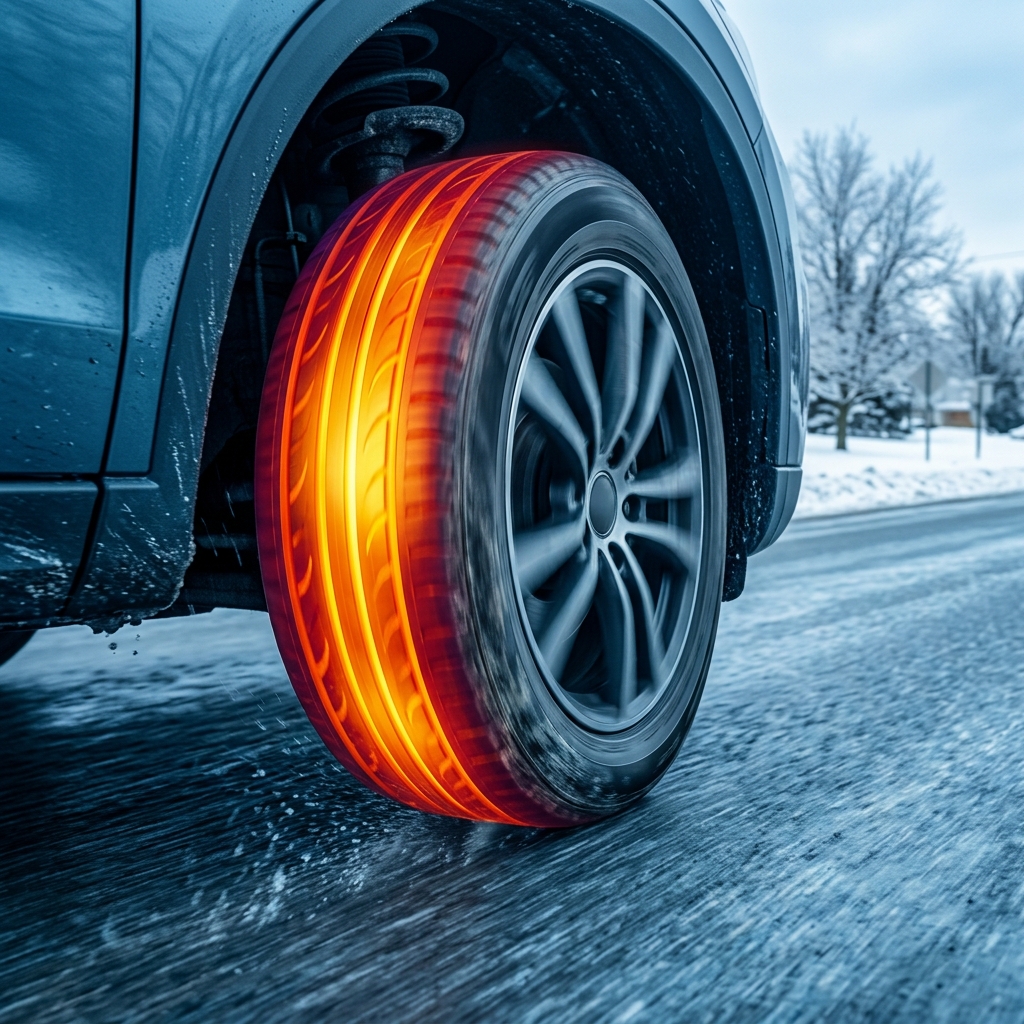
The Direct Takeaway: High-speed highway driving creates substantial internal tire friction and kinetic heat. This thermal buildup causes the air sealed inside your tires to expand rapidly, temporarily inflating the pressure reading by 3 to 5 PSI above its true baseline—even when the outside ambient temperature is well below freezing. If you measure tire pressure at this warm state and bleed air out to match the recommended manufacturer setting printed on your driver’s door pillar, you will leave your tires severely underinflated once they cool down. Driven cold, underinflated tires suffer accelerated tread wear, poor fuel economy, sluggish steering response, and dangerous loss of traction on slippery winter roads.
To maintain optimal vehicle safety and precise handling, always measure cold tire pressure when your vehicle has been parked for at least three hours or driven less than one mile at moderate speed. If you ever have questions regarding proper winter alignment or seasonal maintenance, the certified service technicians at Hawk Mazda are here to assist. You can easily Schedule Your Service Today for professional tire inspection and adjustment.
The Friction Factor: How Highway Speeds Artificially Inflate Cold Winter Tires
Understanding why tire pressure fluctuates requires a quick look at tire thermodynamics. As your vehicle cruises down interstate corridors like I-55 or I-80 at 65 to 70 miles per hour, the tire rubber continuously flexes, grips the pavement, and releases. This constant mechanical movement and road surface contact generates tremendous kinetic friction, transferring heat directly into the enclosed air cavity inside the tire.
According to Gay-Lussac's Law of thermodynamics, the pressure of a given mass of gas is directly proportional to its absolute temperature when volume remains constant. In practical driving terms: for every 10°F increase in air temperature inside the tire casing, internal pressure increases by roughly 1 PSI. On a winter highway run, internal tire air temperatures can easily jump 30°F to 50°F above the outside ambient air temperature, creating an artificial pressure spike of 3 to 5 PSI.
This artificial inflation means that stopping at a highway oasis or gas station service pump gives you a false reading. A tire recommended for 35 PSI cold might read 39 or 40 PSI while warm. Adjusting air pressure based on this temporary heat spike results in accurate hot readings but dangerous cold deficits.
How Much Does Tire Pressure Drop When the Temperature Drops in Cold Weather?
In northeastern Illinois, winter weather conditions are notoriously volatile. A mild afternoon temperature of 45°F can rapidly collapse into an overnight polar vortex dip down to 5°F or lower. For drivers in Plainfield and Will County, this extreme ambient drop has a immediate impact on tire inflation pressure.
The general physics rule governing vehicle tires states that cold tire pressure decreases by approximately 1 to 2 PSI for every 10°F drop in ambient outdoor temperature. When a sudden arctic freeze hits overnight, dropping local ambient temperatures by 30°F or 40°F, your tires will naturally lose 3 to 6 PSI of inflation pressure without a single nail hole or valve stem leak.
|
Ambient Temperature Change
|
Estimated PSI Drop
|
Driving Impact
|
|
Drop of 10°F
|
1 to 2 PSI
|
Minor variance, usually unnoticed
|
|
Drop of 20°F
|
2 to 4 PSI
|
Reduced fuel economy, soft feel
|
|
Drop of 30°F
|
3 to 5 PSI
|
TPMS warning light triggers
|
|
Drop of 40°F (Polar Freeze)
|
4 to 6+ PSI
|
Severe rim risk, compromised braking
|
The Hidden Danger of Bleeding Warm Tires on Freezing Chicagoland Roads
The Misleading Reading: Imagine driving down Route 59 on a cold 20°F morning. Friction warms your tire to 36 PSI hot. Believing the tire is overinflated relative to your vehicle’s recommended 32 PSI placard, you release 4 PSI of air.
The Overnight Drop: Once you park overnight in Shorewood or Joliet, the tire cools back to ambient temperature. The pressure now plummets from 32 PSI down to 27 or 28 PSI—leaving your vehicle critically underinflated when you start out the next morning.
Severe Structural Risks: Driving on chronically underinflated tires causes uneven shoulder wear, exposes alloy wheels to pothole damage, increases blowout risk, and impairs the responsiveness of advanced AWD systems like Mazda i-Activ AWD.
Step-by-Step Guide to Getting Accurate Cold Tire Pressure Readings
Step 1: Check First Thing in the Morning
Measure tire inflation before driving or at least three hours after parking. The driveway reading before your morning commute reflects true cold pressure.
Step 2: Locate Your Vehicle Door Placard
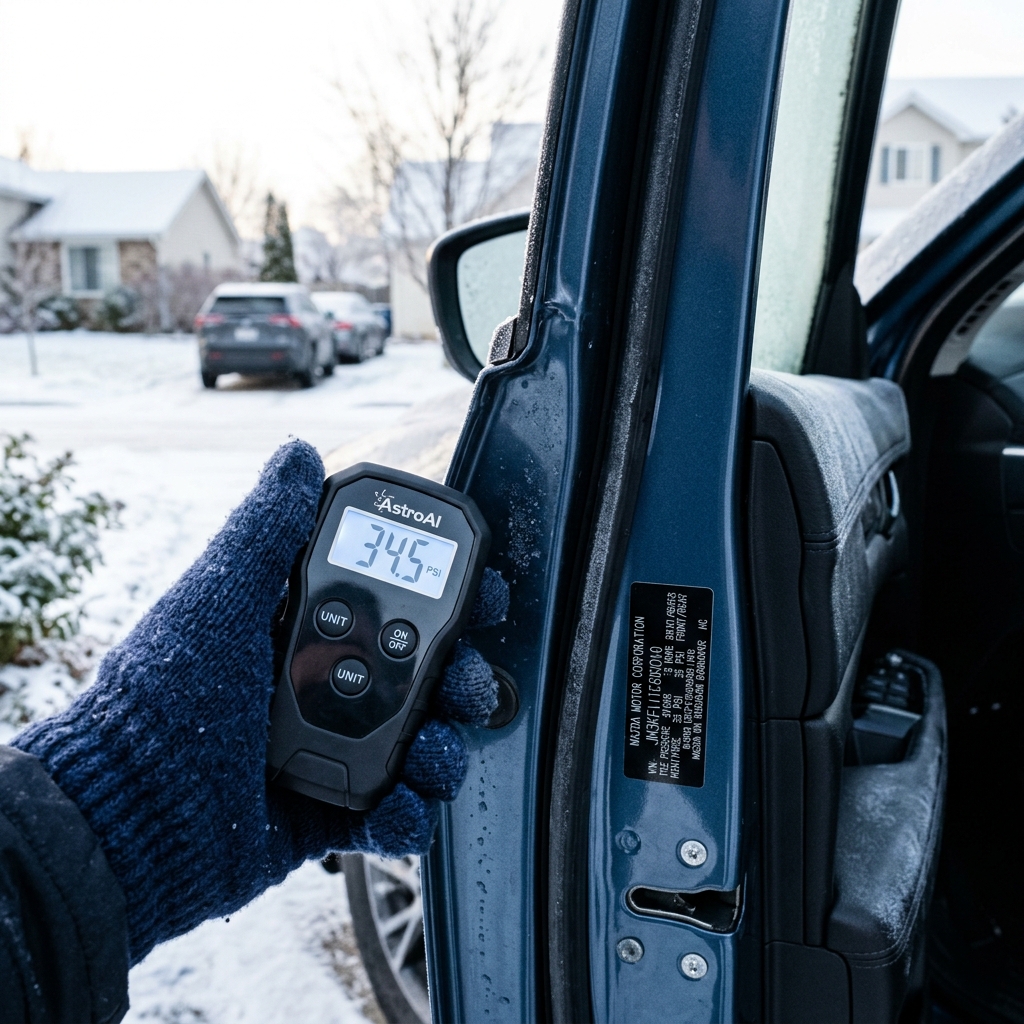
Never use the 'Max PSI' molded into the tire sidewall. Always refer to the specific Cold Tire Pressure sticker located on your vehicle’s driver-side door jamb or B-pillar.
Step 3: Use a High-Precision Digital Pressure Gauge
Pencil-style gauges can stick in sub-zero temperatures. A quality calibrated digital gauge provides reliable readings regardless of frozen outdoor conditions.
Step 4: Inflate in Your Driveway or Cold Local Station
Use a portable 12V air compressor in your driveway, or drive less than one mile at slow speeds to a nearby station. If you must drive further, note your cold reading at home and add air equal to the cold deficit.
At What Temperature Should You Swap All-Season Tires for Winter Snow Tires?
The Critical 45°F Threshold: All-season tire compounds contain rubber formulas designed for moderate weather. Once ambient outdoor temperatures drop below 45°F (7°C), the rubber stiffens and hardens, losing its ability to conform to road surfaces and drastically reducing grip.
Winter Compound Advantage: Dedicated winter snow tires utilize specialized hydrophilic rubber compounds and high-density sipe patterns that stay pliable in sub-zero weather, delivering up to 30% shorter stopping distances on ice and snow-covered pavement.
Synergy with Mazda i-Activ AWD: Combining advanced winter tire tread designs with intelligent Mazda i-Activ AWD offers unmatched cornering grip and winter stability. You can easily Order Genuine Mazda Parts and seasonal accessories directly through our tire hub.
Why Does My Car Battery Seem Weaker on Very Cold Mornings Even If It Isn’t Old?
When sub-zero Chicagoland morning temperatures arrive, vehicle owners often experience slow or sluggish engine cranking—even on batteries installed just a couple of years ago. This sluggishness is driven by a double-edged thermodynamic challenge involving electrochemistry and mechanical friction.
First, cold temperatures significantly slow down internal chemical reactions inside lead-acid batteries. At 32°F, a car battery loses roughly 20% of its available cranking capacity; when the thermometer drops to 0°F, capacity plummets by up to 50%. Simultaneously, engine oil thickens in freezing cold, creating far greater mechanical resistance that requires maximum electrical power to turn over the crankshaft.
Just as cold weather strains low tire pressure, winter places severe demands on your vehicle's electrical system. Combining low tire inflation rolling resistance with reduced battery capacity strains your starter motor and alternator unnecessarily.
At What Battery Age Should Chicagoland Drivers Start Planning a Replacement Before Winter?
The 3 to 5 Year Life Cycle: In northern climates like Illinois, automotive batteries experience severe thermal stress from summer heat acceleration followed by heavy winter cold drains. Most standard automotive batteries have an average reliable lifespan of 3 to 5 years.
Once a battery reaches 3 years of age, its risk of sudden internal failure increases exponentially during sharp cold snaps. Waiting for a battery to die during a freezing morning rush hour in Plainfield leads to unexpected inconvenience and towing expenses.
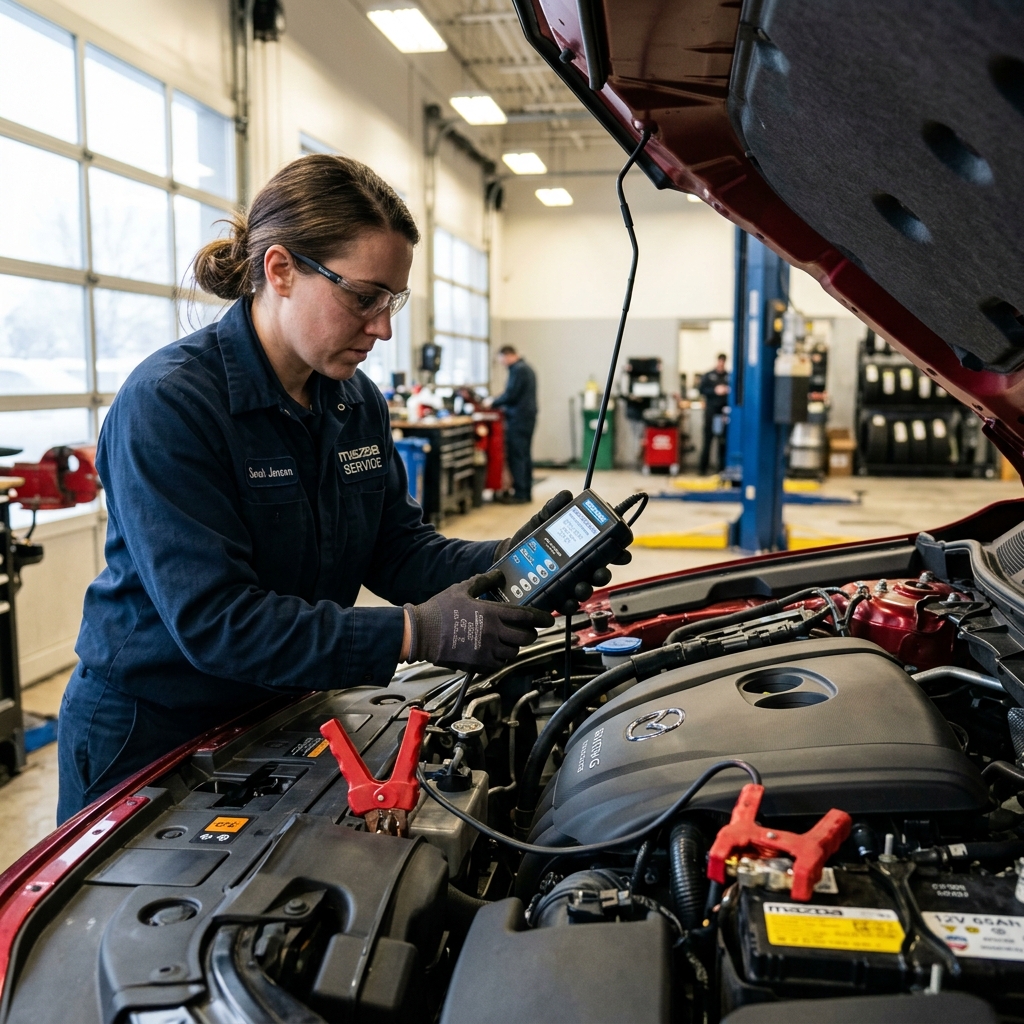
Proactive Cold Cranking Amp (CCA) Testing: Before winter weather sets in, schedule a digital conductance load test. Our service center checks reserve capacity and Cold Cranking Amps (CCA) to ensure reliable cold starting.
How Temperature Drops Affect Tire Pressure and Battery Life in Chicagoland
TPMS Warning Light Alerts: Tire Pressure Monitoring Systems (TPMS) trigger an alert whenever pressure drops 25% below specified cold placard pressure. Sudden overnight freezes routinely set off TPMS lights across entire neighborhoods.
Compounding Winter Stress: A weak battery struggling to crank a frozen motor coupled with underinflated tires creating high drag puts severe strain on fuel efficiency and your alternator during short winter trips.
Comprehensive Routine Care: Addressing both battery maintenance and precise cold tire calibration simultaneously ensures complete vehicle reliability through severe Will County winter storms.
Do Local Dealerships in the Plainfield Area Offer Winter Safety Inspection Packages?
Yes! Hawk Mazda provides comprehensive multi-point winter safety inspection packages tailored specifically for drivers in Plainfield, Shorewood, Joliet, and surrounding Will County communities. Our factory-trained technicians inspect every critical component affected by freezing winter conditions.
Our complete winter inspection checklist includes precise cold tire pressure calibration, tread depth analysis, digital battery conductance testing, brake system evaluation, windshield wiper replacement, and cold-weather washer fluid top-offs.
Thinking about upgrading before the snow falls? Evaluate your current car's worth when you Get Your Trade-In Value online.
Essential Winter Driving Prep Checklist for Will County Commuters
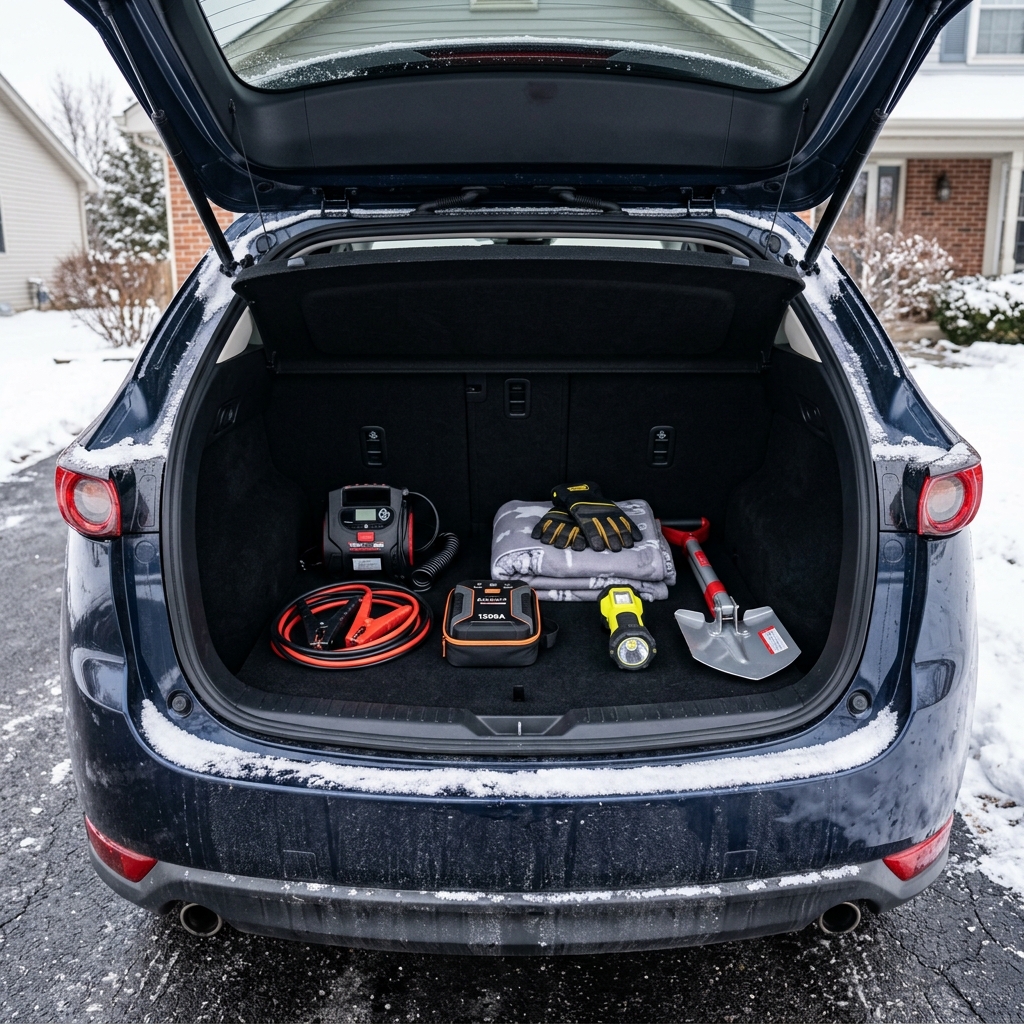
Trunk Emergency Essentials: Pack heavy blankets, thermal gloves, high-visibility flashlight, collapsible snow shovel, traction mats, non-perishable snacks, and fresh drinking water for unexpected winter delays.
Portable Power Tools: Keep a 12V portable tire inflator with a digital gauge in your trunk, along with a compact lithium jump starter power bank for emergency morning starting support.
Weekly Highway Checks: Routinely check cold tire inflation every Sunday morning and keep your windshield washer reservoir filled with sub-zero rated de-icing formula.
Schedule Your Winter Maintenance and Tire Service at Hawk Mazda in Plainfield
Don't let cold winter weather compromise your safety on Chicagoland roads. Whether you need an accurate cold tire pressure calibration, a battery health test, or a comprehensive seasonal safety inspection, Hawk Mazda in Plainfield is your trusted community resource.