
Demystifying Car Maintenance: Your Plain-Language Guide to What Keeps Your Vehicle Running Smoothly in Plainfield
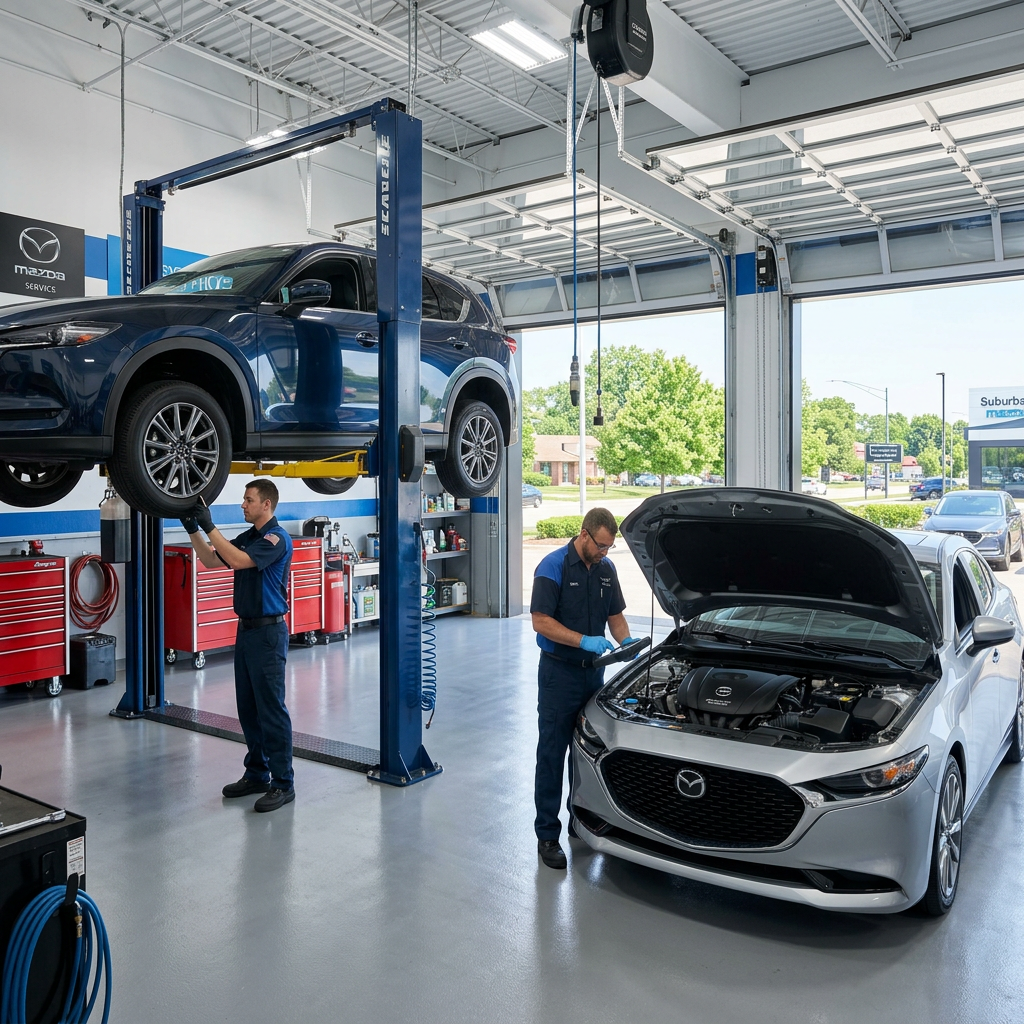
Two mechanics service a blue SUV on a hydraulic lift and a silver sedan with its hood open in a clean auto shop. (Representative image for illustration purposes only. Actual vehicle may vary based on trim and configuration.)

Let's face it: walking into an auto repair shop can feel a bit like landing in a foreign country where you don't speak a single word of the local language. You hear technicians and service advisors toss around complex terms like 'catalytic converter,' 'control arm bushings,' 'differential casing,' or 'evaporative emissions system,' and suddenly your stress levels begin to spike. The immediate worry isn't just about what might actually be wrong with your vehicle; it's the profound fear of the unknown and the intense anxiety of paying for a repair or service that you don't fully understand. At Hawk Mazda, we believe that car ownership shouldn't require a master's degree in mechanical engineering. That is exactly why we have created this transparent, easy-to-understand resource for drivers in Plainfield, Joliet, Naperville, and the surrounding northeastern Illinois communities. Our philosophy is simple: to pull back the curtain on automotive service and explain exactly what is happening beneath your hood in plain, jargon-free English. Your car is one of the most significant investments you will make in your lifetime, and keeping it running safely and smoothly should never be a source of constant stress or confusion. Whether you are driving a brand-new high-performance Mazda SUV or keeping a trusted older commuter vehicle running perfectly on your daily drives along Route 59, understanding the 'why' behind routine services empowers you to make smarter decisions, save money, and stay safe on the road. Throughout this comprehensive guide, we will break down the most common automotive services, explain how your vehicle works in terms that actually make sense, and highlight the practical benefits of keeping up with regular upkeep. Before we dive into the details, remember that you are never alone in keeping your vehicle in top shape. If you ever have a question or hear an unfamiliar noise, you can always Call us at (779) 260-6502 to speak with a friendly, knowledgeable service advisor. And when you are ready to experience a different, more transparent kind of car care, feel free to Schedule Your Service Today. Let's take the mystery out of car maintenance together, starting with the single most common and vital service your vehicle needs: the humble engine oil change.

What Does Engine Oil Actually Do for My Car on Daily Commutes?
If your vehicle's engine is the mechanical heart of your car, then engine oil is undoubtedly its lifeblood. But what does engine oil actually do once it disappears down the filler neck? To understand its role, let's demystify the technical jargon. Think of engine oil as an invisible, microscopic cushion. Inside your engine, thousands of metallic parts are moving at incredible speeds, rubbing past each other thousands of times every single minute. Without lubrication, this metal-on-metal contact would create extreme friction, producing enough intense heat to literally melt the components together, destroying your engine in a matter of minutes. Oil acts as a protective, slippery barrier, keeping these moving parts gliding smoothly past one another without wearing down. But engine oil's job goes far beyond simple lubrication, especially during stop-and-go driving on Route 59 or sitting in traffic near the local shopping centers. As your engine burns fuel, it naturally produces microscopic debris, soot, carbon, and tiny metal shavings. If left unchecked, this debris would act like sandpaper, wearing down your engine's internal components. Modern motor oil is formulated with advanced detergents that sweep up this dirt and hold it in suspension, carrying it away to the oil filter where it is trapped, keeping the interior of your engine incredibly clean. Furthermore, oil helps cool the engine by transferring heat away from the hottest zones of the combustion chamber. Over time, heat, friction, and dirt break down the oil, turning it from a golden, slippery fluid into a dark, gritty sludge. This is why regular oil changes are absolutely critical to maintaining your vehicle's performance and longevity.

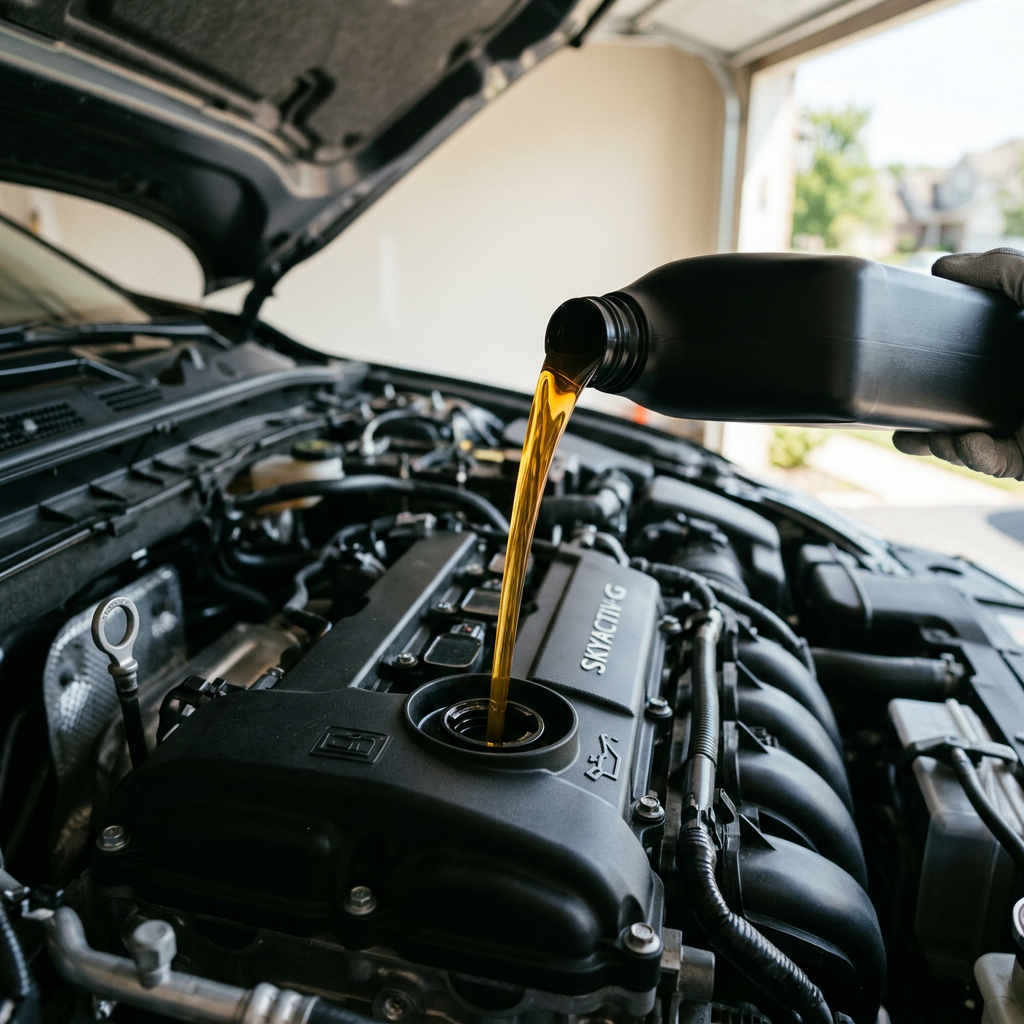
Golden engine oil being poured from a black bottle into a car engine during maintenance. (Representative image for illustration purposes only. Actual vehicle may vary based on trim and configuration.)

When you pull out your vehicle's dipstick, you want to see a clear, amber-colored fluid. If the oil looks completely black, thick, or smells burnt, it is long past its prime and is no longer providing that vital protective cushion. For drivers in the Plainfield area, local daily traffic and short trips prevent the engine from reaching its optimal operating temperature, which puts extra stress on the oil. Regular changes ensure your engine is always protected by fresh, high-performing fluid.

What is Included in a Basic Car Service at a Professional Shop?

Fluid Checks & Tires

A basic car service is the foundational block of vehicle health. The first major component is the comprehensive fluid check. Your vehicle relies on several specialized fluids to function safely and efficiently: windshield washer fluid, coolant, power steering fluid, transmission fluid, and brake fluid. During a standard visit, technicians don't just check the levels; they assess the quality of these fluids, ensuring they aren't contaminated. We also check and adjust your tire pressure. Correct tire pressure is critical because under-inflated tires drag on the road, lowering your fuel efficiency, while over-inflated tires reduce traction and cause uneven wear. Keeping your tires at the manufacturer's recommended PSI ensures a smoother, safer ride on Illinois highways.

Air Filter Inspection

The second phase of a basic service involves inspecting the air filters. Your car has two primary filters: the engine air filter and the cabin air filter. The engine air filter prevents dirt, dust, and road debris from entering your engine's combustion chambers. A clogged engine filter starves the engine of oxygen, hurting fuel economy and performance. The cabin air filter, on the other hand, cleans the air you breathe inside the vehicle, filtering out pollen, dust, and pollution. Over time, these filters become saturated with debris and must be replaced to maintain healthy air quality and optimal engine performance. Regular replacement is a simple, cost-effective way to preserve your driving experience.

Visual Walk-Around

Finally, a basic car service includes a thorough visual walk-around inspection. Our certified technicians act as detectives, looking for early warning signs of wear and tear before they escalate into major, expensive repairs. They inspect windshield wipers for tears, check exterior lights for burnt-out bulbs, scan for fluid leaks underneath the vehicle, and examine the exhaust system. This proactive inspection is designed to give you complete peace of mind, catching minor issues when they are quick and inexpensive to resolve. By keeping an eye on these details during every routine visit, you can avoid unexpected breakdowns and keep your car running reliably for years to come.

What Are Examples of Common Preventive Maintenance Services Your Car Needs?

Think of preventive maintenance as health insurance for your vehicle. Just as you eat well and visit the doctor for checkups to prevent future health issues, you perform routine tasks on your car to prevent major, catastrophic system failures down the road. Common examples of preventive maintenance include tire rotations, cabin air filter replacements, and coolant flushes. Tire rotations involve moving your tires from front to back and side to side in a specific pattern. Because the front tires carry the weight of the engine and handle the steering forces, they wear out much faster than the rear tires. Rotating them regularly ensures they wear down evenly, extending their lifespan and saving you hundreds of dollars on premature replacements. Another critical preventive service is a coolant flush. Coolant, or antifreeze, circulates through your engine to prevent it from overheating in the summer and freezing in the winter. Over time, coolant loses its chemical properties and becomes acidic, which can corrode the inside of your radiator and engine block. Flushing the old fluid and replacing it with fresh coolant prevents costly radiator leaks and catastrophic engine overheating, particularly during hot Illinois summers.

Other essential preventive tasks include replacing spark plugs, changing transmission fluid, and swapping out cabin air filters to keep your ventilation system clean. By investing a small amount of time and money into these routine checkups, you protect yourself from sudden, budget-breaking breakdowns. Hawk Mazda makes it incredibly easy to stay on top of these essential tasks with our convenient online tool. You can quickly use our scheduler to book your next checkup. Taking care of your vehicle today guarantees that it will take care of you tomorrow, preserving your safety and your car's resale value.

What Exactly Do Mechanics Look at During a Brake Inspection?
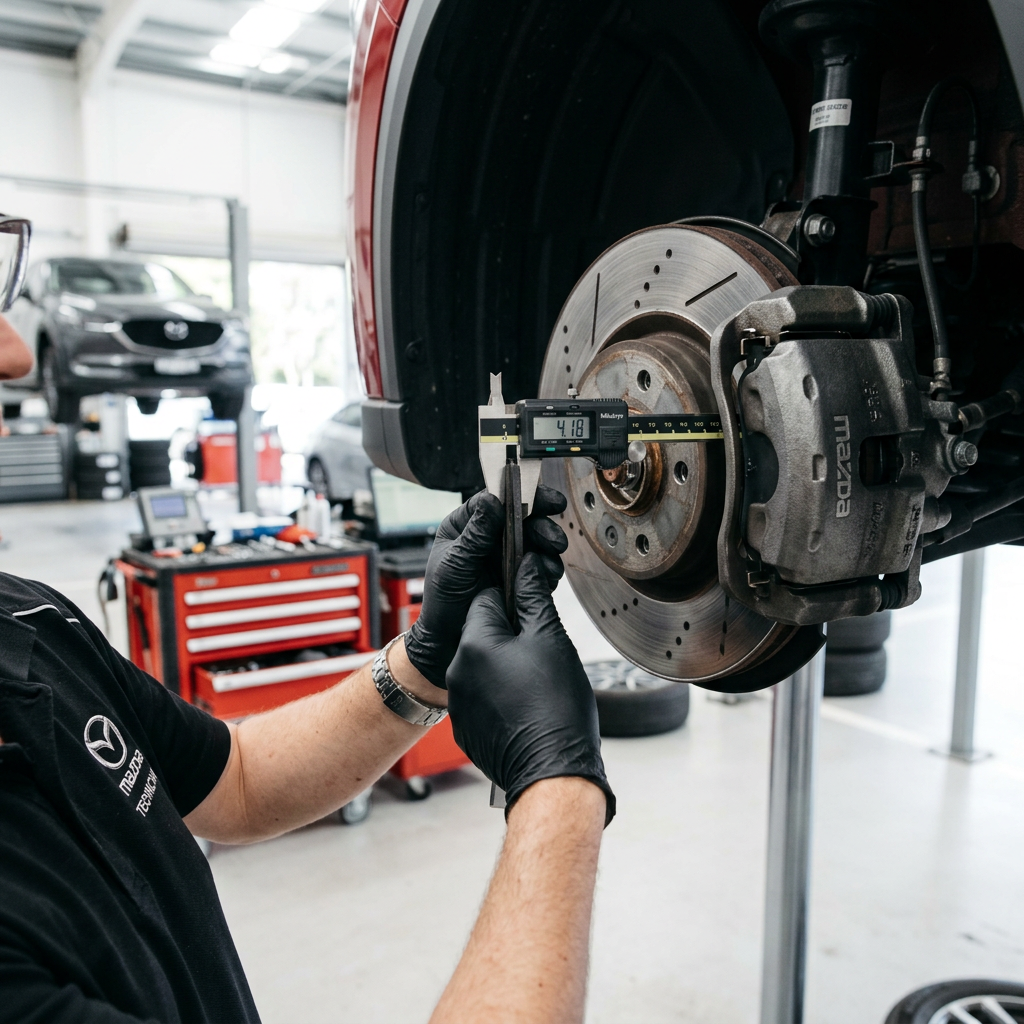
A Mazda mechanic uses a digital caliper to measure brake pad thickness on a car lift in a workshop. (Representative image for illustration purposes only. Actual vehicle may vary based on trim and configuration.)

When you step on the brake pedal, you expect your vehicle to come to a smooth, reliable stop, whether you're navigating a sudden slowdown on Route 59 or handling a slippery patch of black ice during a northeastern Illinois winter. But what actually happens during a brake inspection? Let's break down the process using simple analogies. The most critical component we check is the brake pad thickness. Think of brake pads like the soles of your shoes. Every time you walk, a tiny bit of the sole wears away. Similarly, every time you brake, a small layer of the pad's friction material wears down. We measure this thickness in millimeters; once the pads wear down to a certain level, they must be replaced before they damage other parts.

Next, our technicians inspect the brake rotors, which are the large, smooth metal discs that spin along with your wheels. When you press the brakes, the brake pads clamp onto these rotors to slow you down. We check the rotors for a smooth, flat surface. If the surface is grooved, warped, or rusted, it can cause steering wheel vibrations and reduced stopping power. We also inspect the calipers—the mechanical clamps that squeeze the pads against the rotors—to ensure they move freely and aren't leaking fluid. Finally, we test the moisture levels in your brake fluid. Brake fluid naturally absorbs moisture from the air over time. If too much water gets into the fluid, it can boil under the intense heat of braking, leading to a dangerous 'spongy' pedal feel and reduced stopping efficiency. Regular inspections ensure your stopping system is always ready for whatever the road throws your way.

What Are Examples of Typical Car Repair Services When Something Breaks?

Worn Alternator

It is important to understand the difference between routine maintenance and actual car repairs. Maintenance consists of predictable, scheduled tasks like oil changes, tire rotations, and fluid flushes designed to keep your vehicle running well. Repairs, on the other hand, occur when a component unexpectedly breaks, wears out completely, or fails to function. A classic example of a typical repair is replacing a worn-out alternator. The alternator is a small generator that charges your battery and powers your vehicle's electrical systems while the engine is running. If your alternator fails, your battery will quickly drain, leaving you stranded with a car that won't start.

Leaking Water Pump

Another common repair service is fixing a leaking water pump. The water pump is responsible for continuously circulating coolant throughout your engine to regulate its temperature. If the water pump's internal seals fail, coolant will begin to leak out, and the pump will lose its ability to move fluid. If you ignore a leaking water pump, your engine will quickly overheat, which can lead to severe and incredibly costly damage, such as a warped cylinder head or a blown head gasket. Replacing a leaking water pump early is essential to protecting your engine's structural integrity.

Damaged Wheel Bearing

Finally, many drivers in the Joliet area end up needing to swap out a damaged wheel bearing. Wheel bearings are the assemblies of steel balls or rollers that allow your wheels to spin smoothly with minimal friction. The deep potholes that often develop on local roads after winter can deliver a severe shock to your suspension, cracking or prematurely wearing out these bearings. A failing wheel bearing usually produces a loud, low-pitched humming or growling noise that gets louder as you accelerate. Replacing a damaged wheel bearing is critical for maintaining safe vehicle handling and preventing wheel detachment. If you are shopping for replacement vehicles or planning a budget, you can easily Get Your Trade-In Value to see what your current car is worth.

Which Maintenance Tasks Are Safest and Easiest to Perform at Home?
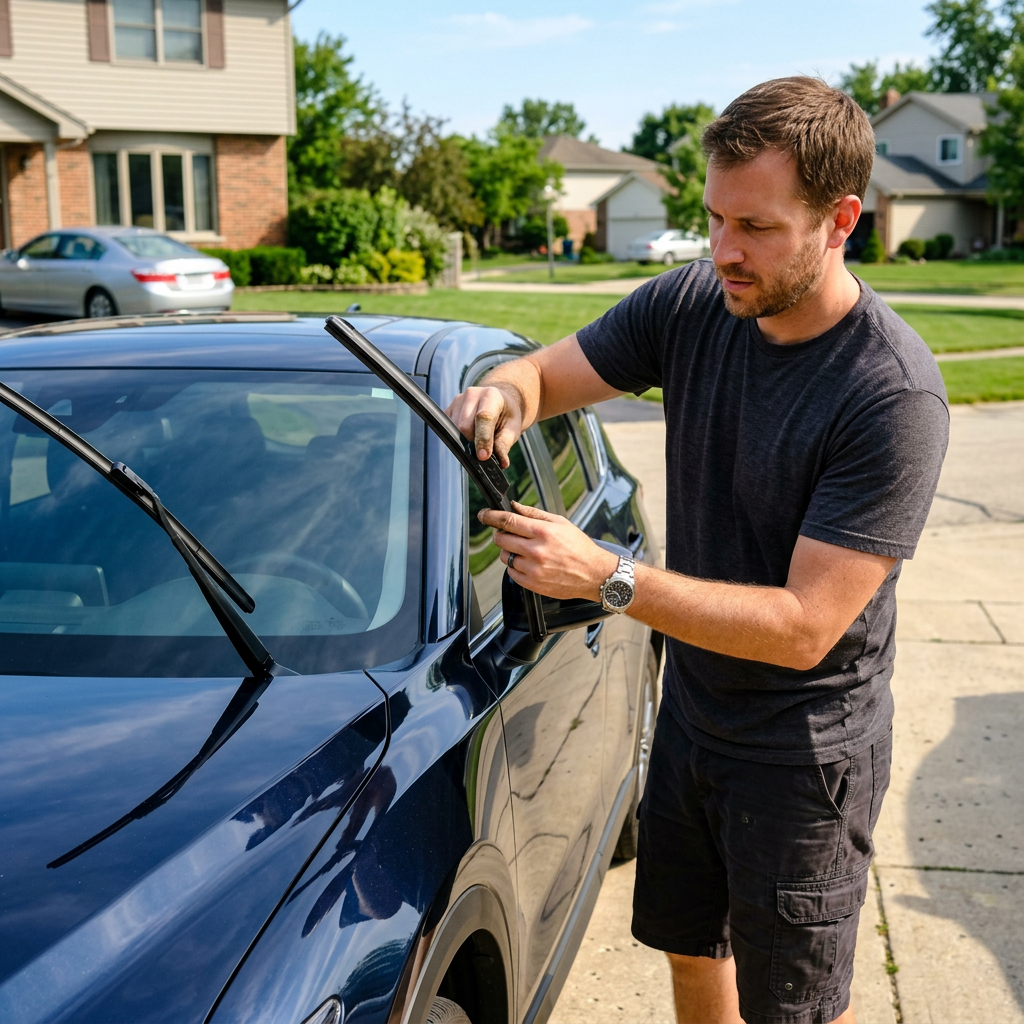
While modern vehicles are highly complex machines that often require specialized tools and diagnostic computers, there are still several simple, low-risk maintenance tasks that you can safely perform at home. Taking care of these small tasks yourself is a great way to build confidence, connect with your vehicle, and save a few dollars. The easiest task to start with is changing your windshield wiper blades. Over time, exposure to the sun, freezing temperatures, and road grime causes the rubber blades to crack, tear, and smear water across your windshield. Replacing them takes just a few minutes and requires no tools at all. Simply lift the wiper arm, press the small release tab, slide the old blade off, and click the new one into place. Another simple DIY task is checking your tire tread depth using the classic 'penny test.' Insert a penny upside down into several tire grooves with Lincoln's head facing you. If you can see the top of Lincoln's head, your tread depth is below 2/32 of an inch, meaning your tires are worn out and unsafe for wet or snowy roads. If Lincoln's head is partially covered, your tires still have some life left. You can also easily top off your windshield washer fluid by opening the hood, locating the reservoir with the windshield wiper symbol, and pouring in fluid until it reaches the fill line.

A man in a grey t-shirt replacing the windshield wiper blade on a dark blue car parked in a driveway. (Representative image for illustration purposes only. Actual vehicle may vary based on trim and configuration.)

Topping off your fluids or changing wiper blades is simple, but it's crucial to use the right materials. When doing any DIY tasks, we strongly recommend sourcing genuine OEM parts from Hawk Mazda's parts department. Unlike cheap, generic aftermarket parts found at big-box stores, genuine Mazda parts are designed and engineered specifically for your vehicle, guaranteeing a perfect fit and long-lasting performance. You can easily Order Genuine Mazda Parts online and pick them up at our Plainfield location to ensure your DIY projects are completed to the highest possible standard.

What Certifications Should You Look for When Choosing a Mechanic in the Joliet Area?

When it comes to choosing a repair shop in the Joliet and Plainfield area, not all mechanics are created equal. One of the most important things to look for is industry credentials, specifically ASE (Automotive Service Excellence) certifications. An ASE certification is a voluntary credential that mechanics earn by passing rigorous, specialized exams and demonstrating at least two years of hands-on work experience. To maintain their certified status, technicians must re-test every five years, ensuring they stay up-to-date with the latest automotive technologies. When you see the blue ASE seal on a shop's wall or a technician's uniform, it means you are leaving your vehicle in the hands of a proven professional who has demonstrated a high level of technical competence. In addition to ASE certifications, look for manufacturer-specific credentials, such as Mazda Certified Technicians. These professionals undergo extensive, ongoing training directly from the manufacturer. They learn the exact engineering, wiring schematics, and mechanical nuances of Mazda vehicles, making them absolute experts in diagnosing and repairing these specific models. They also have exclusive access to proprietary diagnostic software and specialized tools that independent shops simply don't have. For you, the consumer, these certifications translate to guaranteed expertise, faster and more accurate diagnostics, and complete protection for your vehicle's warranty. At Hawk Mazda, our service center is staffed by highly certified professionals who understand your vehicle inside and out, ensuring every repair is done right the first time. If you are considering purchasing a new vehicle, you can Browse New Mazda Inventory online to see our latest models featuring cutting-edge engineering and technology.

How Northeastern Illinois Weather and Road Conditions Affect Your Service Interval

Here in northeastern Illinois, our vehicles are subjected to some of the harshest driving conditions in the country. Our freezing winter temperatures, humid summers, and heavy use of road salt create a challenging environment for every mechanical system in your car. Many drivers don't realize that standard vehicle maintenance intervals—the ones listed in your owner's manual under 'normal driving conditions'—frequently don't apply to us. In fact, due to our local climate, most vehicles driven in Plainfield, Joliet, and Naperville actually qualify for the 'severe driving conditions' maintenance schedule, which requires more frequent fluid and filter changes to keep your vehicle protected.

In the winter, extreme cold thickens motor oil, making it harder for the engine to circulate fluid during startup, while road salt acts as a highly corrosive agent that attacks your suspension, brake lines, and undercarriage. In the summer, intense humidity and high temperatures place extra stress on your cooling system and battery, causing fluids to break down more rapidly. Stop-and-go commuting on Route 59 and short trips in freezing weather further accelerate this wear. To protect your investment, we recommend following a severe-weather maintenance schedule, which includes more frequent oil changes, brake inspections, and regular undercarriage washes to rinse away destructive road salt.

Plain-Language Warning Signs Your Vehicle Needs Immediate Professional Attention
Brake Sounds & Feel

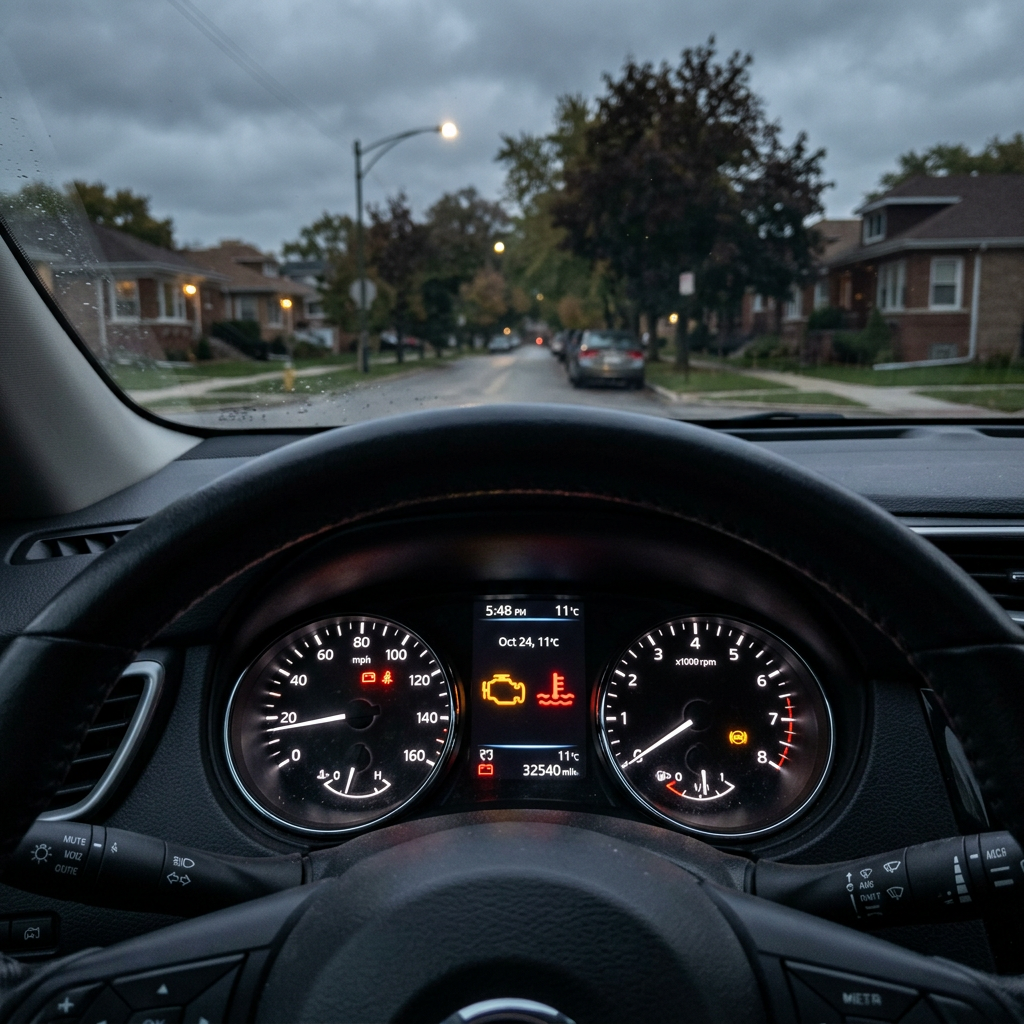
Your vehicle has its own way of communicating when something is wrong, and learning to read these plain-language warning signs can save you from a catastrophic breakdown and an incredibly expensive repair bill. The most common warning signs occur when you step on the brakes. If you hear a high-pitched squealing or a harsh, metallic grinding noise when stopping, your brake pads have worn down completely and are rubbing metal-on-metal against the rotors. Another major red flag is a 'spongy' or soft brake pedal that sinks easily to the floorboard, which indicates a dangerous leak in your brake lines or moisture contamination in your brake fluid.

Steering Vibrations

Your steering wheel is another highly sensitive communicator. If you feel a strange vibration, shaking, or shimmying in the steering wheel while driving at highway speeds, your tires may be out of balance, your wheels may be misaligned, or a suspension component could be worn out. If your vehicle pulls strongly to one side when you let go of the steering wheel on a flat road, it is a clear sign that your alignment is off. Ignoring alignment issues causes your tires to wear down incredibly fast and unevenly, forcing you to purchase expensive replacements much sooner than necessary.

Puddles & Leaks

Finally, pay close attention to what you smell and see under your vehicle. If you notice a sweet-smelling, bright green, pink, or orange puddle under your engine bay after parking, your vehicle is leaking coolant. Coolant leaks must be addressed immediately to prevent engine overheating. If you notice a dark, greasy puddle, it is a sign of an engine oil or transmission fluid leak. If you experience any of these symptoms, please don't wait. You can easily Browse Used Vehicle Inventory to find a reliable replacement, or better yet, schedule a professional checkup to get your trusted vehicle repaired before a minor issue becomes a major crisis.

Driver's perspective of a car dashboard showing a check engine light and high temperature warning on a cloudy evening. (Representative image for illustration purposes only. Actual vehicle may vary based on trim and configuration.)

How to Keep Your Car Maintenance Budget Predictable and Stress-Free

Keeping your vehicle's maintenance budget predictable and completely stress-free is all about shifting your mindset from reactive to proactive. Many drivers wait until something breaks before visiting a repair shop, resulting in sudden, massive bills that disrupt their monthly finances. By following a regular, scheduled maintenance plan, you spread out your automotive costs into small, manageable increments throughout the year. Routine tasks like oil changes, tire rotations, and air filter replacements are highly affordable and prevent the severe wear and tear that leads to multi-thousand-dollar engine or transmission failures. Think of routine maintenance as a small, predictable monthly investment that protects you from sudden financial emergencies.

At Hawk Mazda, we are committed to making vehicle upkeep as affordable and stress-free as possible. We offer a variety of helpful dealer resources, including rotating online service specials and coupons that help you save money on common services like oil changes, alignments, and brake repairs. For larger, unexpected repairs, we also provide flexible service financing plans that allow you to split your payments into affordable monthly installments, ensuring you never have to delay critical safety repairs due to budget constraints. By combining a proactive maintenance schedule with our helpful financial resources, you can keep your vehicle running perfectly without breaking the bank.

Ready to Experience Transparent, Plain-Language Auto Service at Hawk Mazda?
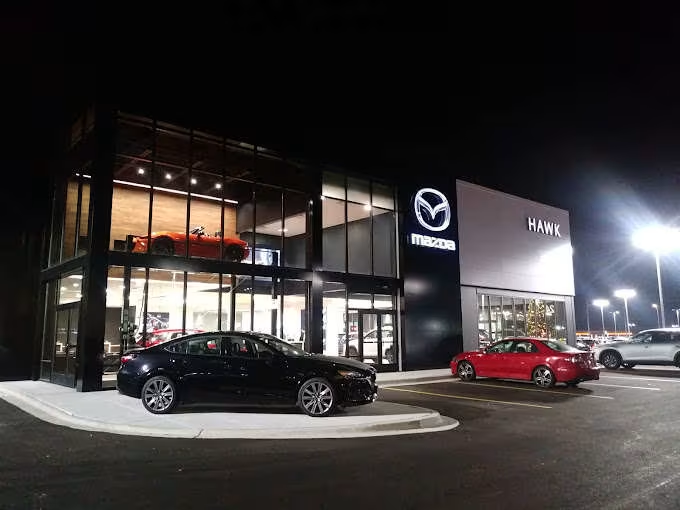
A Hawk Mazda dealership at night with cars on display in the showroom and parking lot.

At Hawk Mazda, we believe that auto care should be built on a foundation of trust, transparency, and clear, jargon-free communication. Our certified team of experts is dedicated to explaining every recommendation in plain language, showing you exactly what your vehicle needs and why, so you can make informed decisions with absolute confidence. We are proud to serve as a trusted community resource for drivers throughout Plainfield, Joliet, and Naperville, offering a state-of-the-art service center, convenient online scheduling, and a welcoming environment. Whether you need a quick, routine oil change, a comprehensive brake inspection, or advanced diagnostic repairs, our factory-trained technicians are here to provide the highest level of care. We invite you to experience auto service the way it should be—straightforward, professional, and completely stress-free. Get Directions to Hawk Mazda today to visit our beautiful facility in Plainfield, or take a moment to Schedule Your Service Today. We look forward to partnering with you to keep your vehicle running smoothly, safely, and reliably for miles to come.


Subscribe to Our Blog

Popular Tags

Technology