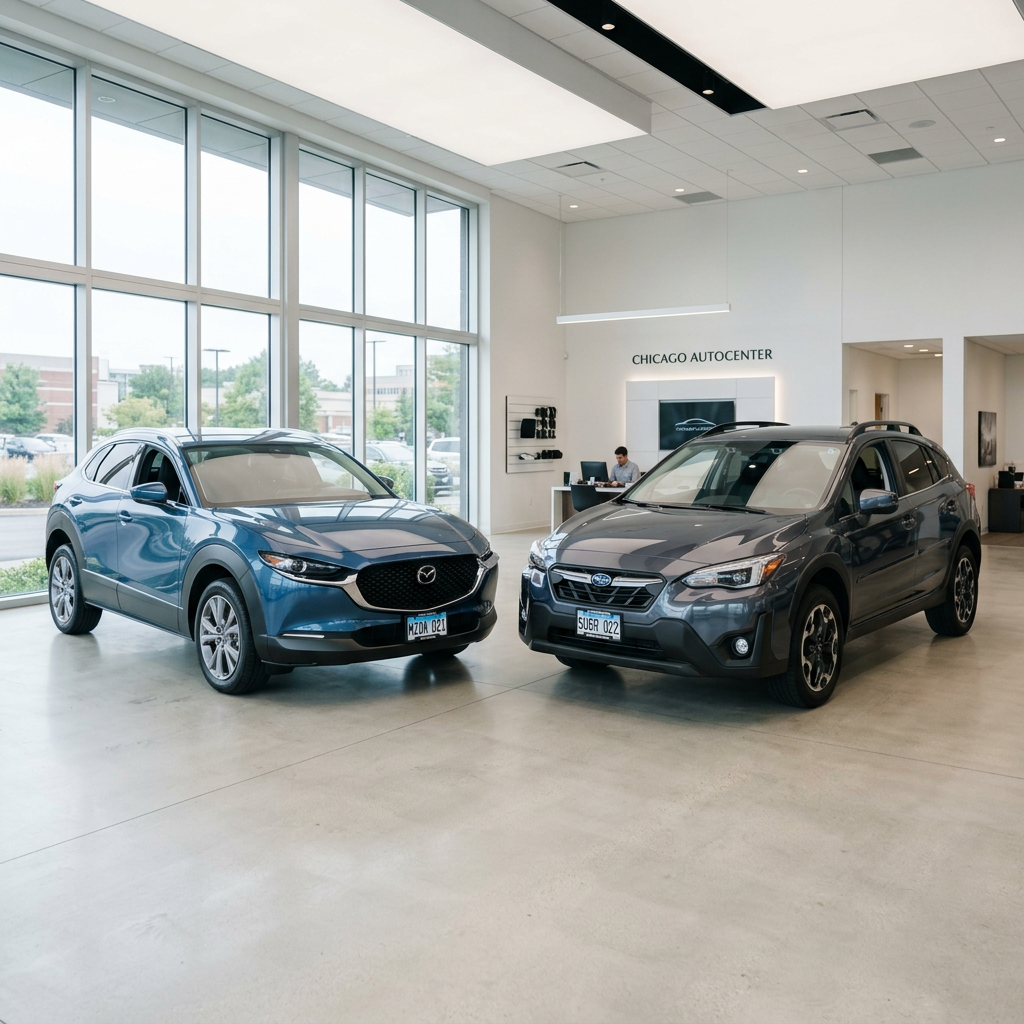
Compare Your Most-Shopped Models Head to Head: A Plainfield Buyer's Guide
Shopping for a new vehicle in the Plainfield and Naperville areas can quickly transform from an exciting milestone into an overwhelming research project. As you click through dozens of browser tabs, comparing engine specs, safety ratings, cargo dimensions, and technology suites, the data begins to blur. Every manufacturer claims their crossover, SUV, or sedan is the class leader, leaving you to untangle the marketing jargon from real-world utility. This comprehensive, expert-driven guide is designed to cut through the noise, giving you the exact framework needed to stack your top-shopped vehicles head-to-head with confidence.
At Hawk Mazda, we believe a more informed buyer is a happier owner. Whether you are navigating the bustling corridors of Route 59, commuting daily on Interstate 55, or packing up the family for a weekend getaway to the scenic DuPage River trails, your vehicle needs to fit your precise lifestyle. In this guide, we will break down how to accurately compare safety credentials, decode complicated interior measurements, demystify modern engine and transmission technologies, and avoid common cross-shopping pitfalls. Let us dive deep into the details so you can make an educated choice that you will love for years to come.
If you are ready to see how these engineering philosophies translate to the open road, we invite you to Browse New Mazda Inventory or explore our premium pre-owned selection by clicking here to Browse Used Vehicle Inventory. If you have questions about specific dimensions or wish to arrange a back-to-back comparison drive, you can Call us at (779) 260-6502 to speak with one of our product specialists.
How Do You Compare Car Safety Ratings When Shopping Between Different Models?
When comparing two or three vehicles, safety is almost always at the top of the priority list, especially for family buyers in northern Illinois. However, looking simply at a single aggregated score rarely tells the whole story. To truly compare safety profiles, you must look at three distinct pillars: passive crashworthiness (how the vehicle protects occupants during an impact), active crash prevention (how the vehicle avoids collisions entirely), and post-crash safety features (such as automatic emergency notifications).
For those navigating heavy traffic along Route 59 or dealing with unpredictable winter weather on local expressways, side-impact protection and rear-passenger safety have become critical points of distinction. Many older or less-advanced vehicle platforms struggle with updated, higher-velocity side-impact tests designed to simulate being struck by a modern, heavy electric vehicle or midsize SUV. When you compare models, look beyond the primary badge and examine the granular test results for rear occupant chest protection and driver pelvis protection, which often reveal the engineering differences between competing brands.
Another crucial aspect of comparing safety ratings is evaluating the standard equipment versus optional packages. Some automakers hide their most advanced driver-assist suites behind high-tier trim levels or expensive technology packages, while others make them standard across the entire lineup. If you are comparing a base model of one brand to a mid-tier model of another, you may find a significant gap in active safety layers.
We recommend creating a checklist of non-negotiable safety features, such as blind-spot monitoring, rear cross-traffic alert, and pedestrian detection. This ensures you are comparing equivalent levels of protection rather than assuming all modern vehicles are equally equipped. At Hawk Mazda, we are proud to showcase vehicles engineered with a holistic approach to occupant safety, designed to provide peace of mind in every driving scenario.
What is the Difference Between NHTSA and IIHS Safety Crash Tests?
To build a true head-to-head safety comparison, you must understand the two primary organizations that evaluate vehicle safety in the United States: the National Highway Traffic Safety Administration (NHTSA) and the Insurance Institute for Highway Safety (IIHS). While both perform invaluable crash testing, their methodologies, test speeds, and rating scales are distinctly different. Relying on just one source can result in an incomplete safety profile of your prospective vehicles.
NHTSA Government Ratings
The NHTSA is a federal government agency that uses a straightforward 1-to-5 star rating system. Their primary evaluations include frontal crash tests, side barrier tests, side pole impacts, and rollover resistance calculations. NHTSA tests focus heavily on structural integrity and basic dummy metrics during direct, traditional collision angles. Because the 5-star rating has become common among modern vehicles, it serves as an excellent baseline but may not highlight the subtle differences in advanced engineering that newer tests reveal.
IIHS Insurance Standards
The IIHS is an independent, non-profit scientific organization funded by auto insurers. They grade vehicles on a scale of Poor, Marginal, Acceptable, and Good. The IIHS is famous for its rigorous 'small overlap' frontal tests, which simulate hitting a tree or light pole with just the corner of the bumper. Because they continuously update their testing protocols to reflect real-world accident data, earning their prestigious 'Top Safety Pick' or 'Top Safety Pick+' award is widely considered a more difficult and telling achievement.
Headlight & Pedestrian Tests
A major differentiator in modern IIHS testing is headlight performance and pedestrian crash prevention. Many vehicles with perfect structural crash scores miss out on top awards because their headlights do not illuminate curves adequately or create excessive glare for oncoming drivers. When comparing models, check the IIHS breakdown for headlight performance by trim level, as headlights are crucial for safe nighttime driving on unlit suburban roads and rural Illinois highways.
How Do Active Safety Features Impact Overall Safety Ratings?
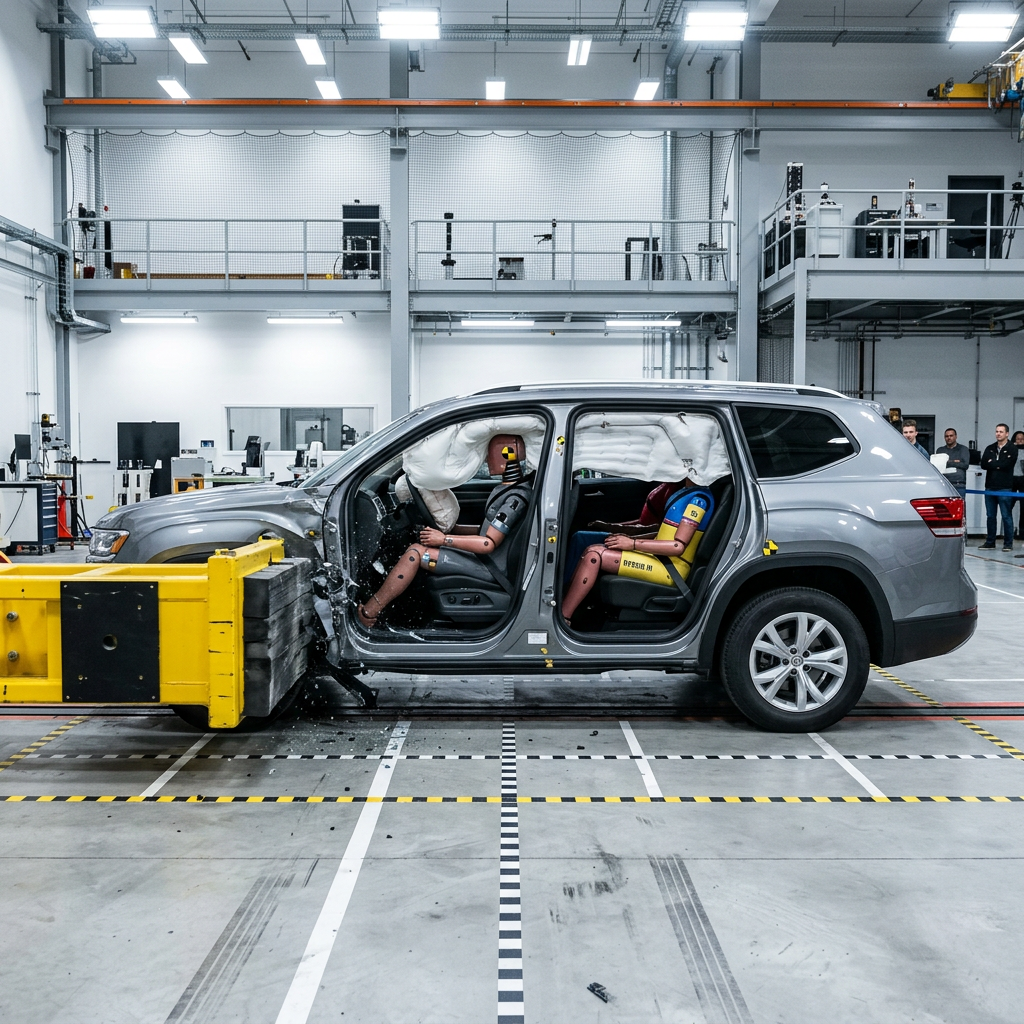
Passive safety systems like crumple zones, high-strength steel cages, and advanced airbags are designed to protect you during an accident. However, active safety features—often grouped into Advanced Driver Assistance Systems (ADAS)—are engineered to prevent the accident from happening in the first place. Today, testing agencies place immense weight on these active technologies, making them a deciding factor in overall safety scores and ratings.
Features like Automatic Emergency Braking (AEB) with pedestrian detection, lane-keep assist, and blind-spot monitoring are rigorously evaluated. For example, to earn a Top Safety Pick+ rating from the IIHS, a vehicle must feature an active front crash prevention system that earns an advanced or superior rating in both vehicle-to-vehicle and vehicle-to-pedestrian daytime and nighttime tests. This means the onboard cameras and radar must successfully detect objects and apply the brakes autonomously at highway speeds.
When comparing your favorite models, it is vital to research how these systems behave in real-world scenarios. Some systems are overly sensitive, causing frequent false alarms that frustrate drivers into turning them off. Others operate smoothly and intuitively in the background. Look for vehicles that feature sophisticated calibration, offering natural-feeling steering corrections and progressive, confidence-inspiring braking assistance during daily driving.
To experience how modern driver-assist suites perform during a test drive, you can explore our latest models. Visit our showroom or get started online by checking out our current inventory. If you are planning a purchase, you can save time at the dealership and Apply For Financing Now through our secure online portal.
Are Safety Ratings Comparable Across Vehicles of Different Sizes?
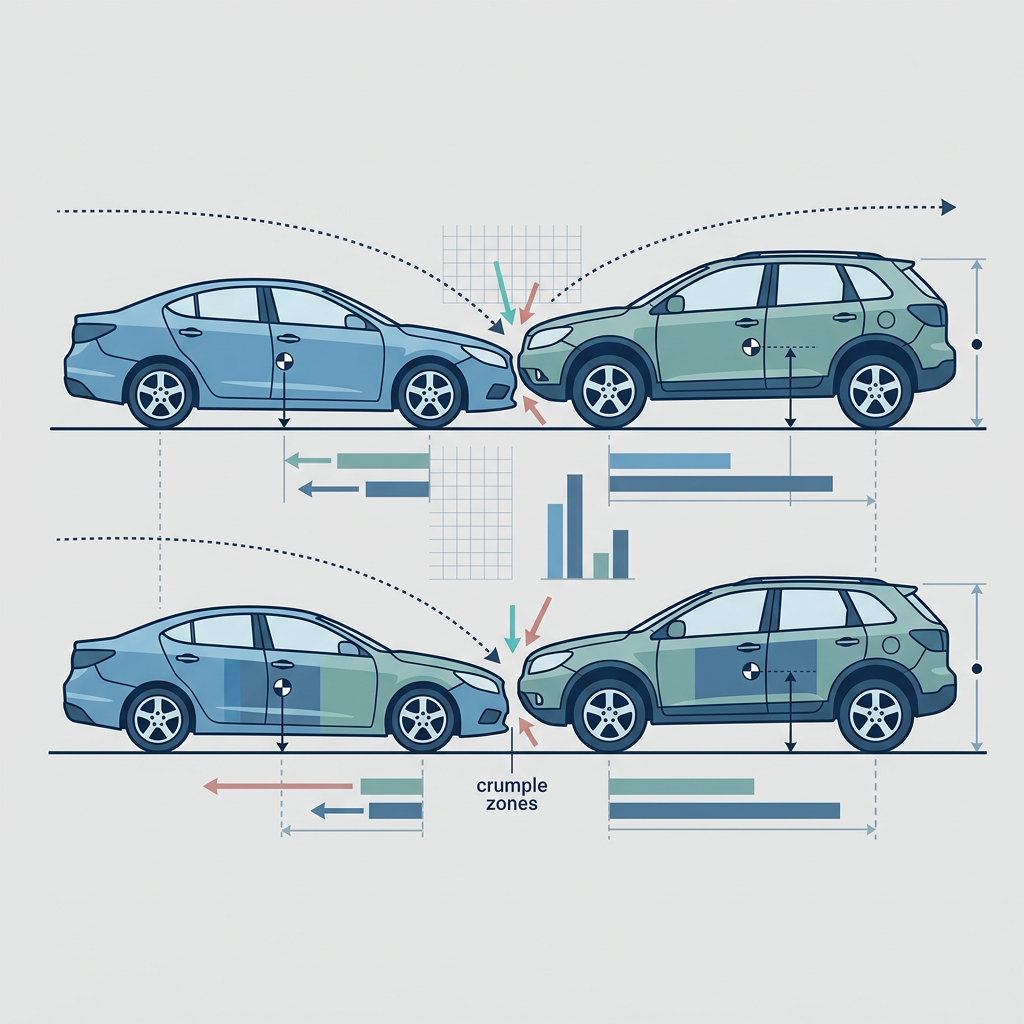
One of the most common and dangerous misconceptions when cross-shopping is assuming that safety ratings are universal across all vehicle classes. A five-star rating on a subcompact sedan does not mean it offers the same level of crash protection as a five-star rating on a midsize three-row SUV. The laws of physics dictate that in a collision between two vehicles of unequal weight and size, the heavier and larger vehicle almost always fares better, absorbing less crash energy and transferring less force to its occupants.
Crash test ratings from both the NHTSA and IIHS are relative only to other vehicles in the same weight class. Frontal crash barrier tests simulate two identical vehicles colliding head-on. Therefore, a compact car's rating only tells you how well it protects you compared to other compact cars. If you are trying to decide between a fuel-efficient compact hatchback and a slightly larger crossover for your daily commute, you must factor in the physical protection of the crossover's taller ride height, longer crumple zones, and greater mass, particularly in multi-vehicle collisions on high-speed Illinois expressways.
For families shopping in the Plainfield area, this means prioritizing vehicles built on robust platforms designed to manage crash energy effectively, regardless of size. Modern vehicle architecture uses ultra-high-tensile steel in critical areas like the A-pillars, B-pillars, and door beams to prevent cabin intrusion. When comparing models across different sizes, pay close attention to the vehicle's curb weight and structural engineering rather than relying solely on the star rating on the window sticker.
How Do I Check if a Vehicle Model Has Any Active Safety Recalls?
Safety is an ongoing aspect of vehicle ownership, and checking for outstanding factory recalls is a critical step in the pre-purchase process—especially when shopping for pre-owned vehicles. Manufacturers issue recalls when a component fails to meet safety standards, and getting these resolved is paramount for your safety on the road. Fortunately, checking a vehicle's recall history is simple, transparent, and entirely free.
To check for active recalls, you need the vehicle's unique 17-character Vehicle Identification Number (VIN), which can be found on the driver's side dashboard near the windshield or on the driver's side door jamb sticker. You can input this number directly into the NHTSA recall lookup tool online. This database will instantly show you any open recalls from the last 15 calendar years that have not yet been repaired on that specific vehicle.
At Hawk Mazda, we take the guesswork out of pre-owned shopping. Every pre-owned vehicle in our inventory undergoes a rigorous multi-point inspection before it ever reaches our sales lot. Our factory-trained technicians run a comprehensive VIN check to identify and resolve any active safety recalls using genuine manufacturer parts, ensuring your new-to-you vehicle is completely safe and road-ready.
Which Cargo Dimensions Should Be Compared When Shopping for a Family SUV?
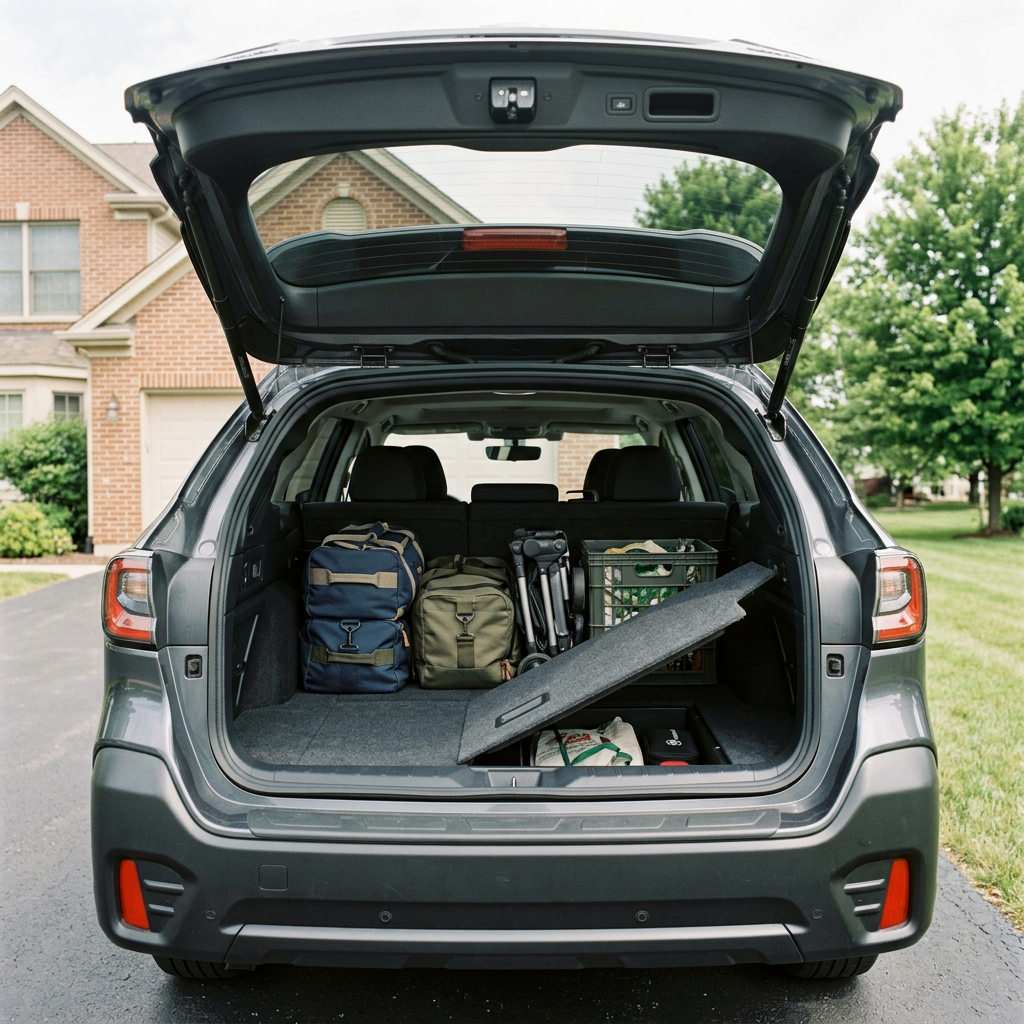
When comparing family SUVs, most buyers look straight at the total cubic feet of cargo volume listed on the spec sheet. However, total volume can be highly misleading. A vehicle with a high cubic-foot rating might have a shape that is awkward or impractical for daily chores, sports gear, or luggage. To understand real-world utility, you must compare three key physical dimensions: length, width between wheel wells, and hatch opening height.
Cargo Floor Length
Cargo floor length measures the distance from the closed rear tailgate to the back of the second-row seats (or first-row seats when folded). This is the most critical dimension for hauling long items like strollers, golf bags, camping gear, or hardware store materials. A longer floor means you can load items flat without having to angle them diagonally or fold down passenger seats, keeping your cabin organized and comfortable for everyone on board.
Width Between Wheel Wells
Many SUVs have wide cargo areas that narrow significantly between the rear suspension housing (the wheel wells). When comparing models, look for the 'minimum cargo width' rather than the maximum width. If the space between the wheel wells is narrow, you will struggle to load wide, flat items like large coolers, pet crates, or building materials, regardless of how much total cubic volume the manufacturer advertises.
Hatch Height & Opening
The height of the tailgate opening and the liftover height (how high you must lift an item from the ground to clear the bumper) dictate how easy it is to load heavy objects. A lower liftover height saves your back during grocery runs or when loading heavy gear for a trip to the DuPage River trails. Additionally, a wide, square hatch opening is far more usable than a rounded, stylish opening that cuts into the upper corners of your cargo space.
Why Do Manufacturer Cargo Volume Measurements Sometimes Differ from Real-World Space?
It is common to compare two vehicles on paper and notice that one has significantly more 'official' cargo volume, only to find during a physical inspection that the vehicle with the smaller rating actually feels more spacious and practical. This discrepancy occurs because of the diverse measuring standards utilized by manufacturers, primarily those set by the Society of Automotive Engineers (SAE).
Automakers use different SAE protocols to calculate volume. Some fill the cargo area with standardized block sizes and count how many fit, while others calculate volume mathematically based on the raw dimensions of the space. This means enclosed storage areas, under-floor compartments, and even the space inside the side panels can be included in the official cubic-foot number, even though you cannot use that space for a large suitcase or box.
Furthermore, the slope of the rear glass and the angle of the second-row seatbacks play a massive role in real-world loading. A vehicle with an aggressively sloped, coupe-like rear roofline may boast a large cargo volume rating based on floor area, but you will find it impossible to load tall, boxy items without folding down the seats. A boxier SUV design might have a slightly lower official volume rating but offer far more practical, stackable space.
When comparing vehicles, we always recommend bringing a tape measure or testing the cargo area with a common item, like a stroller or a set of suitcases. This hands-on comparison is the only way to ensure the vehicle's space matches your lifestyle. At Hawk Mazda, we encourage you to bring your gear along to test out the rear cargo compartments of our vehicles firsthand.
What is the Difference Between Passenger Volume and Cargo Volume?
When manufacturers design a vehicle's interior, they work within a fixed footprint. Every inch allocated to the passenger cabin is an inch taken away from the rear cargo hold. Understanding how this balance is managed is crucial when comparing vehicles, as it directly impacts your daily comfort and utility. Total interior volume is simply the sum of passenger volume and cargo volume.
Passenger Volume
Passenger volume is the total space dedicated to the occupants across all rows. It is broken down into specific dimensions: headroom, legroom, shoulder room, and hip room. A vehicle with exceptional passenger volume might prioritize rear-seat legroom, making it incredibly comfortable for carpooling teenagers or adults. However, if that space is gained by sliding the rear seats backward, the cargo area behind those seats will be significantly reduced.
Cargo Volume
Cargo volume is the space behind the rearmost seats up to the roofline. In midsize and three-row SUVs, you will see multiple cargo volume ratings: behind the third row, behind the second row, and behind the first row with all rear seats folded flat. When comparing models, focus on the configuration you will use most often. If you plan to keep the third row up daily, a vehicle's cargo space with all seats folded is less important than its limited trunk space when fully loaded with passengers.
Finding Your Balance
To find the perfect balance, consider your daily routine in the Plainfield and Naperville areas. If your vehicle primarily serves as a family shuttle, maximizing rear legroom and hip room (for car seats) is paramount. If you frequently take road trips, haul sporting equipment, or transport large pets, you may want to trade some passenger space for a larger, more versatile cargo bay. Many modern SUVs feature sliding and reclining second-row seats, offering the flexibility to adjust this balance on the fly.
Do Hybrid Models Lose Cargo Space Compared to Their Gas Counterparts?
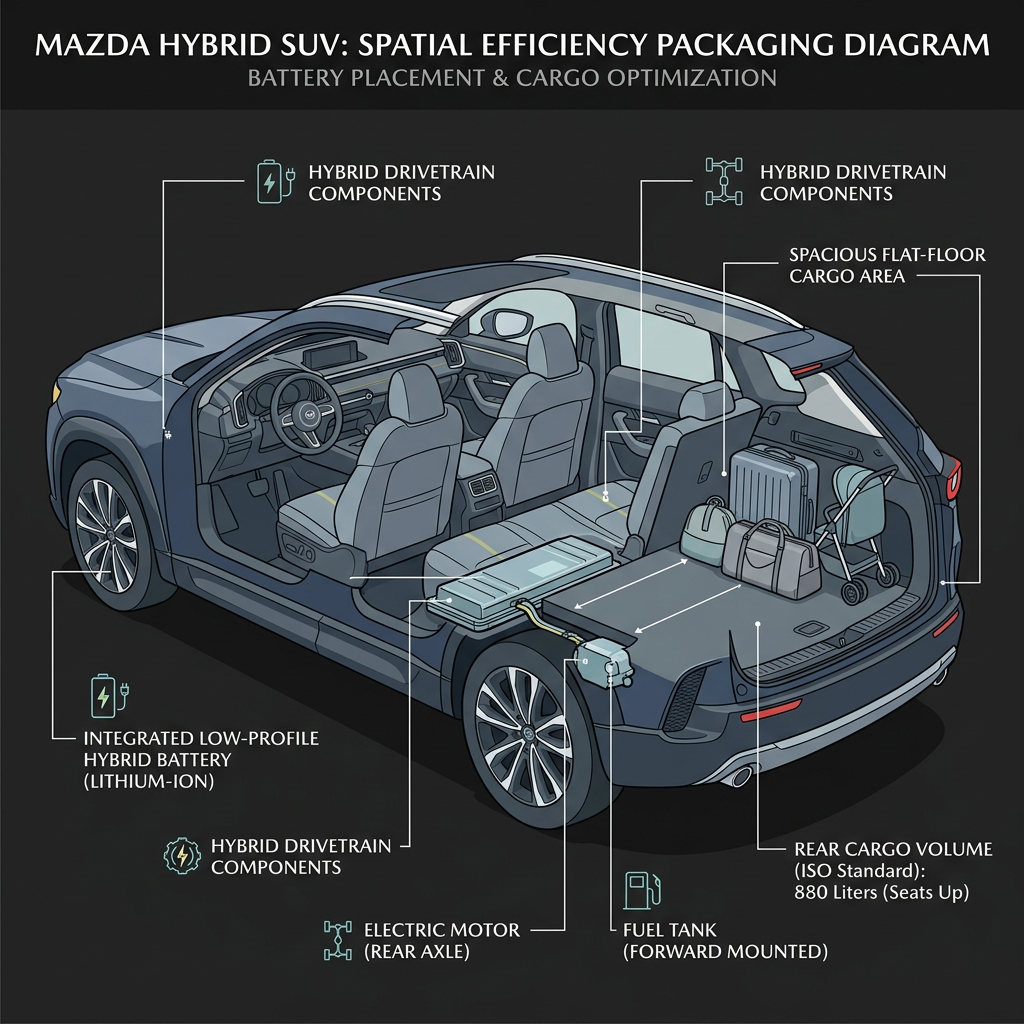
As hybrid and plug-in hybrid (PHEV) powertrains become increasingly popular, many buyers worry about potential compromises in interior space. Because hybrid vehicles require a high-voltage battery pack in addition to a traditional gas engine and fuel tank, engineers must find a place to package these components without sacrificing cabin comfort or cargo capacity.
In early hybrid designs, battery packs were often placed directly in the trunk, significantly reducing cargo volume and preventing the rear seats from folding flat. Fortunately, modern vehicle architecture has evolved. Today, engineers typically place the battery pack low beneath the rear passenger seats or under the cargo floor. In most modern crossovers and SUVs, this clever packaging results in zero loss of passenger legroom or primary cargo space.
However, subtle differences can still exist. In some hybrid models, the space beneath the cargo floor—where a spare tire or extra storage compartments would normally reside—is occupied by electrical components or the battery. This may mean the hybrid variant lacks a physical spare tire, replacing it with a tire repair kit, or features a slightly shallower under-floor storage tray compared to the non-hybrid model.
When comparing hybrid and gas versions of the same model, check the specifications for 'under-floor storage' and spare tire availability. If you are interested in exploring the efficiency and packaging of modern electrified models, we invite you to view our inventory and get in touch with our team. You can easily start the process and Get Your Trade-In Value online to see how much your current car is worth toward an upgrade.
Does a Panoramic Sunroof Reduce the Vehicle's Headroom Dimensions?
A panoramic sunroof is one of the most popular luxury features on modern SUVs, flooding the cabin with natural light and creating a more open, airy atmosphere. However, this aesthetic upgrade comes with a physical cost that taller drivers and passengers must carefully consider. A glass roof requires mechanical housing, motors, and structural reinforcement that can significantly impact the vehicle's headroom dimensions.
The Mechanical Housing
A standard solid roof is thin, requiring only structural crossmembers and a headliner. In contrast, a panoramic sunroof consists of thick glass panels, a motorized track system, drainage channels, and a retractable fabric sunshade. To accommodate these moving parts, the interior headliner must be lowered, typically shaving between 1 to 2 inches off the vehicle's official headroom specifications in both the front and rear seats.
Decoding the Specs
When comparing specifications online, manufacturers will often list two different headroom measurements: 'with sunroof' and 'without sunroof.' If you are looking at a base trim that lacks a sunroof versus a top-tier trim that includes it as standard equipment, make sure you are comparing the correct numbers. A model that seems to have class-leading headroom on paper may actually feel cramped once equipped with a panoramic glass roof.
Impact on Tall Drivers
For drivers over six feet tall, this loss of headroom can affect comfort and driving posture. It can also reduce the clearance needed for a safe driving position, bringing the headliner uncomfortably close to the driver's head. When cross-shopping, it is highly recommended to sit in vehicles with and without the sunroof to experience the difference firsthand and ensure the cabin space matches your personal comfort requirements.
Turbocharged 4-Cylinders vs. Naturally Aspirated V6s: How Do Engine Options Compare?
The automotive industry has undergone a massive shift in engine design. Traditional, naturally aspirated V6 engines are rapidly being replaced by smaller, turbocharged four-cylinder engines. When comparing vehicles from different brands, you will often find yourself choosing between these two distinct engineering philosophies. Understanding how they deliver power and efficiency is key to choosing the right powertrain for your driving style.
A naturally aspirated V6 engine relies on larger engine displacement to draw in air and fuel. This design is known for smooth, linear power delivery. As you press the gas pedal, the engine's power builds predictably and consistently up to its redline. V6 engines also tend to produce a pleasing, refined sound and have a reputation for long-term simplicity. However, they must rev higher to reach their peak horsepower and torque, which can make them feel less responsive during initial acceleration.
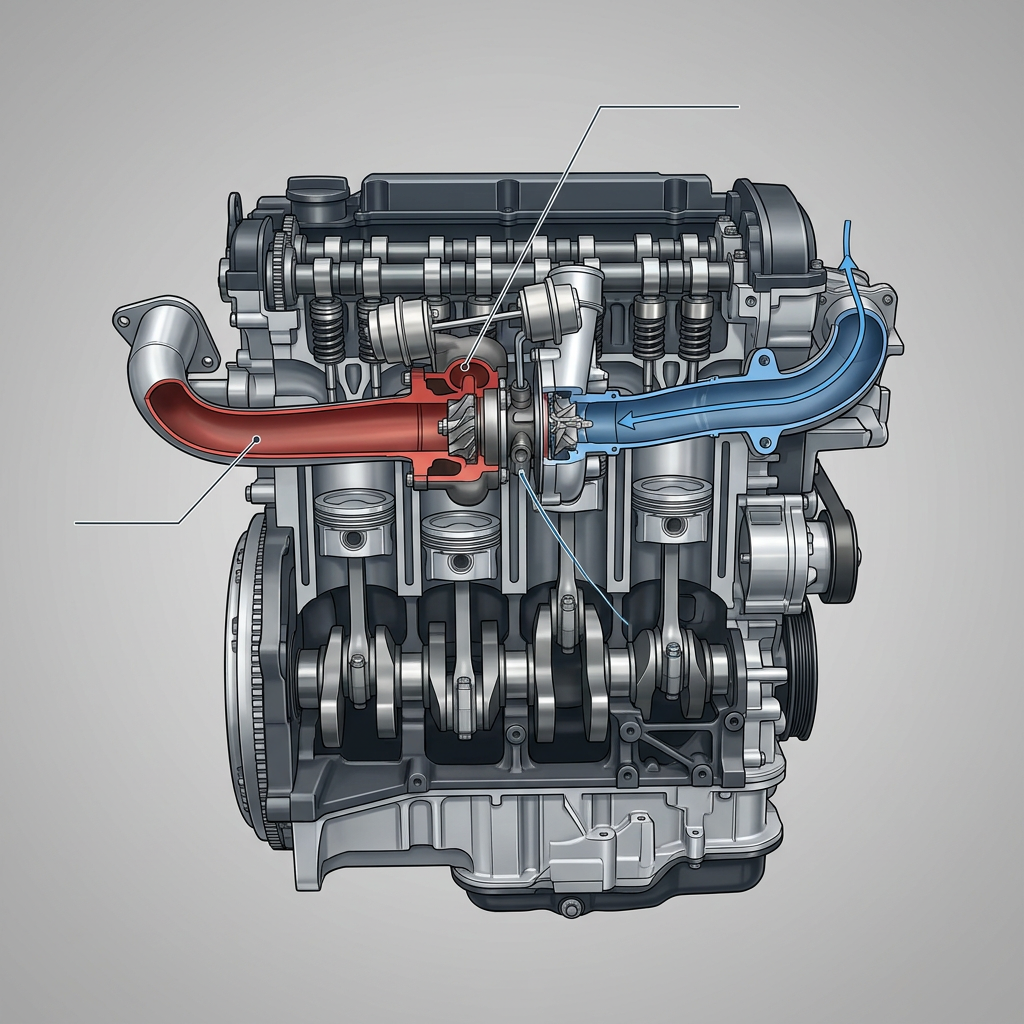
In contrast, a turbocharged four-cylinder engine uses a turbine to force extra air into the combustion chambers, creating a much larger explosion from a smaller displacement. The defining characteristic of a turbo-four is low-end torque. While a V6 might need to rev to 4,000 RPM to deliver its maximum pulling power, a turbocharged engine can deliver its peak torque as low as 1,500 RPM. This results in effortless, immediate acceleration from a stop and confident merging and passing power on highways like I-55.
Additionally, smaller turbocharged engines are physically lighter, which improves the vehicle's front-to-rear weight distribution and handling agility. When you are not pressing hard on the gas pedal, the smaller engine operates with outstanding fuel efficiency, offering the best of both worlds: V6-like power on demand and four-cylinder fuel economy during relaxed cruising.
Does a Turbocharged Engine Require Premium Fuel and Extra Maintenance?
As you compare vehicle specs, you might worry that choosing a turbocharged engine will lead to higher ownership costs through expensive fuel and specialized maintenance. While early turbocharged vehicles from decades ago did require meticulous care and high-octane fuel, modern automotive engineering has made turbochargers incredibly reliable and user-friendly for everyday driving.
The Octane Question
Many modern turbocharged engines are calibrated to run perfectly on regular 87-octane unleaded gasoline. Advanced knock sensors and direct fuel injection systems automatically adjust engine timing to protect the engine, regardless of the fuel grade used. While some performance-oriented turbochargers can unlock additional horsepower when fueled with premium 91 or 93 octane, running regular fuel is completely safe and will not harm the engine or void your warranty.
Oil Change Integrity
Turbochargers operate at extremely high speeds and temperatures, relying heavily on engine oil for cooling and lubrication. This means keeping up with scheduled oil changes is critical. Modern turbo engines require high-quality synthetic oil, which resists heat breakdown far better than conventional oil. Following the manufacturer's recommended oil change intervals is the single most important step in ensuring long-term turbocharger reliability.
Long-Term Reliability
Today's turbochargers are built to last the lifetime of the vehicle. Materials like high-grade alloys and water-cooled bearing housings prevent the heat buildup that used to cause premature wear. For the average owner, a turbocharged engine requires no more maintenance than a naturally aspirated engine, provided you use the recommended oil type and change it on schedule. If you ever need advice or factory-authorized service, our certified technicians are always here to help.
Which Engine Type Has Better Towing Capacity and How Does a CVT Affect Driving Feel?
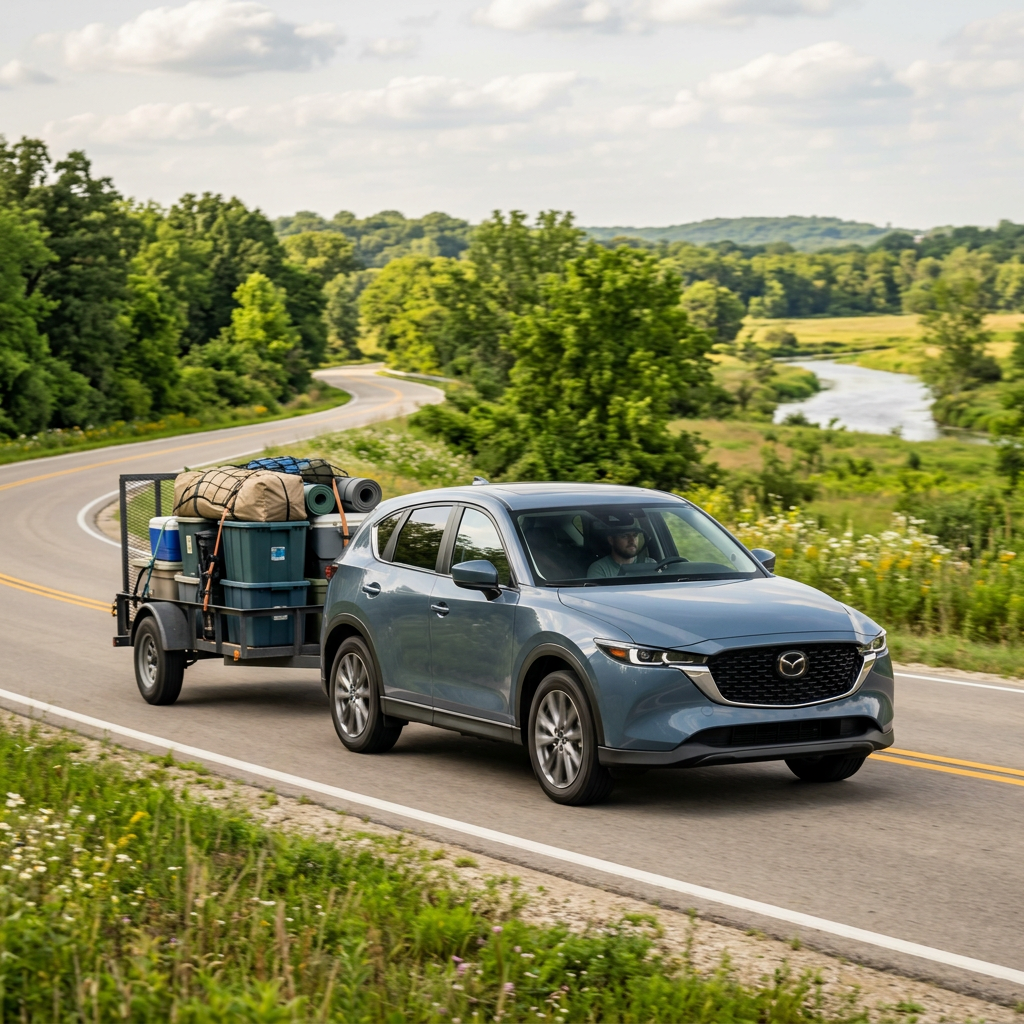
If you plan on towing light trailers, boats, or recreational gear, you must look closely at how different engine and transmission combinations manage heavy loads. While maximum towing capacity is determined by the vehicle's chassis, cooling systems, and brakes, the powertrain dictates how confident and comfortable that towing experience will actually feel.
Generally, turbocharged engines excel at towing because of their broad torque curves. Having peak torque available at low RPMs allows the vehicle to pull heavy loads away from a stop and climb hills effortlessly without hunting for gears or screaming at high revs. However, the transmission paired with that engine is just as important as the engine itself.
Many fuel-efficient crossovers utilize a Continuously Variable Transmission (CVT). Instead of traditional gears, a CVT uses a belt and pulley system to provide infinite gear ratios. While CVTs are excellent for maximizing highway fuel economy, they can create a disconnected, 'elastic' driving feel under heavy acceleration or when towing. The engine may rev to a high, constant RPM and stay there, creating a loud drone in the cabin and a delayed throttle response.
For a more natural and engaging driving experience, look for vehicles equipped with traditional geared automatic transmissions. A geared automatic provides distinct, tactile shift points, offering a direct physical connection between the engine and the wheels. This is particularly beneficial when towing, as it allows you to lock in specific gears for engine braking and control on steep descents. At Hawk Mazda, our vehicles are engineered with advanced geared automatic transmissions, delivering a responsive and engaging drive.
Compare and Test Drive Your Top Choices at Hawk Mazda in Plainfield
No matter how much research you conduct online, nothing can replace the clarity of a physical, back-to-back comparison. Feeling the seat comfort, testing the visibility, loading your actual cargo, and experiencing the driving dynamics firsthand is the ultimate way to ensure you make the right choice for your family. At Hawk Mazda, we are committed to providing a transparent, stress-free environment where you can explore and compare your top-shopped models at your own pace.
Our expert team is here to answer your questions, demonstrate active safety systems, and help you find the perfect model and trim level for your lifestyle. When you are ready to take the next step, we invite you to visit our beautiful showroom located in Plainfield, IL. We make the entire purchasing process seamless and straightforward, from valuing your trade-in to securing competitive financing rates.
Ready to get started? Click below to explore our inventory or contact us today to schedule your personalized comparison drive. We look forward to welcoming you to the Hawk Mazda family!