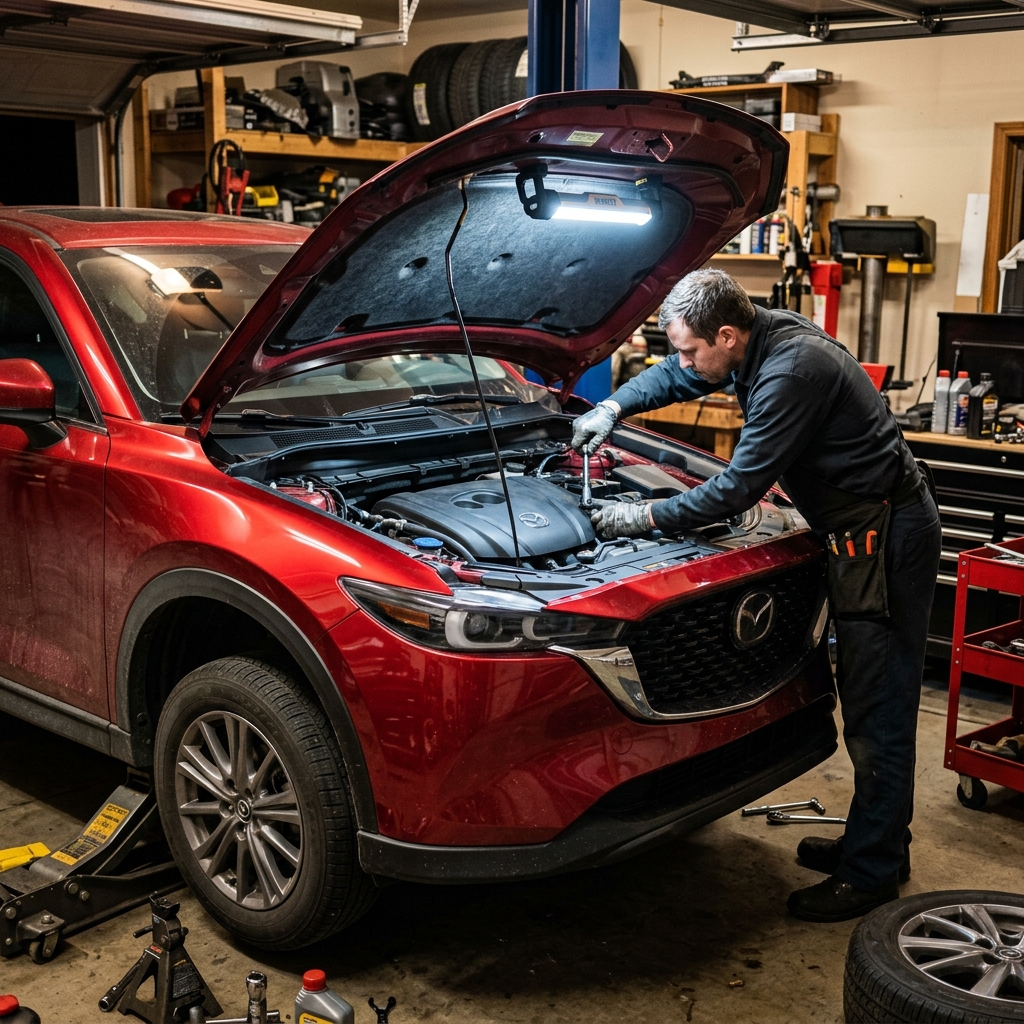
Nail in Your Tire? Here is Exactly What to Do Next
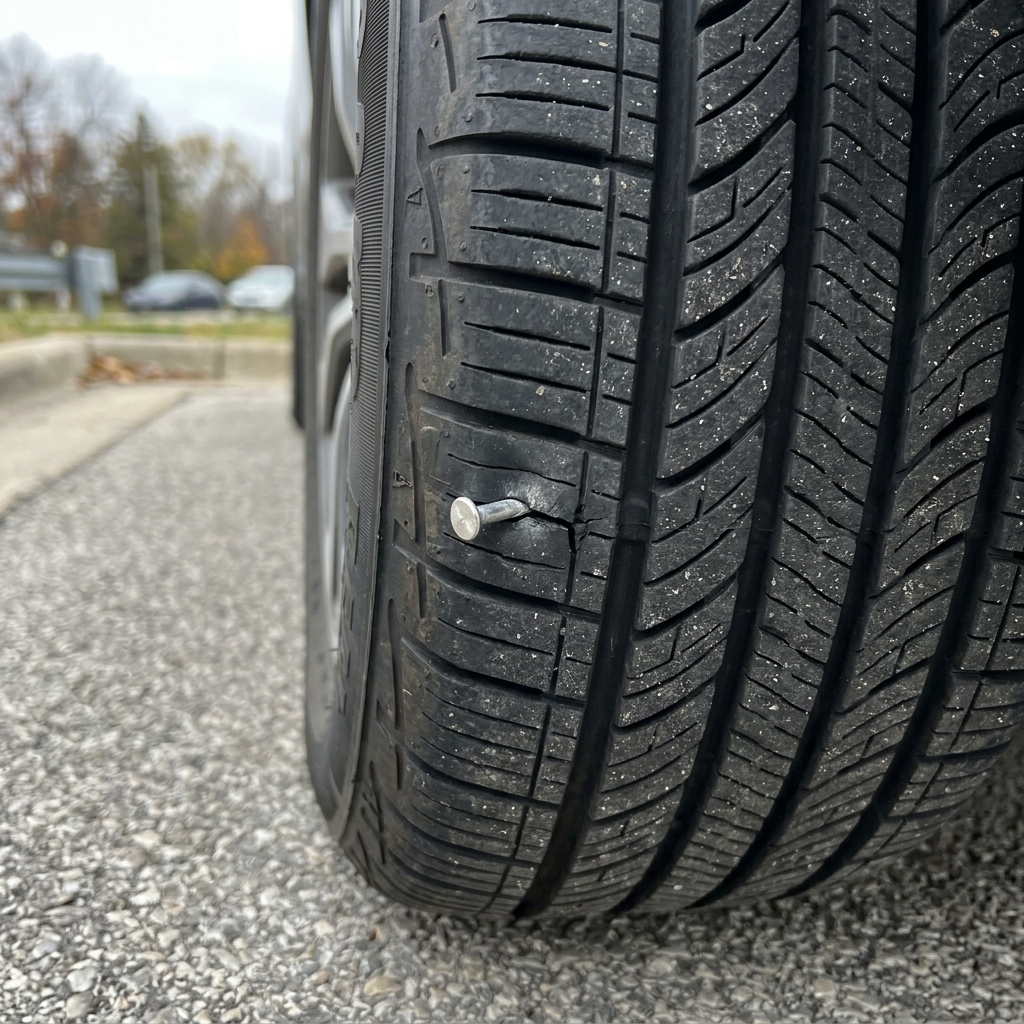
It happens in an instant: a metallic 'click-click-click' echoing off the pavement as you drive down Route 59, or the sudden, heart-sinking glow of the Tire Pressure Monitoring System (TPMS) light on your Mazda's dashboard. Discovering a nail in your tire is a universal frustration for Plainfield drivers, but how you react in the next few minutes determines whether you’re looking at a simple twenty-minute repair or an expensive, dangerous tire blowout. At Hawk Mazda, we see dozens of punctures every week, ranging from minor tread penetrations to catastrophic sidewall damage. This guide is designed to be your definitive resource for handling a tire emergency. We’ll walk you through the immediate safety steps, the science of why you should never pull the nail out yourself, and the critical criteria our certified technicians use to decide if a tire is safe to save or if it's time for a replacement. Whether you're commuting to Chicago or running errands in Plainfield, your safety depends on the four patches of rubber connecting you to the road.
The Immediate Safety Checklist: Pulling Over Safely
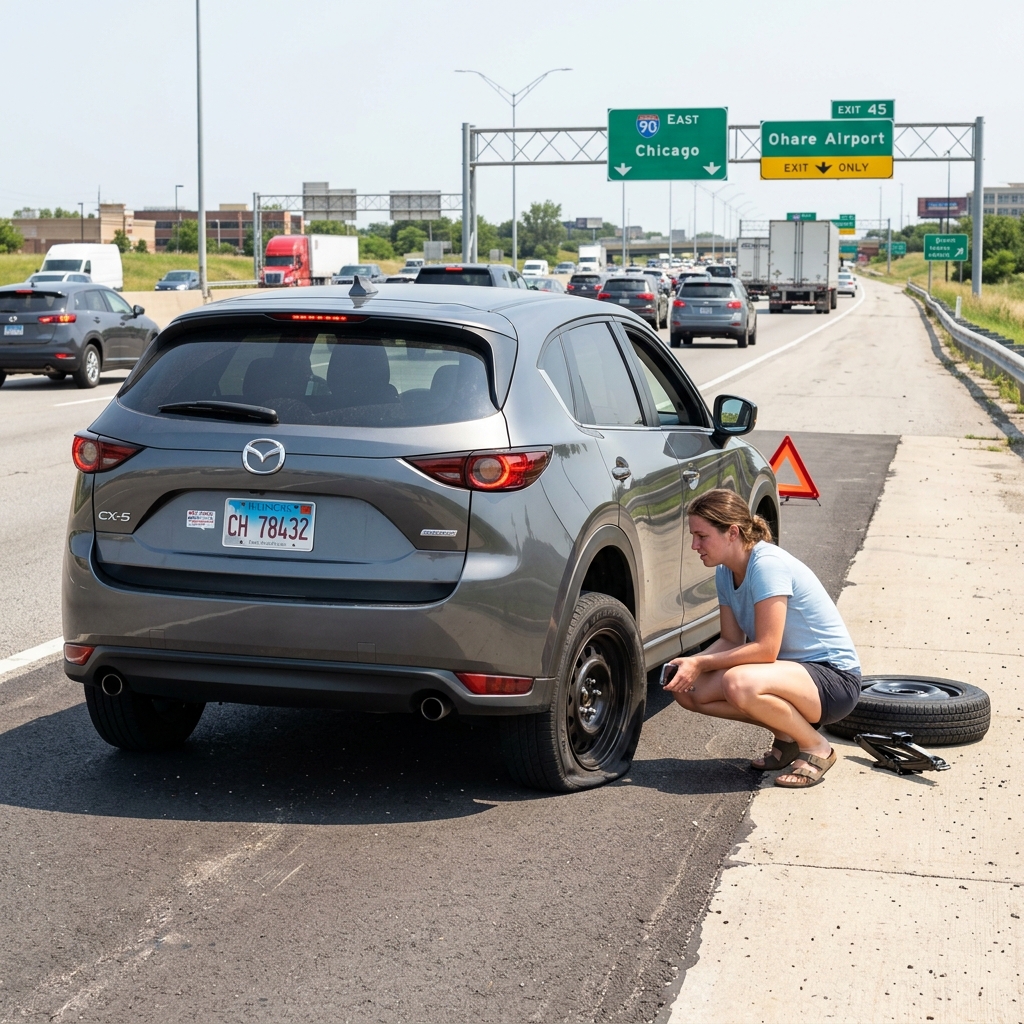
1. Don't Panic and Avoid Heavy Braking: The moment you suspect a puncture, your instinct might be to slam on the brakes. Don't. Sudden deceleration can shift the vehicle's weight and cause a compromised tire to break its bead from the rim. Maintain a steady grip on the steering wheel and ease off the accelerator. 2. Activate Your Hazard Lights: Signal to other drivers on the busy IL-59 that you are experiencing a mechanical issue. This is especially vital during Plainfield's frequent summer rainstorms when visibility is reduced. 3. Find Level, Solid Ground: If you need to inspect the tire or change to a spare, you must be on a flat surface. Asphalt or concrete is ideal; avoid soft dirt or steep inclines where a jack could slip.
4. Check the TPMS Display: Most modern Mazda vehicles provide real-time PSI for each tire. Monitor the rate of air loss. If the pressure is dropping by 1 PSI every few seconds, you have a 'fast leak' and must stop immediately. If it's holding steady, you may have a 'slow leak' caused by the nail acting as a partial plug. 5. Distance Matters: If you are within a mile of a safe haven like Hawk Mazda, and the tire is holding air, you may be able to limp there at low speeds. However, if the tire looks visibly 'squashed' or flat, stop moving. Driving on a flat tire for even a few hundred yards can destroy the internal structure of the sidewall beyond repair.
To Pull or Not to Pull: Why You Should Leave the Nail In
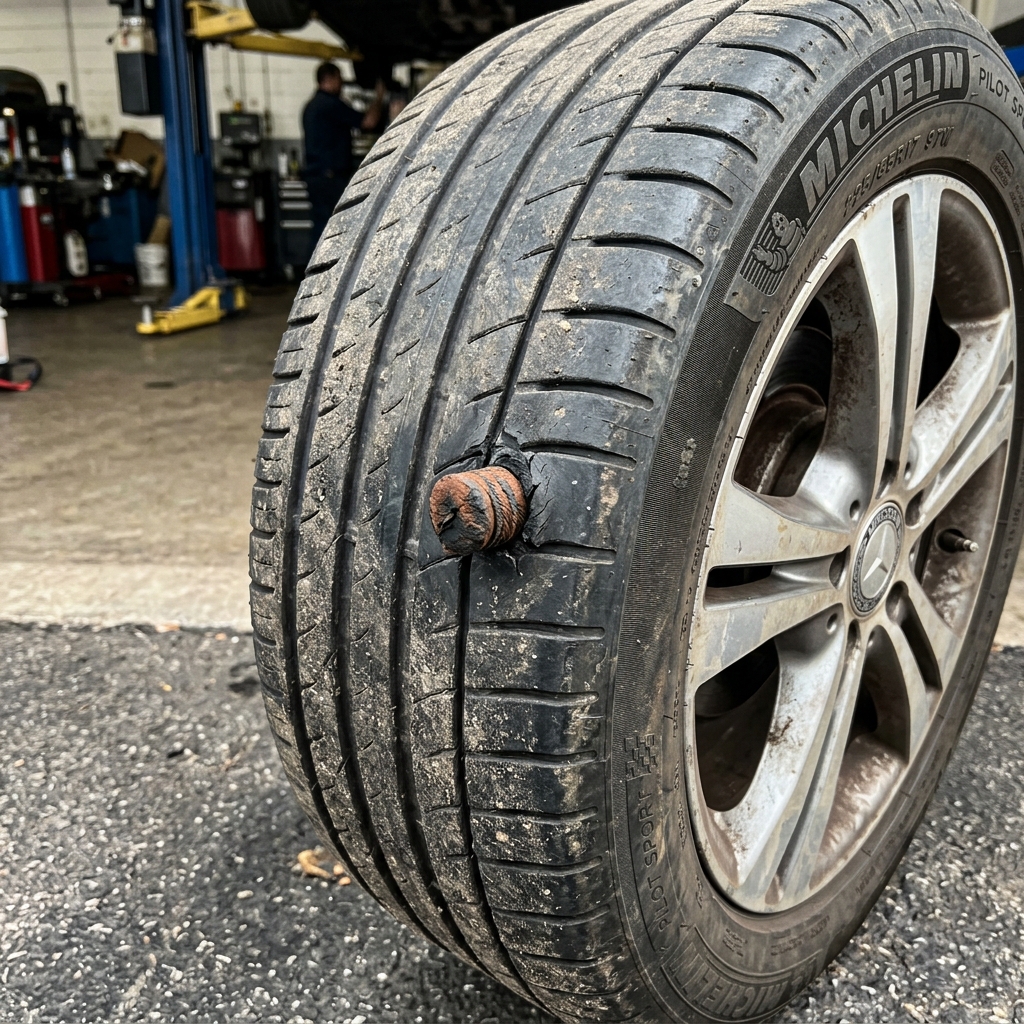
It is perhaps the most common mistake drivers make: seeing a nail and immediately reaching for pliers to pull it out. Stop! Unless you are prepared to plug the tire on the spot and have an air compressor ready, leave the nail exactly where it is. Think of the nail as a surgical object. While it caused the wound, it is currently occupying the space it created, effectively acting as a temporary (though imperfect) plug. Because tires are pressurized, the rubber around the nail is squeezed against the metal shank, significantly slowing the escape of air. The moment you remove that nail, you open a clear path for high-pressure air to vent. A tire that might have stayed inflated for hours could go flat in thirty seconds once the nail is removed. Furthermore, leaving the nail in place helps our technicians at Hawk Mazda locate the leak instantly. Sometimes, nails can break off flush with the tread, making them nearly impossible to find once you've pulled the head off. Keeping the 'foreign object' in place is the best way to ensure we can perform a precise, professional repair. If you need assistance, you can Call us at (779) 260-6502 for immediate advice.
Assessing the Damage: Is it Repairable?
The Tread Zone
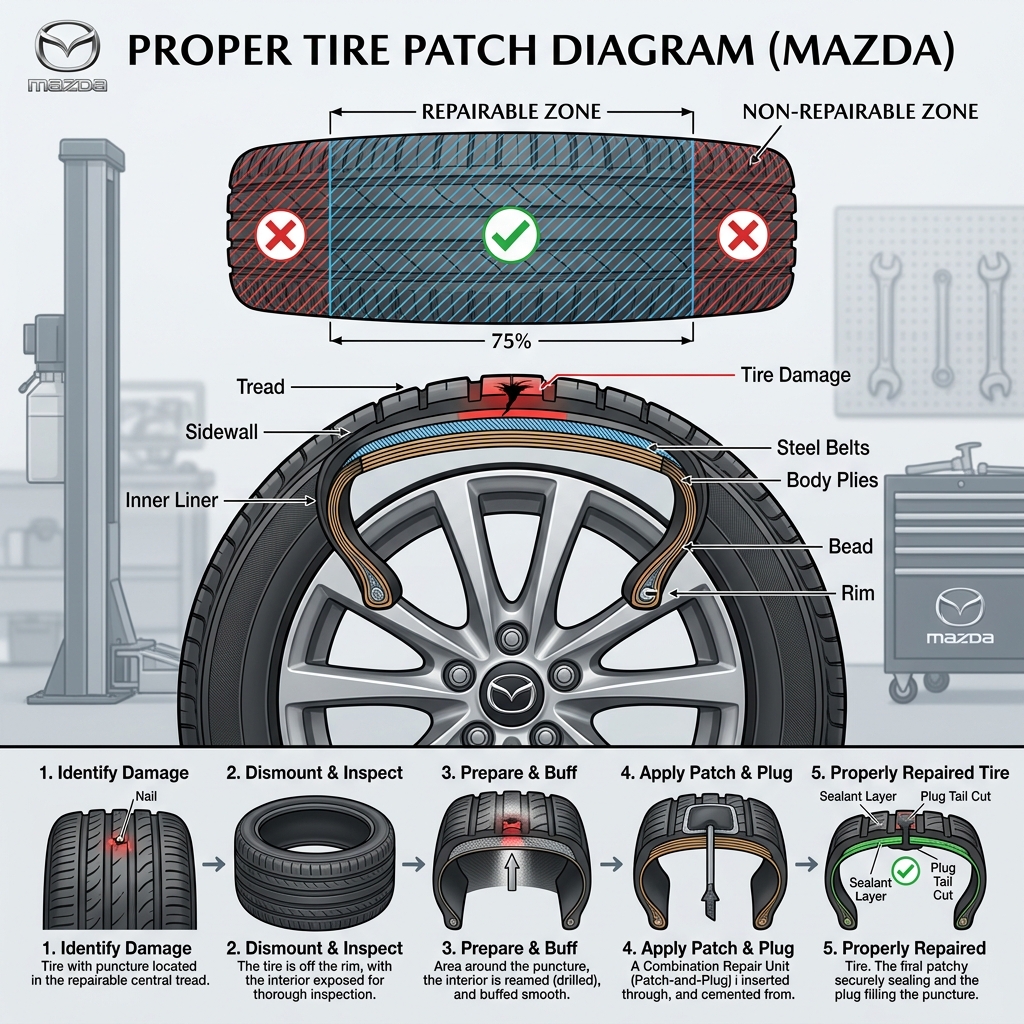
For a tire to be safely repaired, the puncture must be located within the 'central repair area'—essentially the middle of the tread. If the nail is at least 1/2 inch away from the shoulder or sidewall, it's usually a candidate for a patch-plug.
The Sidewall Rule
If the nail is in the sidewall or the shoulder (the curve where the tread meets the side), the tire cannot be repaired. This area flexes constantly; a patch here will eventually fail, potentially leading to a blowout.
Size & Diameter
Punctures larger than 1/4 inch (about 6mm) in diameter are too large for standard repair methods. If you've run over a large bolt or a piece of jagged debris, the structural integrity of the steel belts may be compromised.
Driving on a Punctured Tire: Risks and Speed Limits
Under-inflation is a tire's greatest enemy. When a tire loses air due to a nail, the sidewalls flex more than they were designed to. This friction generates immense heat. In the peak of an Illinois summer, pavement temperatures can exceed 140°F; combine that with the internal heat of a low tire, and the rubber literally begins to degrade from the inside out. If you must drive to reach safety, keep your speed under 35 MPH and avoid sharp turns. High speeds increase centrifugal force, which can cause the nail to work its way deeper or widen the hole. Furthermore, a low tire significantly affects your vehicle's handling and braking distance. Your Mazda's sophisticated stability control systems rely on consistent tire diameter; a flat tire changes that math, potentially leading to unpredictable vehicle behavior during an emergency maneuver.
The Spare Tire Solution: Donuts vs. Full-Size Spares
If the leak is too fast to drive on, it’s time to swap to your spare. Most Mazda sedans and SUVs are equipped with a 'temporary use' spare, commonly known as a donut. These are designed with one goal: to get you to a service center like Hawk Mazda. They are not built for highway speeds or long-distance travel. Remember the 50/50 Rule: Do not exceed 50 miles per hour, and do not drive more than 50 miles on a temporary spare. These tires have significantly less tread, thinner sidewalls, and a smaller contact patch than your standard tires. If your vehicle has a full-size spare, you have more flexibility, but remember that the spare's rubber may be older and have a different tread depth than the other three tires, which can strain your drivetrain—especially on i-Activ AWD models. Pro Tip: Check your spare tire's pressure every time you come in for an oil change. There is nothing worse than getting a nail in your tire only to find your spare is also flat.
Professional Plug vs. Patch: Understanding the Difference
At a roadside stand, you might get a 'plug'—a mushroom-shaped piece of rubber shoved into the hole from the outside. While this stops the leak, it's considered a temporary fix. It doesn't seal the inner liner of the tire, meaning moisture can still reach the steel belts, leading to rust and eventual tread separation. At Hawk Mazda, we use the industry-standard patch-plug combination. We remove the tire from the rim to inspect the interior for damage (like 'heat mottling' or rubber dust). We then clean the puncture, pull a rubber stem through the hole to seal the path of the nail, and vulcanize a patch to the inner liner. This creates a permanent, airtight seal that restores the tire's structural integrity. Don't settle for a quick fix when your safety is on the line.
Schedule Your Professional Tire Inspection in Plainfield
Don't leave your safety to chance with a DIY kit or a cut-rate repair. Our factory-trained technicians at Hawk Mazda will ensure your tire is repaired to the highest safety standards or help you find a perfect replacement. We are conveniently located for all Plainfield and Joliet residents.
When Repair Isn't an Option: Choosing New Tires
All-Season Reliability: Most Plainfield drivers opt for high-quality all-season tires that provide a balance of wet-weather grip for summer storms and decent traction for light Illinois winters.
The Winter Advantage: If your tire was damaged in the late fall, consider switching to dedicated winter tires. They use a specialized compound that stays soft in sub-freezing temps.
If you need a new set, you can Browse New Mazda Inventory to see the latest models or check our parts center for the specific brands that fit your vehicle.
The Cost of Neglect: Long-term Rim and Suspension Damage
Ignoring a nail because 'the tire still has air' is a dangerous gamble. Beyond the risk of a blowout, a chronically under-inflated tire causes uneven wear on your suspension components. Your Mazda is a precision-engineered machine; when one corner of the car is sagging, it puts undue stress on the control arm bushings, struts, and wheel bearings. Even worse, driving on a flat tire for just a few seconds can 'pinch' the rubber between the road and your expensive alloy wheel. Once the rim makes contact with the pavement, it can become bent or cracked. A $30 tire patch is a much better investment than a $600 replacement wheel and a four-wheel alignment. If you're worried about the cost of major repairs, you can Apply For Financing Now to cover unexpected service needs.
Signs of Rim Damage: • Vibrations in the steering wheel • A steering wheel that isn't centered • A visible 'hop' in the wheel when it's spinning • Thumping noises that increase with speed Don't let a small nail turn into a total suspension overhaul.
Road Hazard Coverage and Warranty Protection
Before you pay out of pocket, check your paperwork! Many new Mazdas and high-quality replacement tires come with Road Hazard Protection. This coverage is different from a standard manufacturer's warranty—which only covers defects—and specifically covers damage from nails, glass, and potholes. If you purchased your vehicle at Hawk Mazda, you may have an active tire and wheel protection plan that covers 100% of the cost of repair or replacement. Our service advisors are happy to help you check your coverage. If it turns out you need a new vehicle altogether rather than just a tire, you can always Get Your Trade-In Value and see how much your current car is worth toward a new Mazda with a fresh set of tires.
DIY Emergency Kits: What Every Driver Should Carry
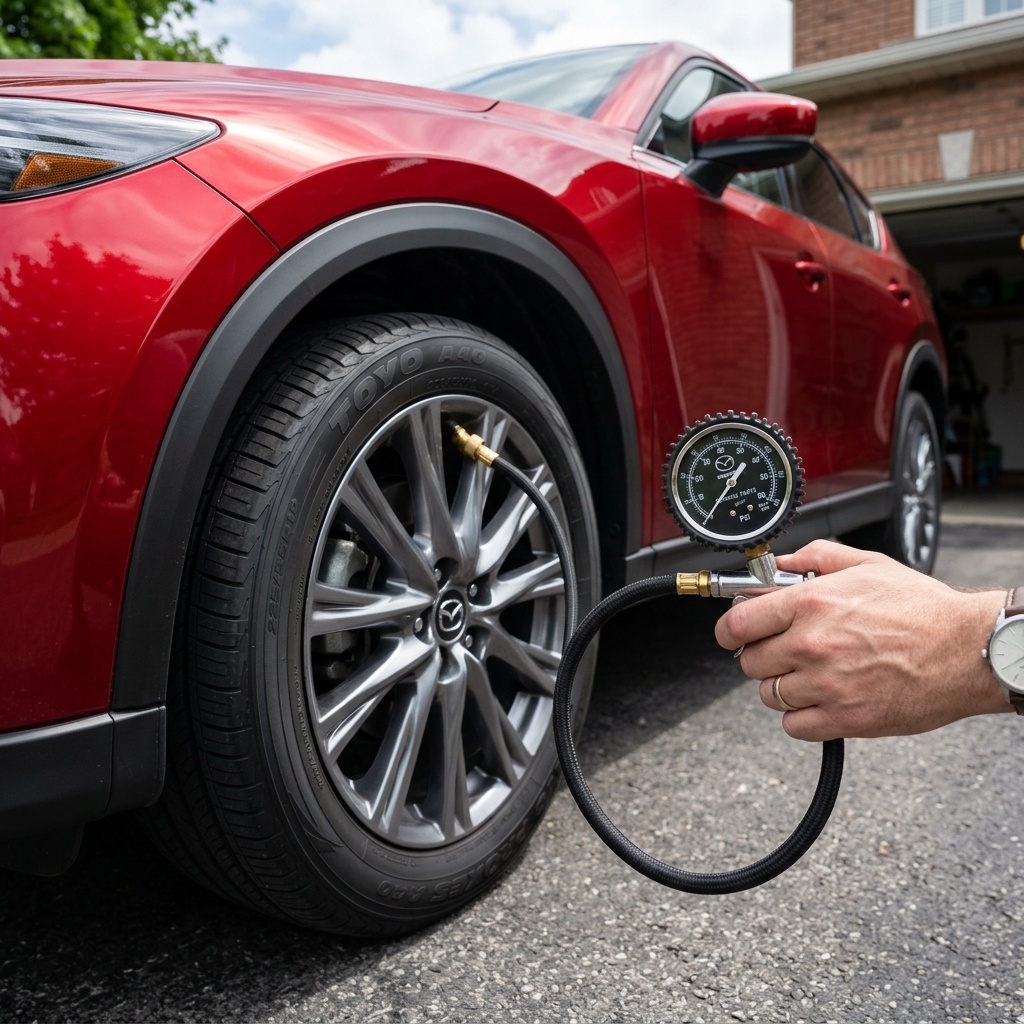
Pressure Gauge: Don't rely solely on the dashboard. A manual gauge allows you to check all tires, including the spare, while parked.
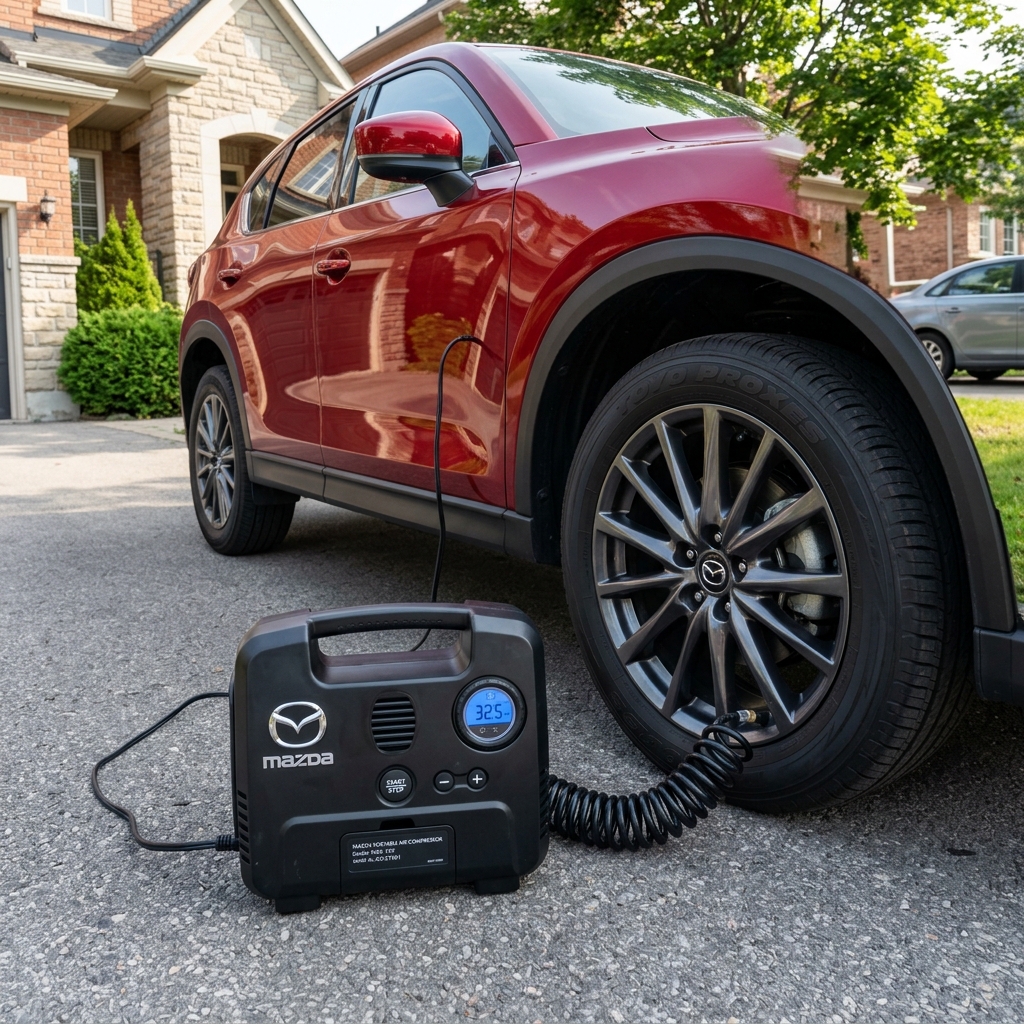
Portable Compressor: A 12V compressor that plugs into your car can give you enough air to reach Hawk Mazda safely.
LED Work Light: Punctures never happen in broad daylight. A hands-free light is essential for nighttime inspections on the shoulder.
Preventative Maintenance: Avoiding Future Punctures
While you can't always avoid a stray nail, you can significantly reduce your risk. First, maintain proper tire pressure. A properly inflated tire has the correct amount of tension in its tread to occasionally 'flick' away small debris. An under-inflated tire is 'softer' and more likely to allow a nail to penetrate the rubber. Second, stay away from the shoulders of the road, especially near construction sites. Plainfield's growth means plenty of new developments, and construction trucks often drop fasteners. Debris naturally migrates to the edges of the road due to wind and traffic flow—the shoulder is the most likely place to pick up a nail.
Finally, regular tire rotations are key. By rotating your tires every 5,000 to 7,500 miles, you ensure even tread wear. Thicker tread provides a more robust barrier against punctures. If your tires are balding, even a small piece of wire can cause a flat. If you need used-vehicle maintenance or want to upgrade, you can Browse Used Vehicle Inventory for models with fresh rubber.
Visit Hawk Mazda for Expert Tire Care
Your tires are the only thing between your Mazda and the Illinois pavement. When a nail threatens your safety, trust the experts who know your vehicle best. From precision patch-plug repairs to the latest tire technology from major brands, Hawk Mazda is here to keep you rolling safely. Don't wait for a slow leak to become a dangerous blowout. Get Directions to Hawk Mazda at 2421 S Rte 59, Plainfield, IL 60586, or Call us at (779) 260-6502 to speak with a service specialist immediately.