

How to Master Staying Cool in This Illinois Summer Heat While Driving Around Plainfield and Naperville
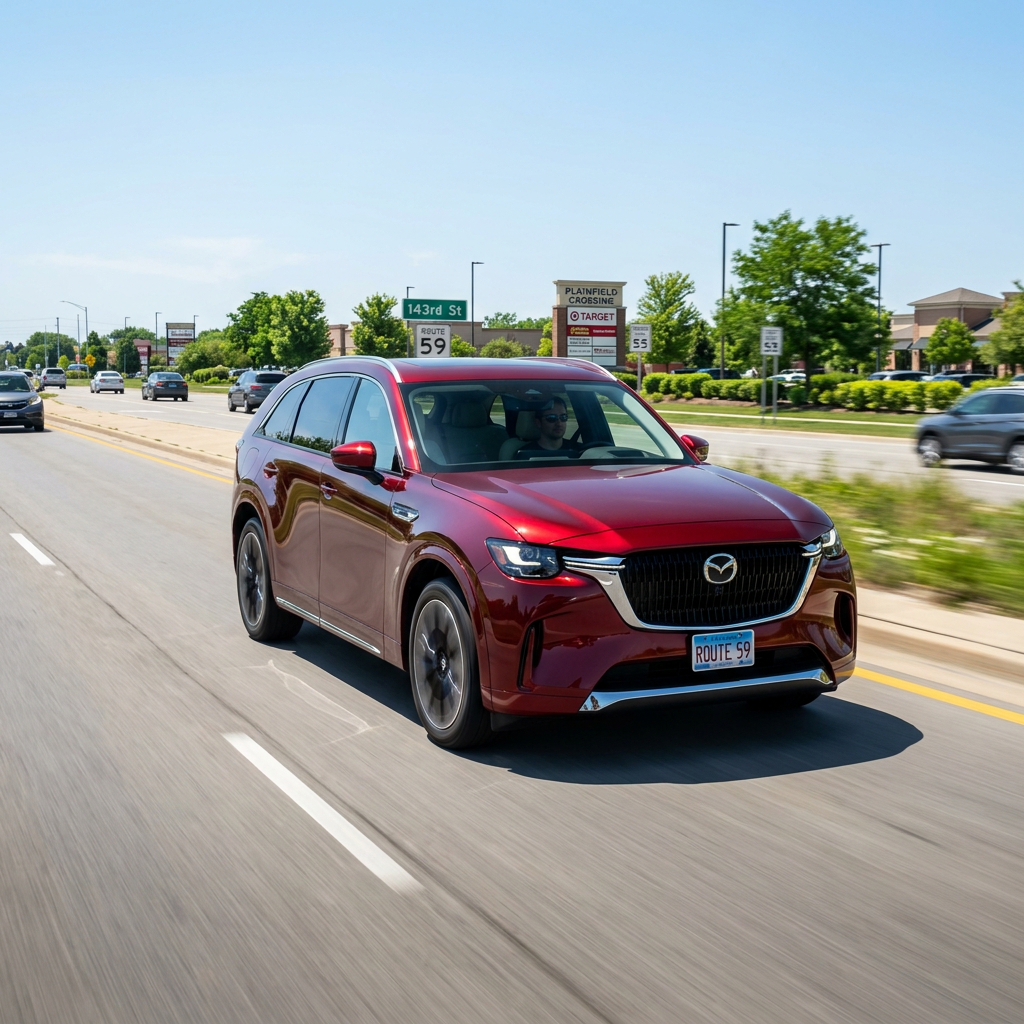
A red Mazda SUV driving down Route 59 on a sunny day with shopping center signs in the background.

Summers in northeastern Illinois are notorious for their intense combination of soaring temperatures and heavy, stifling humidity. When June, July, and August roll around, a phenomenon known locally as "corn sweat" (evapotranspiration from the vast agricultural fields surrounding Will and DuPage counties) pumps massive amounts of moisture into the atmosphere. This turns a standard 90-degree afternoon into a sweltering index of over 100 degrees. For commuters traveling along the bustling Route 59 corridor, navigating I-55, or running daily errands between Plainfield and Naperville, your vehicle's cabin can quickly become an absolute oven. Surviving these brutal summer months requires more than just rolls of the windows down and a hope for a cross-breeze. As an active driver in our community, you need to master your vehicle's climate control system to ensure every trip remains a sanctuary of cool air rather than an endurance test. Keeping your air conditioning system running at peak efficiency is not just about comfort; it is a matter of safety and alertness. A driver who is overheated and sluggish is slower to react to sudden stops on the tollway or unexpected pedestrians near downtown Naperville. Fortunately, staying ahead of the heat is highly manageable when you understand the science of your car's climate control and perform regular, proactive inspections. From checking crucial components to adopting smart habits that minimize heat buildup in the first place, this comprehensive guide will equip you with the knowledge to conquer the worst of the Illinois summer. At Hawk Mazda in Plainfield, we take pride in serving as your trusted community automotive authority, ensuring your vehicle remains a reliable shield against the elements. If you ever need professional assistance, you canGet Directions to Hawk Mazdaand visit our team of experts on Route 59.

What Are the Early Signs My A/C Needs Service Before the Next Joliet Heatwave?

An automotive air conditioning system rarely fails without warning. Long before it completely stops blowing cold air, it will exhibit subtle distress signals that alert you to underlying issues. One of the most common early signs is a noticeable drop in airflow velocity. If you turn your fan speed to the maximum setting but only feel a weak, sluggish breeze emerging from the vents, your system is struggling. This could indicate a failing blower motor, blockages within your ductwork, or a heavily restricted air filter. Another telling symptom is the presence of strange noises when you activate the climate control. A high-pitched squealing or screeching sound typically points to a worn serpentine belt or an AC compressor pulley that is beginning to seize. A clicking or buzzing sound from behind the dashboard might mean that the blend door actuators—which direct the flow of hot and cold air—are failing. Ignoring these noises can lead to catastrophic failures, such as a seized compressor that can shred your drive belt and leave you stranded on the shoulder of I-80.

Inconsistent cooling is another major red flag. If your system blows ice-cold air while you are cruising down the highway but immediately turns warm and muggy when idling at a stoplight in downtown Joliet, your cooling fan or condenser might be failing. Alternatively, musty, damp, or mold-like odors coming from your vents when you first start the car indicate that moisture has accumulated on the evaporator core, creating a breeding ground for bacteria and mold. Waiting until a massive heatwave strikes is a recipe for an uncomfortable and potentially costly emergency. Proactive diagnostics and routine service allow technicians to catch small problems—such as a minor refrigerant leak or a worn belt—before they escalate into expensive repairs. If your car is exhibiting any of these early warning signs, do not hesitate to contact our experienced team. You canCall us at (779) 260-6502to consult with our service specialists and secure your appointment before the thermometer climbs any higher.

How Does the Cabin Air Filter Affect a Vehicle's Air Conditioning Airflow and Cooling Capacity?

A clean, bright white genuine Mazda cabin air filter compared directly to a dark, dust-clogged old cabin filter.

Airflow Restriction & System StrainThe cabin air filter is the primary gateway through which all air must pass before entering your vehicle's passenger compartment. Over time, this filter collects a massive amount of debris, including dust, road grime, leaves, and insect remains. When the filter becomes heavily clogged, it acts like a literal wall, severely restricting the volume of air that your HVAC blower motor can push into the cabin. This restriction forces the blower motor to operate at a much higher temperature and draw more electrical current, accelerating its wear and potentially causing it to burn out prematurely.

Allergen Barriers in IllinoisNortheastern Illinois is notorious for high seasonal pollen counts, agricultural dust, and ragweed. A high-quality cabin air filter is designed to capture these microscopic allergens, protecting you and your passengers from sneezing fits and irritated eyes while driving. If you ignore filter replacements, those captured allergens begin to decay within the filter element. When you turn on your air conditioning, the air is forced through this layer of organic decay, blasting unpleasant odors and allergens directly into your face.

The Value of Genuine OEM FiltersTo maintain peak cooling capacity and airflow, we recommend inspecting your cabin air filter every 15,000 miles, or more frequently if you regularly commute through dusty construction zones along I-55. When it comes to replacement, choosing cheap aftermarket filters can result in a poor fit that lets unfiltered air bypass the element. To ensure maximum filtration and absolute fitment, always choose OEM parts. You can easilyOrder Genuine Mazda Partsdirectly from our dealership to restore pristine airflow to your cabin.

Why Does My Car's AC Blow Cold at First But Then Turn Warm After Driving?

Few things are more frustrating than starting your car, feeling a refreshing blast of arctic air, and then watching that cooling power slowly dissolve into a warm, humid breeze twenty minutes into your commute. This symptom of "AC freeze-up" is a classic automotive climate control issue. The primary culprit is often a freezing evaporator coil. The evaporator coil, located deep inside your dashboard, relies on a constant, unrestricted flow of warm cabin air to keep it from getting too cold. If airflow is restricted—due to a clogged cabin filter or a failing blower motor—the condensation on the coil will freeze solid, creating an ice barrier that blocks all air from passing through. Another technical cause is a failing or sticking thermal expansion valve (TXV). The expansion valve regulates the flow of liquid refrigerant into the evaporator. If the valve sticks open or closed, it can flood the evaporator with too much refrigerant or starve it completely, resulting in an immediate loss of cooling capability. Additionally, moisture in the system can freeze inside the expansion valve, completely blocking the flow of refrigerant until the engine heat melts the ice, starting the frustrating cycle all over again.

Low refrigerant levels can also cause this exact phenomenon. When the system is low on refrigerant, the pressure drops below optimal levels. This low pressure actually causes the temperature of the remaining refrigerant to plummet, freezing any moisture on the exterior of the evaporator coils. Many vehicle owners try to resolve this by purchasing cheap, over-the-counter DIY recharge cans from local auto parts stores in Plainfield. However, these DIY kits often introduce moisture and air into the closed loop, or worse, they cause overcharging, which can permanently damage the compressor. Diagnosing the exact root cause of an intermittent A/C system requires specialized manifold gauges, leak-detection dye, and professional expertise. Rather than guessing and risking expensive damage, let our factory-trained technicians analyze and restore your system. To ensure your commute remains comfortable all summer long, we invite you toSchedule Your Service Todayand let our certified team handle the technical diagnostics with precision.

What Is the Legal Window Tint Limit for Passenger Cars in Illinois?
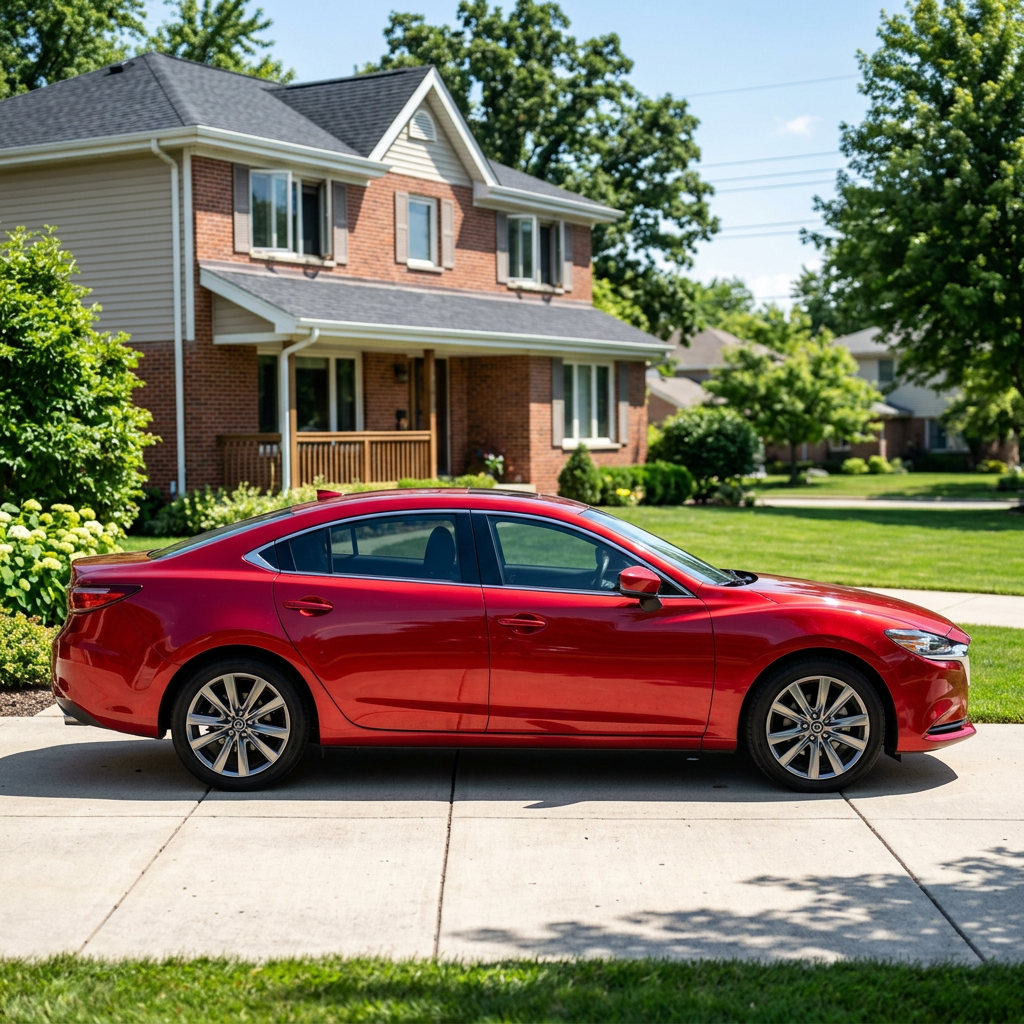
Side view of a glossy red sedan parked on a concrete driveway in front of a suburban two-story house.

Window tinting is one of the most effective physical modifications you can make to your vehicle to combat cabin heat buildup. However, before you head to a local shop in Plainfield or Naperville, you must understand the strict laws governing window tint in the state of Illinois. Under Illinois Vehicle Code (625 ILCS 5/12-503), the legal limit for light transmission is highly specific. For passenger sedans and coupes, you are permitted to have window film applied to the front side, rear side, and rear windshield, provided that the film allows at least35% of lightto pass through (commonly referred to as 35% Visible Light Transmission, or VLT). If you choose to tint your windows, there are some important exceptions and combinations to keep in mind. If your vehicle comes from the factory with rear windows that are darker than 35% (which is common for SUVs and crossovers), you are legally prohibited from adding any aftermarket tint to the front side windows. If you do not have any factory tint on the rear, you can legally apply 35% tint all the way around. On the front windshield, you are only allowed to apply non-reflective tint above the manufacturer's AS-1 line (typically the top five inches of the glass). Violating these laws can result in expensive traffic citations and require you to scrape the film off your glass at your own expense. To maximize heat rejection without violating Illinois law, we highly recommend investing in high-qualityceramic window tinting. Traditional dyed window films simply block light, which does very little to stop infrared heat from penetrating your vehicle. Advanced ceramic films, on the other hand, utilize microscopic ceramic particles that reflect and absorb up to 99% of infrared heat and block 99% of harmful UV rays, even at a completely legal 35% VLT. This means you can keep your Mazda legal, sleek, and significantly cooler without resorting to dark, illegal films that impair your night vision.

Does Leaving the Windows Cracked While Parked Significantly Reduce Cabin Temperatures?

It is a common sight in local parking lots: vehicles left with their windows cracked open an inch or two in an attempt to vent out the rising heat. But does this practice actually deliver significant thermal relief, or is it simply a placebo? To understand this, we have to look at the thermodynamics of a closed vehicle. When your car is parked directly under the intense summer sun, the glass windows act as a greenhouse, allowing short-wave solar radiation to pass through and heat up the dark surfaces of your dashboard, seats, and steering wheel. These heated materials then radiate long-wave infrared energy, which cannot easily escape through the glass. Thermal testing reveals that cracking your windows does provide a small degree of passive air circulation, which can reduce the peak cabin temperature by approximately 5 to 10 degrees Fahrenheit. However, when the ambient outdoor temperature is 95 degrees, the inside of a closed car can easily reach a lethal 140 degrees within an hour. Reducing that to 130 degrees by cracking the windows is a marginal improvement that still leaves the interior dangerously hot and uncomfortable upon entry.

Furthermore, leaving your windows cracked introduces substantial security and environmental risks. Illinois is famous for sudden, violent summer thunderstorms that can roll in with little warning, potentially leaving your pristine interior soaked and prone to mold. Additionally, cracked windows invite unwanted pests, road dust, and pollen into your cabin. From a security standpoint, even a small gap provides car thieves with an easy leverage point to slide a wire tool inside and unlock your doors. Ultimately, while cracking the windows does offer a minor reduction in peak heat, the associated risks usually outweigh the small thermal benefit. A far more effective and secure strategy is to combine physical barriers like high-quality sunshades with advanced tech features. If you are tired of dealing with an overheated cabin every single afternoon, it might be time to explore upgrading to a modern vehicle with remote climate pre-conditioning. You canBrowse New Mazda Inventoryat Hawk Mazda to find models equipped with the latest convenience features.

Smart Habits to Keep Your Mazda Cool When Parked Under the Plainfield Sun
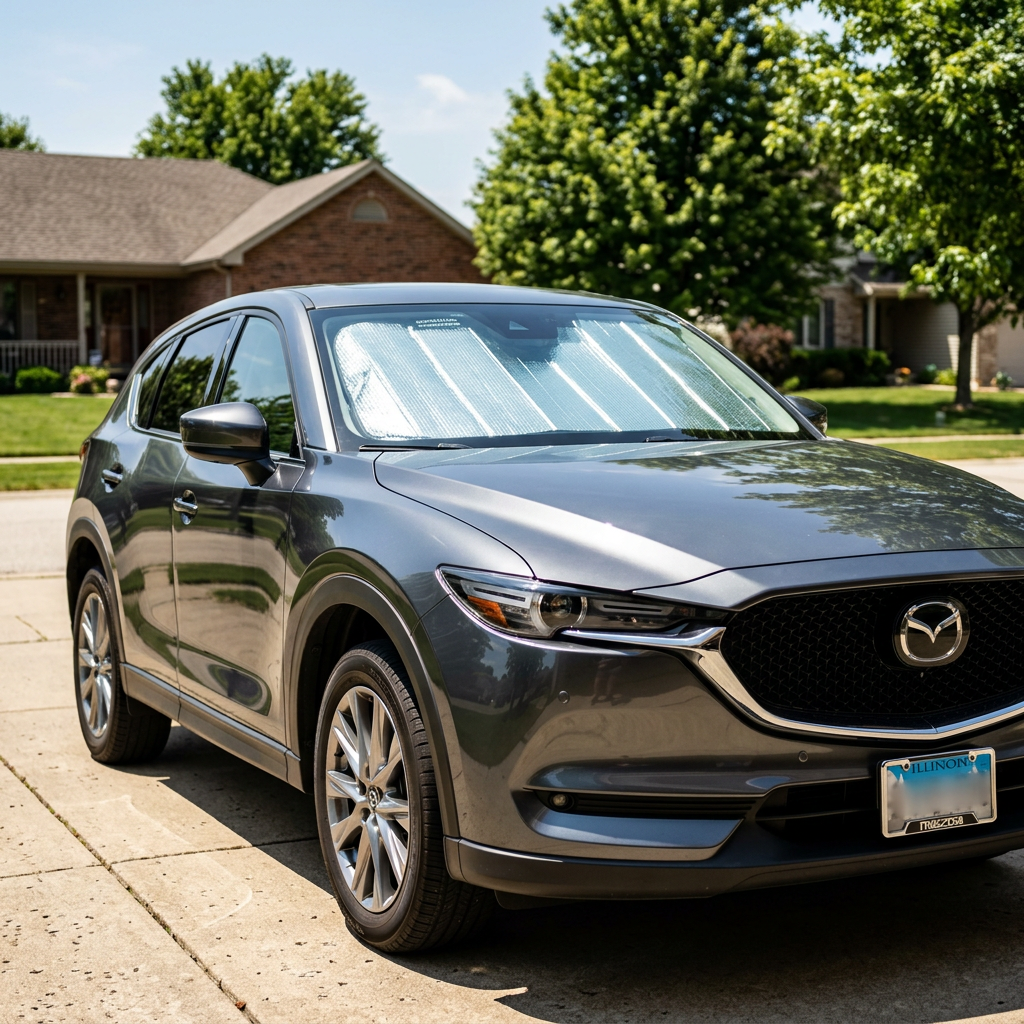
A gray Mazda SUV parked on a concrete driveway in a suburban neighborhood with a reflective sunshade in the windshield.

Use Premium Windshield SunshadesThe windshield is the largest glass panel on your car and the primary entry point for solar heat. Investing in a high-quality, custom-fit reflective folding sunshade is the single most effective habit you can build. Cheap, universal-fit shades often leave large gaps around the edges, letting heat pour in. A custom-fit shade blocks and reflects almost all incoming solar radiation, keeping your dashboard up to 40 degrees cooler and protecting your sensitive electronic screens and leather surfaces from cracking.

Seek Strategic Shade & ParkingWhenever possible, park in shady areas, even if it means walking a few extra steps. If you are spending the afternoon near the DuPage River parks or downtown Plainfield, look for parking spaces shielded by mature trees or buildings. Keep in mind that the sun moves throughout the day; parking in a shady spot at 10:00 AM might leave your car in direct sunlight by 2:00 PM. Anticipating the sun's path will help you select the most protected spot for the duration of your stay.

Utilize the MyMazda App TechIf you own a modern Mazda, you have a powerful tool right in your pocket. The MyMazda app allows you to start your engine remotely and pre-condition your cabin's climate control system from anywhere. Ten minutes before you leave your home or office, simply activate the app to start the A/C. By the time you open the door, your cabin will be a perfectly chilled oasis, completely eliminating the discomfort of climbing into a blistering hot driver's seat.

What Is the Standard Warranty on Automotive AC Compressor Replacements in Illinois?

When faced with a major climate control repair like an AC compressor replacement, understanding your warranty coverage is essential. The compressor is the heart of your vehicle's air conditioning system, and replacing it is a highly labor-intensive job that requires evacuating and recharging the refrigerant. If you choose to have your compressor replaced using genuine OEM parts at an authorized dealership, you are backed by Mazda's robust parts warranty. Typically, genuine Mazda replacement parts installed by a certified dealer come with a **12-month or 12,000-mile warranty** (whichever occurs first), which covers both the replacement part and the associated labor costs. This stands in stark contrast to aftermarket replacements purchased at independent repair shops. While aftermarket parts may sometimes feature longer warranty periods on the physical part itself, they rarely cover the labor costs required to replace a failed unit. If your aftermarket compressor fails six months after installation, you will likely have to pay hundreds of dollars in labor charges all over again. By sticking with certified OEM service, you protect your investment with a guarantee that covers both parts and labor nationwide.

Investing in major repairs can sometimes feel like a financial burden, especially during the summer holiday season. To help our local Plainfield and Naperville drivers maintain their vehicles without stress, Hawk Mazda offers convenient financing solutions. You can easilyApply For Financing Nowonline to explore flexible payment options that spread the cost of your repairs over time, ensuring you do not have to compromise on your comfort or vehicle safety. Before authorizing any major AC repair, always ask your service advisor for a detailed, written breakdown of the warranty terms. Our team is committed to absolute transparency, and we will happily explain the coverage details so you can drive away with complete peace of mind, knowing your new compressor is fully protected against future defects.

Preparing Your Vehicle for Hot Summer Commutes Between Plainfield, Joliet, and Chicago
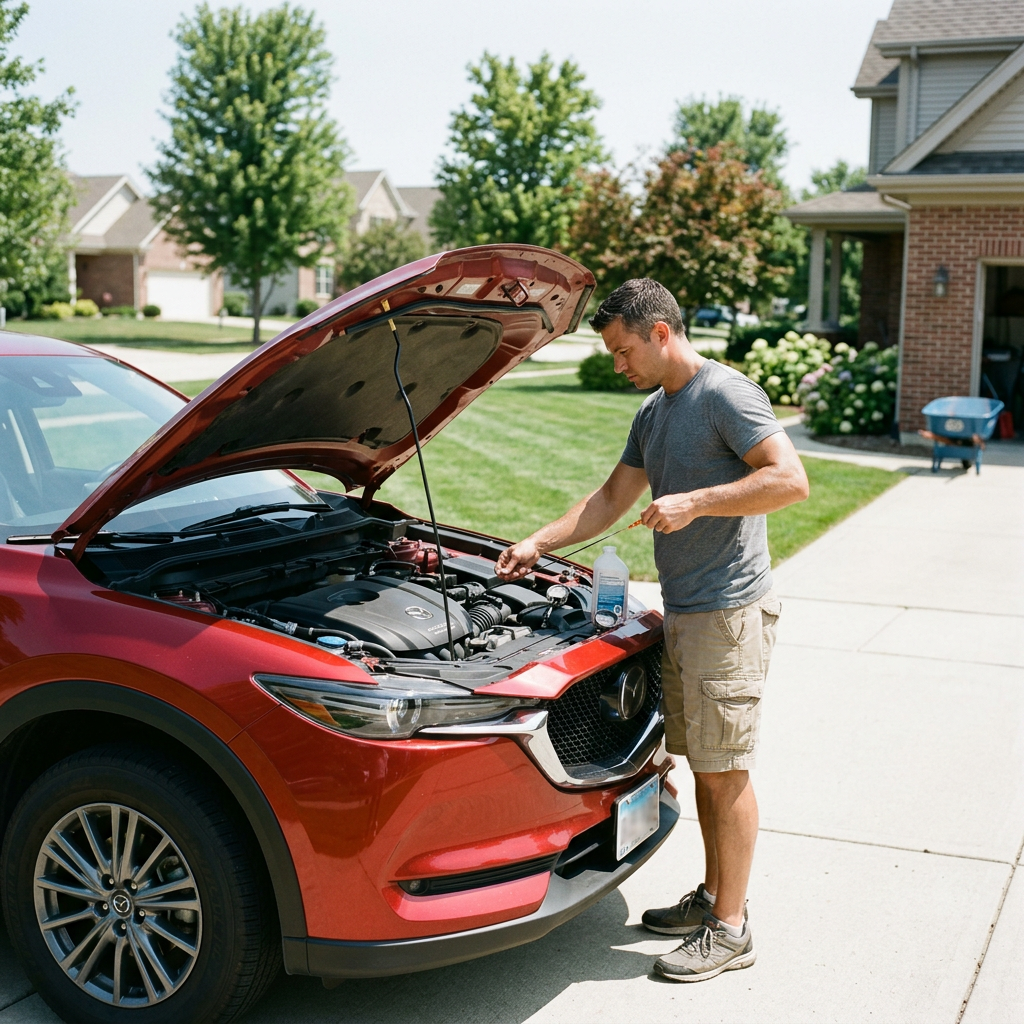
A man checks the engine oil of a red SUV parked on a suburban driveway with the hood open.

Commuting in the Chicagoland area is challenging enough under normal circumstances, but when temperatures climb into the mid-90s, the stress on your vehicle increases exponentially. Whether you are battling stop-and-go traffic on I-55, navigating the local routes through Joliet, or heading up to the city on a Friday afternoon, extreme heat tests every critical component of your car. To avoid an inconvenient breakdown on a blistering highway shoulder, performing a quick pre-trip inspection is highly recommended. First, let's talk about **battery health**. While most drivers associate dead batteries with freezing winter mornings, extreme summer heat is actually far more damaging to your battery's internal chemistry. High temperatures accelerate internal corrosion and cause the vital liquid electrolyte inside the battery to evaporate. This drastically reduces the battery's overall capacity and shortens its lifespan. If your battery is more than three years old, having it professionally tested before a major road trip is cheap insurance against getting stranded. Second, keep a close eye on your **tire pressure**. For every 10-degree change in ambient temperature, your tire pressure will expand or contract by approximately 1 PSI. Driving on tires that are over-inflated due to extreme heat increases the risk of a high-speed blowout, compromises your braking efficiency, and accelerates uneven tread wear. Always check your tire pressure in the morning when the tires are "cold" (before you have driven more than a mile) and adjust them to the manufacturer's recommended PSI listed on the driver's side door jamb. Finally, monitor your **engine coolant levels**. Your engine's cooling system is under immense strain when it has to keep the motor cool while simultaneously running the AC compressor on a hot day. Inspect your coolant overflow reservoir to ensure the fluid level is between the minimum and maximum lines, and check for any signs of cracking or swelling on the radiator hoses. If your coolant is old and degraded, it will lose its ability to transfer heat efficiently, leading to engine overheating and catastrophic internal damage. Taking fifteen minutes to check these vital areas before a long summer drive will keep your commute smooth, safe, and stress-free.

Beat the Heat with Mazda's Advanced Dual-Zone Climate Control and Ventilated Seats

Dual-Zone Automatic Climate ControlMazda's advanced dual-zone climate system allows the driver and front passenger to customize their personal temperature microclimates. Utilizing precise digital sensors, the system automatically adjusts fan speeds and blend doors to maintain your exact preferred temperature, regardless of the fluctuating summer heat outside.

Active Ventilated SeatsUnlike traditional designs that push chilled air through the seat, Mazda's sophisticated ventilated front seats actively draw warm air and humidity away from your body. This creates a highly effective cooling sensation that prevents sweat and discomfort, ensuring you stay refreshed and relaxed during long drives around Naperville.

Intelligent Cabin ManagementMazda vehicles are engineered to optimize cabin air quality. The system automatically switches between fresh air intake and recirculation mode based on real-time ambient conditions, helping to cool the cabin faster upon startup while keeping external road dust and industrial allergens completely out of your breathing space.

If your current vehicle lacks these modern comfort features, it might be the perfect time to explore an upgrade that makes summer driving a pleasure rather than a chore. At Hawk Mazda, we carry a wide selection of vehicles equipped with these exact luxury features. You canBrowse New Mazda Inventoryto find your perfect cooled companion, or check out our high-quality pre-owned options when youBrowse Used Vehicle Inventory. Ready to make a move? You can easilyGet Your Trade-In Valueonline to see how much equity you can apply toward your new, ultra-cool ride.

Your Ultimate Illinois Summer Car Care and AC Performance Checklist
To help you stay ahead of the sweltering heat, we have compiled an easy-to-follow checklist of essential summer maintenance items. Keeping these key areas inspected and serviced will ensure your vehicle runs smoothly, efficiently, and comfortably, even when the heat index reaches record heights. Our service department at Hawk Mazda is fully equipped to handle each of these critical maintenance tasks, utilizing certified technicians who understand the specific needs of your vehicle. From checking refrigerant levels with specialized machinery to testing battery health with state-of-the-art diagnostic equipment, we are committed to keeping you moving without interruption.

Maintenance Item

What We Inspect

Recommended Interval

Refrigerant Charge

Check for system leaks and pressure levels

Every 2 Years / As Needed

Cabin Air Filter

Inspect for dirt, pollen, and airflow restrictions

Every 15,000 Miles / Yearly

Drive Belts & Hoses

Look for cracks, dry rot, and tension issues

Every 30,000 Miles

Battery & Charging System

Test voltage, cold cranking amps, and terminal corrosion

Every 6 Months / Before Summer

Engine Coolant Level

Check fluid level and quality of protective additives

Every 10,000 Miles / Seasonally

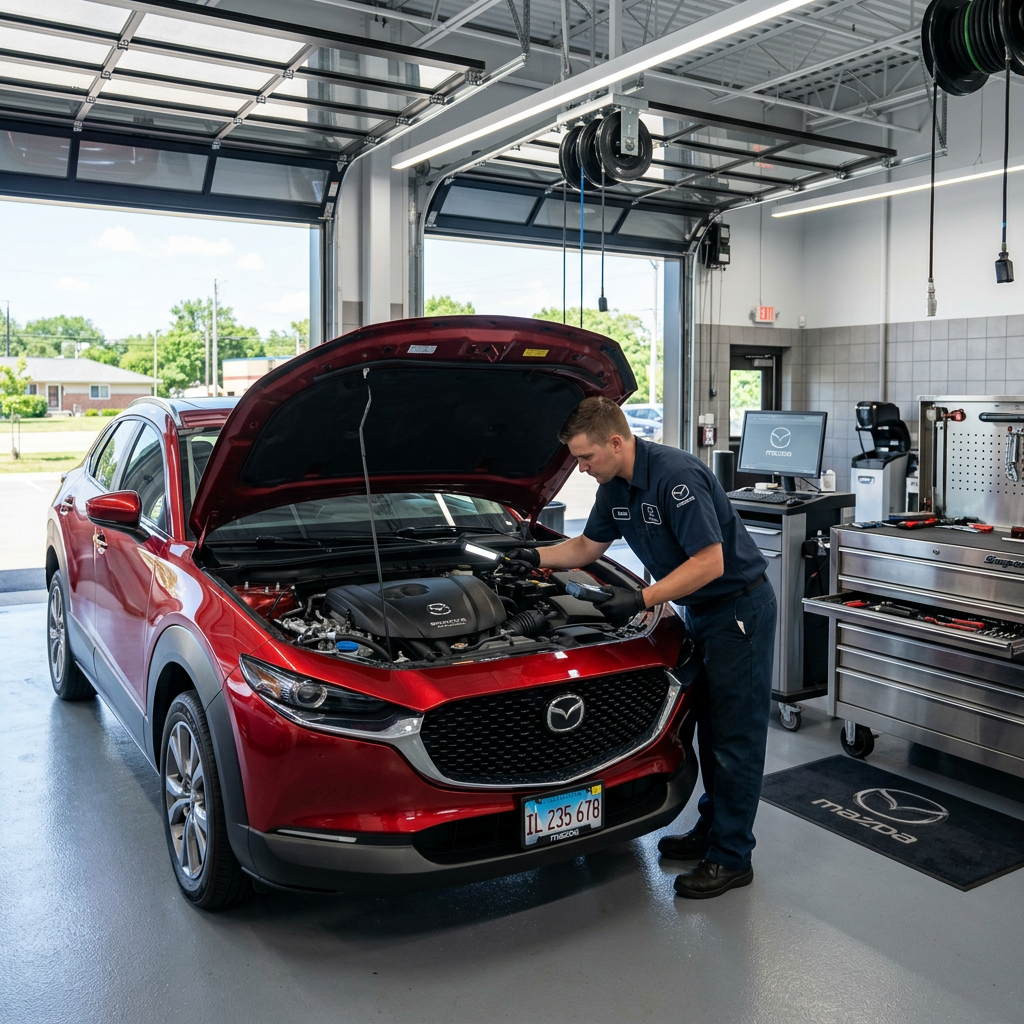
A mechanic in a blue uniform inspects the engine of a red Mazda SUV inside a clean dealership service bay.

Schedule Your Summer AC Performance Check at Hawk Mazda in Plainfield Today

Do not let the relentless Illinois summer heat ruin your driving experience. Whether you are planning a weekend road trip, commuting along Route 59, or simply running errands around Plainfield, having a fully functioning, ice-cold air conditioning system is essential. At Hawk Mazda, our factory-trained technicians are here to help you beat the heat with professional AC diagnostics, cabin filter replacements, system recharges, and comprehensive vehicle inspections. We invite you to experience the peace of mind that comes with certified Mazda service and genuine OEM parts. Getting in touch with our friendly service team is simple and convenient. You canCall us at (779) 260-6502to speak with an advisor directly, orGet Directions to Hawk Mazdaand visit our state-of-the-art facility at 2421 S Route 59 in Plainfield, IL 60586. Let us help you maintain a cool, comfortable, and safe ride all summer long!


Subscribe to Our Blog

Popular Tags

Technology