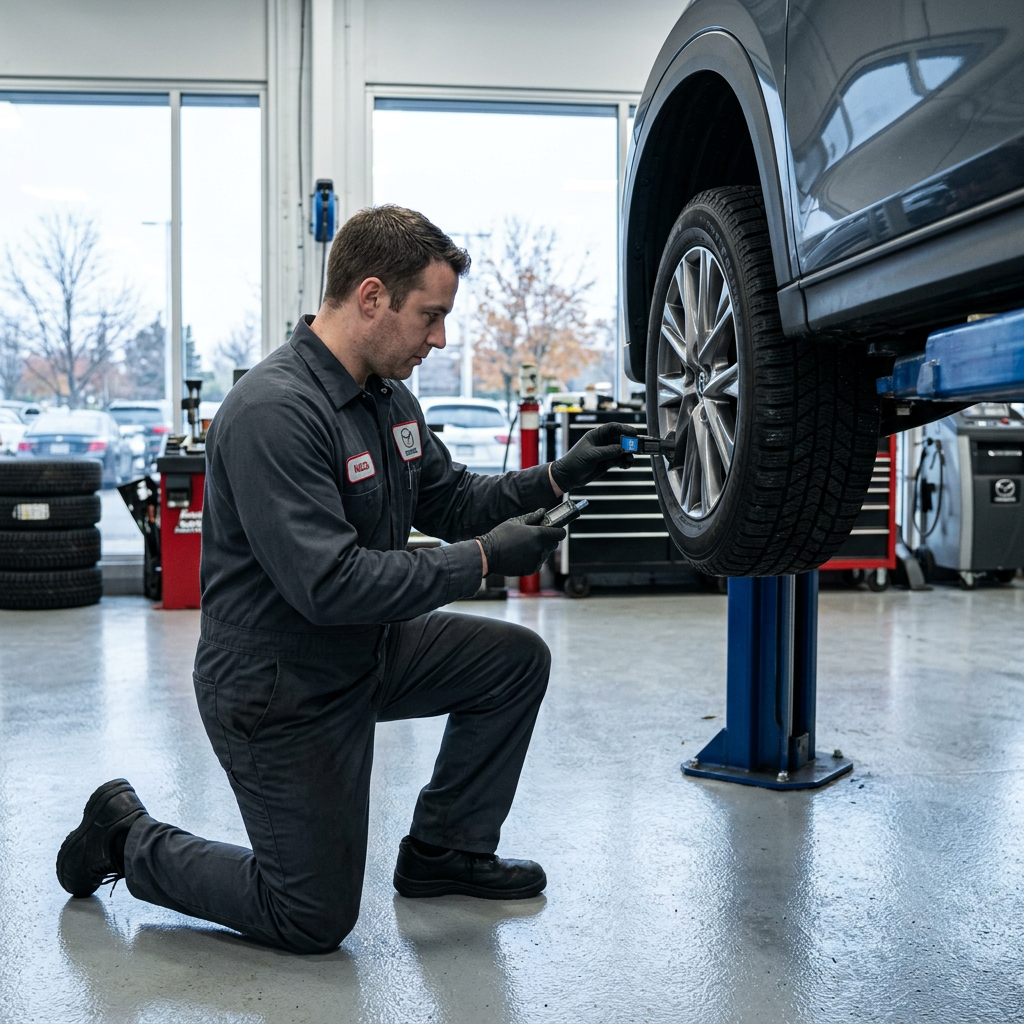
How Long Do Dedicated Winter Tires Last When Swapped Seasonally?
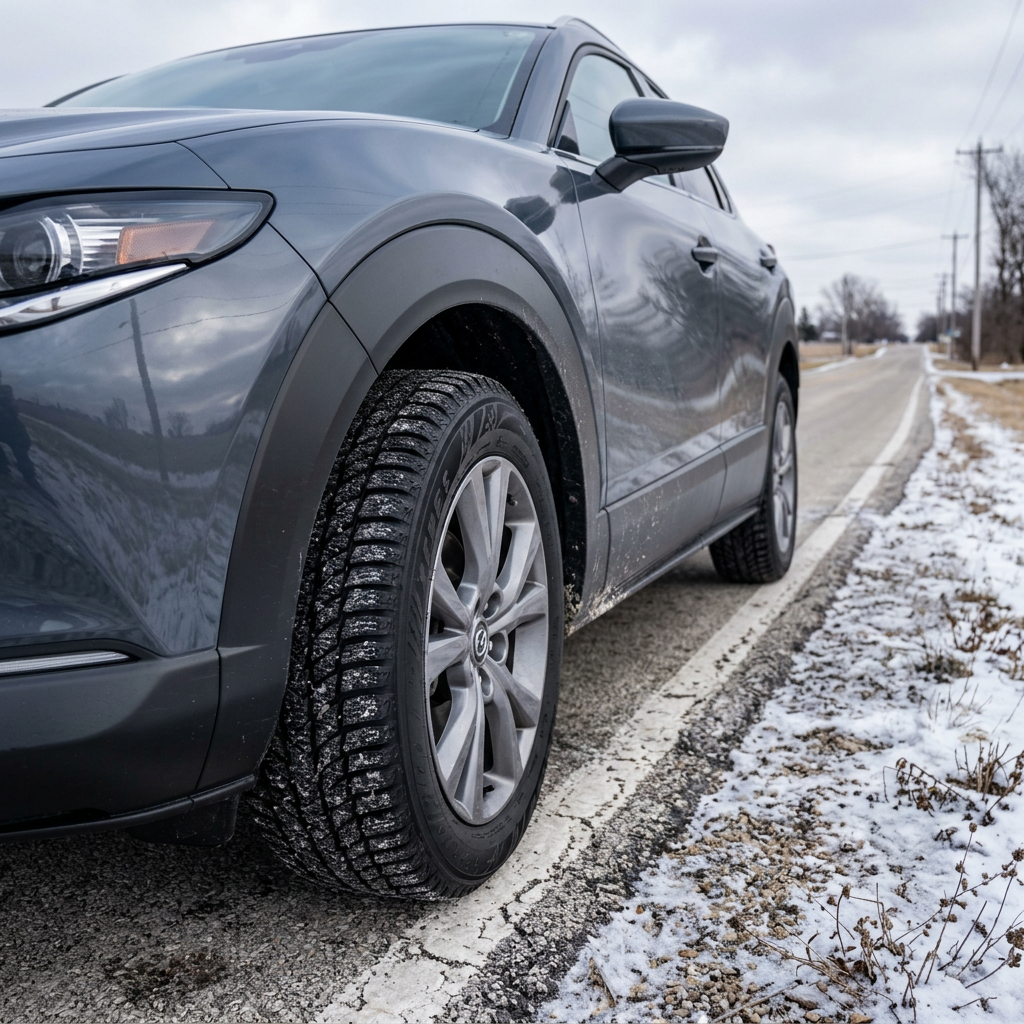
For vehicle owners across Plainfield, Joliet, Shorewood, and greater Will County, investing in dedicated winter tires is one of the single most effective decisions you can make to guarantee winter road safety. However, a common question continuously arises among drivers: How long do dedicated winter tires typically last if swapped seasonally? The concise key takeaway is that when installed, removed, and stored correctly on a seasonal schedule, a set of quality winter tires will deliver between 4 to 6 full winter seasons, or approximately 20,000 to 30,000 total miles of reliable winter service.
In Northern Illinois, the winter driving calendar generally spans from mid-November through late March or early April—a window of roughly four to five months. During this period, the average Chicagoland commuter racks up between 4,000 and 6,000 seasonal miles on highways like I-55, Route 59, and Lincoln Highway. Because winter tires utilize specialized flexible tread compounds and high-density 3D siping engineered strictly for sub-45°F temperatures, their wear rate is uniquely tied to ambient weather conditions and pavement friction.
Unlike standard all-season tires, which use hard rubber compounds designed to endure summer asphalt heat, dedicated winter tires feature hydrophilic (water-attracting) soft rubber compounds infused with silica or canola oil derivatives. This unique chemistry prevents the tire from hardening into hockey-puck consistency when sub-zero temperatures hit Will and Kendall Counties. When you swap them off every spring before warm pavement accelerates tread breakdown, you preserve that specialized compound for years of winter traction. At Hawk Mazda in Plainfield, our certified technicians help hundreds of commuters maximize winter tire lifespan through precise seasonal changeover scheduling, balancing, and alignment verification.
Understanding Winter Tire Tread Wear and Useful Lifespan Thresholds
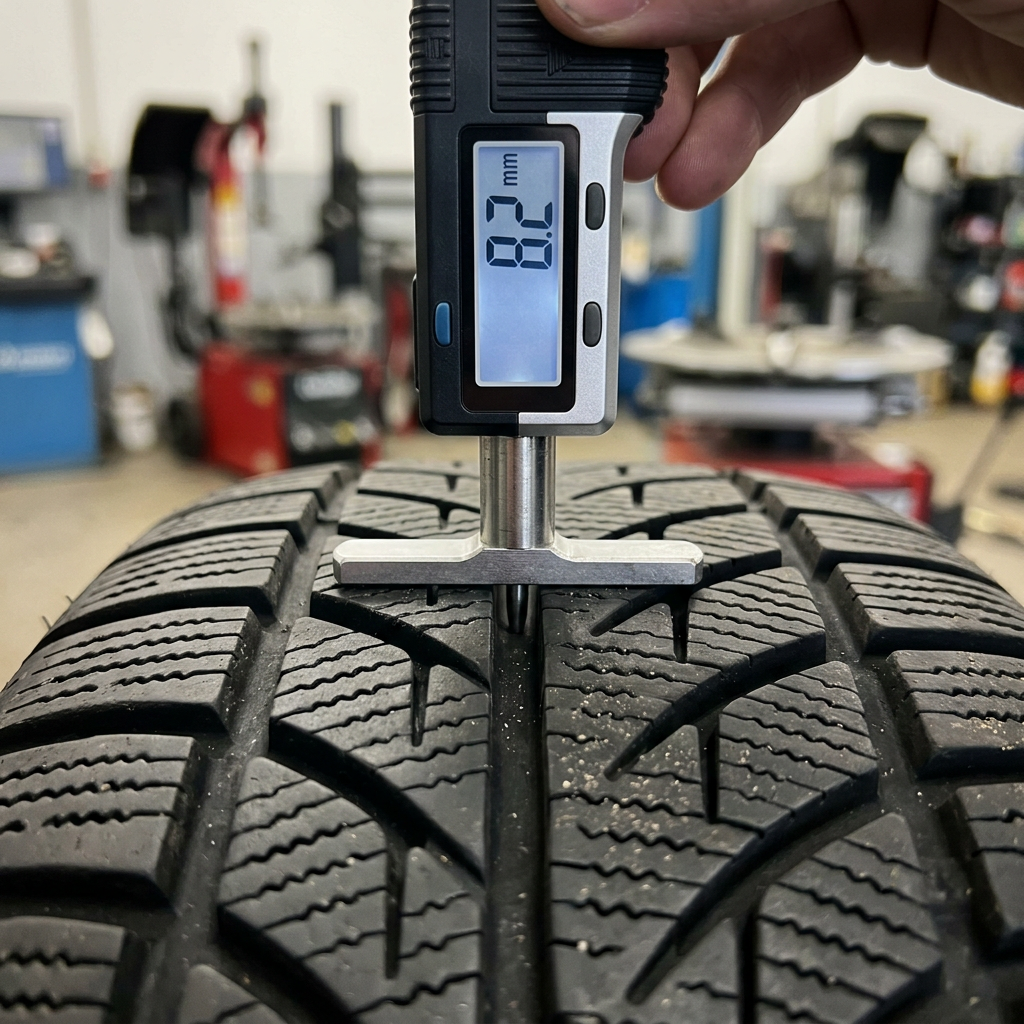
To accurately evaluate winter tire longevity, it is essential to understand that winter tire tread wear rules differ drastically from standard all-season or summer tires. A standard tire is legally considered worn out when its tread depth reaches 2/32 of an inch. However, a dedicated winter tire loses its core snow-pack, ice-grip, and slush-evacuation capabilities long before hitting that legal minimum.
Most dedicated winter tires begin their lifespan with 11/32 to 13/32 of an inch of deep tread depth. The critical performance threshold for snow and ice performance occurs at 6/32 of an inch. Winter tire manufacturers design the top 50% of the tread block with high-density micro-sipes and soft hydrophilic cap compounds. Once the tread wears past 6/32 of an inch, the high-density siping disappears, and the rubber compound transitions into a firmer base polymer designed primarily for structural integrity.
While a tire worn to 5/32 or 4/32 inch may still display the Three-Peak Mountain Snowflake (3PMSF) symbol on its sidewall, its real-world stopping distance on pack ice or slushy interstate ramps increases substantially. Drivers navigating early-morning commutes along Route 59 or I-55 will notice reduced lateral stability and delayed ABS response once tread depth drops below 6/32 inch.
|
Tread Depth (in.)
|
Performance Level
|
Action Recommended
|
|
12/32" – 10/32"
|
100% Snow/Ice Traction
|
Optimal winter performance
|
|
9/32" – 7/32"
|
Strong Winter Traction
|
Regular seasonal rotation
|
|
6/32"
|
Critical Threshold
|
Plan replacement next season
|
|
5/32" – 4/32"
|
Severely Reduced Ice Grip
|
Replace immediately for winter
|
|
2/32"
|
Legal Minimum Limit
|
Unsafe for all driving
|
Key Factors That Accelerate or Extend Winter Tire Lifespan
1. Temperature Management
Ambient temperature is the single biggest factor governing soft-compound rubber wear. Winter tires are engineered to operate in sustained temperatures below 45°F (7°C). Driving winter tires on dry pavement above 50°F significantly accelerates tread abrasion. In Northern Illinois, unseasonably warm spring weeks can cook away thousands of miles of tread life if seasonal swaps are delayed. Swapping early in November and removing them promptly in late March protects compound integrity.
2. Alignment & Rotations
Chicagoland winter roads present severe pothole challenges, especially along heavily trafficked routes like Route 59, Lincoln Highway, and I-55. A single impact can knock vehicle wheel alignment out of spec, causing rapid, uneven shoulder wear on winter tires. Rotating winter tires every 5,000 miles (or every seasonal swap) and verifying wheel alignment during mounting ensures balanced wear across all four tire positions.
3. Pressure & Driving Habits
Tire pressure drops approximately 1 to 2 PSI for every 10°F drop in outdoor temperature. Running underinflated winter tires increases friction heat on dry roads and accelerates outer edge wear. Additionally, aggressive acceleration, hard cornering on dry asphalt, and heavy highway speeds heat soft sipes rapidly. Smooth braking and acceleration inputs keep winter tire tread blocks stable and extend functional calendar life.
How Off-Season Storage Impacts Winter Tire Longevity
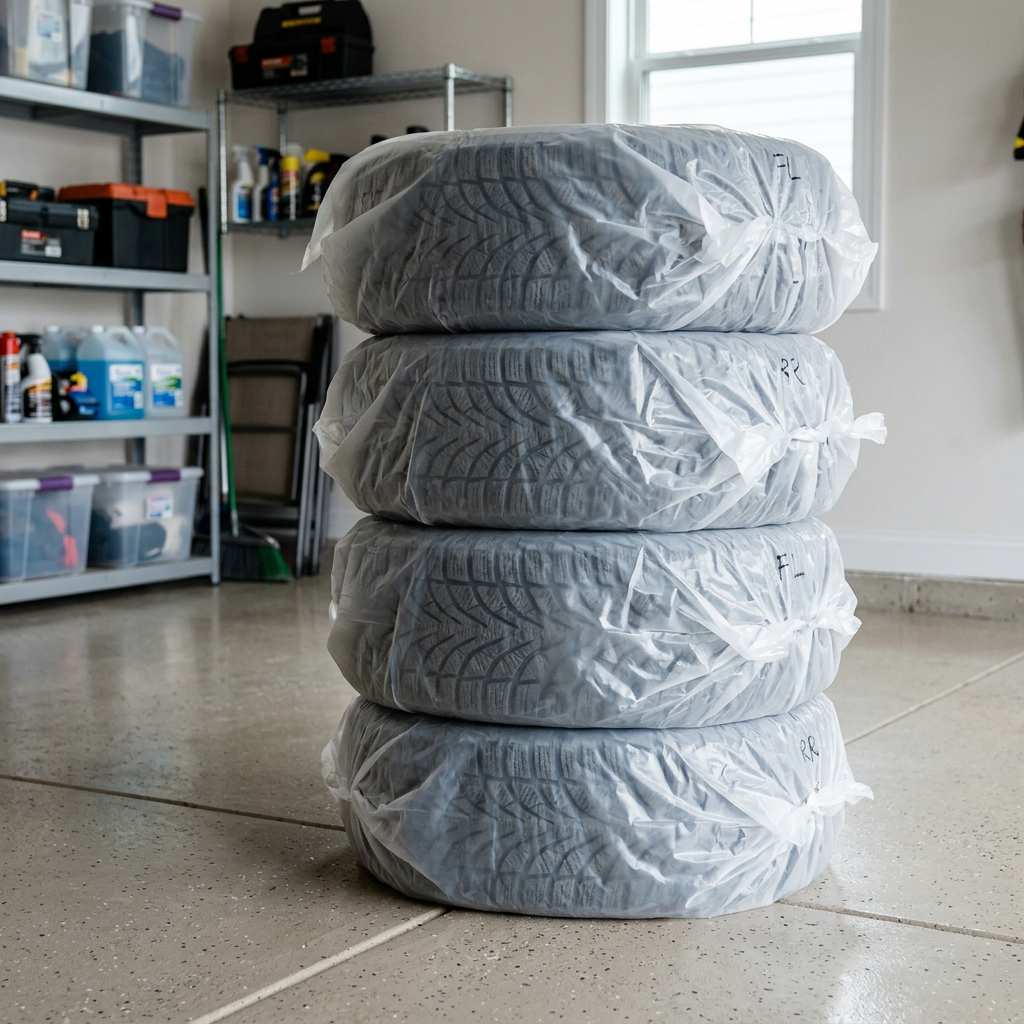
What happens to your winter tires during the seven months they spend off your vehicle in spring and summer directly impacts how long they last. Improper storage can ruin a winter tire set faster than actual road driving due to compound degradation, ozone oxidation, and dry rot.
Essential Off-Season Storage Protocol:• Thorough Washing: Before storage, wash off all corrosive road salt, chemical de-icers, and brake dust using mild soap and water. Allow tires to dry completely. • Airtight Plastic Bagging: Place each tire inside an airtight heavy-duty plastic tire bag. Squeeze out excess air and seal tightly to preserve essential compound oils. • Cool, Dark Environment: Store tires indoors in a basement or climate-controlled garage away from direct sunlight, UV rays, and heat sources. • Ozone Protection: Keep tires away from electric motors, generators, arc welders, and furnaces, which emit ozone gas that causes rapid rubber cracking. • Proper Stacking Orientation: Store mounted tires (on wheels) inflated to 25 PSI either stacked vertically or hung from rim hooks. Store unmounted tires standing upright on tread faces.
Chicagoland Winter Readiness: Essential Cold-Weather Maintenance Checklist for Joliet and Plainfield Commuters
While mounting dedicated winter tires provides unparalleled traction on icy Plainfield roadways, overall winter vehicle reliability requires a comprehensive vehicle winterization strategy. Northern Illinois winter weather delivers sub-zero arctic blasts, heavy lake-effect snow, and severe freeze-thaw cycles that test every vital mechanical system on your vehicle.
|
Maintenance Item
|
Inspection Focus
|
Winter Risk Factor
|
Recommended Service Action
|
|
Winter Tire Swap
|
Tread depth > 6/32", air pressure
|
Loss of traction on ice/slush
|
Mount & balance seasonal winter tire set
|
|
Windshield Wipers
|
Rubber blade tears, beam tension
|
Streaking, ice buildup blinding driver
|
Install winter beam-style wiper blades
|
|
Washer Fluid
|
Freeze protection rating (-20°F or lower)
|
Frozen fluid lines and reservoir cracking
|
Flush summer fluid; fill with winter de-icer formula
|
|
Engine Belts & Hoses
|
Rubber cracking, tension, soft spots
|
Cold rubber snaps under sudden freezing load
|
Inspect serpentine belts & radiator hoses
|
|
Coolant / Antifreeze
|
Hydrometer freeze point test (-35°F target)
|
Engine block cracking due to internal freezing
|
Test coolant mixture ratio (50/50 ethylene glycol)
|
|
Underbody Protection
|
Road salt buildup, brake line coating
|
Rapid rust and frame/brake line corrosion
|
Schedule high-pressure underbody rinse & sealant
|
Completing this checklist before the first freeze in Joliet and Bolingbrook eliminates stressful cold-weather breakdown risks. Certified technicians at Hawk Mazda's Plainfield Service Center perform thorough winterization inspections alongside your seasonal tire changeover.
How Extreme Cold Affects Car Battery Capacity and Output
Few winter experiences are as frustrating as stepping out into sub-zero Joliet cold, turning the ignition key, and hearing nothing but a sluggish click. Extreme cold severely hampers automotive battery chemistry, precisely when your engine requires maximum electric power to start.
At 32°F (0°C), a standard lead-acid car battery loses roughly 20% to 35% of its rated output capacity. When temperatures plummet to 0°F (-18°C) or lower during Chicagoland cold snaps, available battery power drops by up to 50%. Simultaneously, engine oil thickens in the crankcase, doubling the starter motor's mechanical resistance.
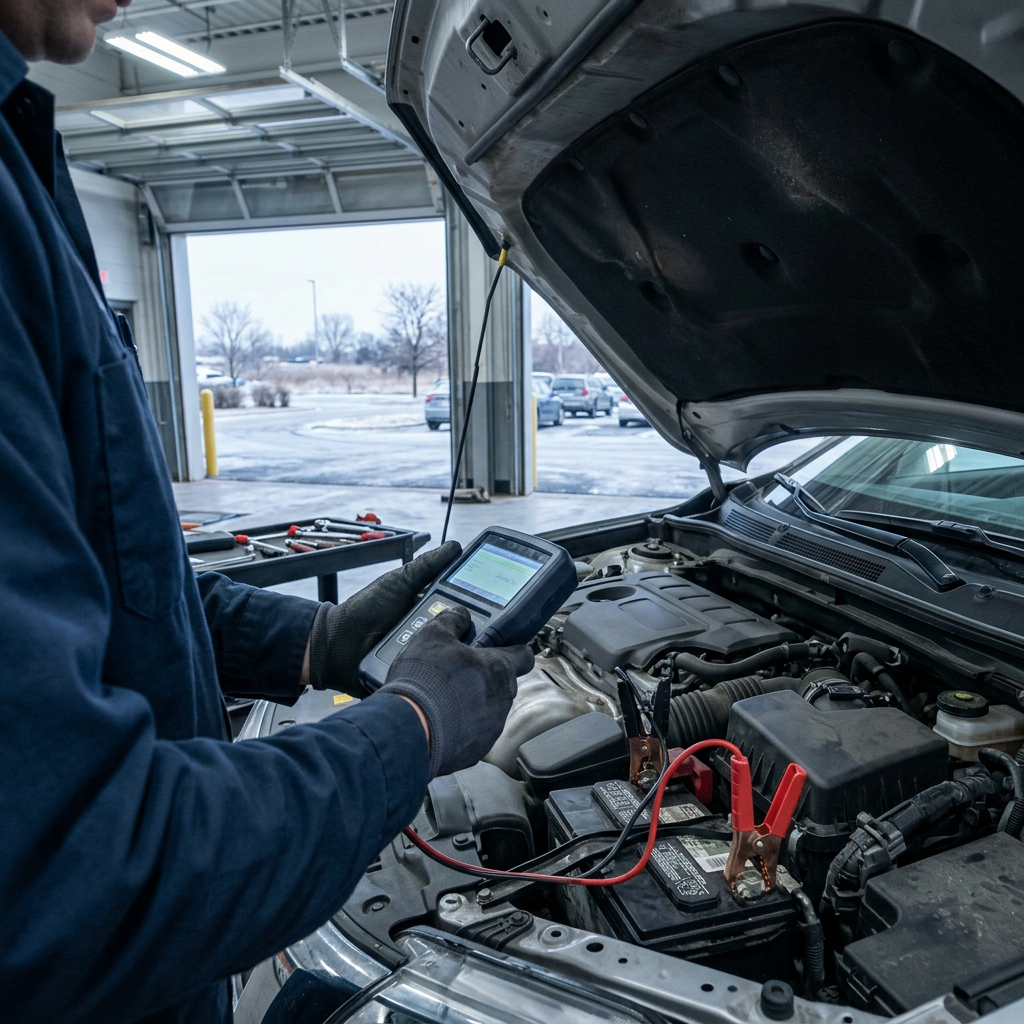
Testing your battery's Cold Cranking Amps (CCA) during your seasonal tire swap appointment is vital. Batteries older than 3 to 4 years frequently fail without warning during the first prolonged freeze. A conductance test measures internal resistance and remaining reserve capacity before sub-zero mornings strand you at home.
What Engine Oil Viscosity Is Best for Winter Driving in Chicagoland?
Understanding 'W' Ratings
The 'W' in motor oil designations (such as 0W-20 or 5W-30) stands for 'Winter', not weight. The number preceding the 'W' indicates cold-pour flow characteristics at low temperatures. Lower numbers mean fluid flows faster at sub-zero starts, delivering rapid lubrication to critical engine components within milliseconds of ignition.
0W-20 vs 5W-30 Synthetic
Modern Mazda SKYACTIV® engines are factory-engineered for ultra-low viscosity full synthetic oils like 0W-20. Full synthetic oil resists cold gelation far better than conventional or synthetic blends. In sub-zero Shorewood morning starts, 0W-20 circulates almost instantly compared to heavier 5W-30 or 10W-30 blends.
Preventing Cold Startup Wear
Up to 75% of engine wear occurs during initial cold startup before oil achieves full operating temperature. Using factory-recommended full synthetic oil during seasonal winter service ensures immediate oil pressure, reduced timing chain wear, optimal fuel economy, and smooth valve operation throughout severe Will County winters.
What Is Included in a Comprehensive Winter Car Service Package and What Does It Cost?
A complete pre-winter service package bundles essential vehicle winterization tasks into a single efficient visit. Rather than scheduling separate appointments for tire changeovers, oil service, and brake checks, combining these items saves time and reduces overall maintenance costs.
Standard Pre-Winter Service Package Includes: • Professional seasonal tire swap, mounting, precision wheel balancing & TPMS reset • Full multi-point brake system inspection (pads, rotors, calipers, moisture check in brake fluid) • Digital battery health & CCA conductance test • Full synthetic engine oil & genuine OEM filter replacement • Antifreeze/coolant density hydrometer test & fluid top-offs • Exterior lighting check & wiper blade replacement
In the Joliet and Plainfield area, a comprehensive pre-winter vehicle inspection and service package is available at current market pricing, depending on whether you require pre-mounted wheel swaps or full tire demount/remounting on a single wheel set. Ordering Genuine Mazda Parts and Accessories through Hawk Mazda guarantees exact fitment and long-term winter durability.
Emergency Supplies and Cold-Weather Driving Precautions for Will County Commuters
Essential Emergency Kit
Every Will County vehicle should pack a winter emergency kit in the trunk: • Portable lithium jump-starter pack • Heavy-duty thermal blankets & gloves • Compact folding shovel & ice scraper • Traction mats or cat litter • Flashlight, high-protein snacks, & water • First aid kit & emergency flares
Black Ice Hazards
Black ice is a persistent hazard along DuPage River bridges, overpasses on I-55, and shaded turns on Route 59. Elevated bridge decks freeze significantly faster than surrounding roadways due to ambient air circulation beneath the structure. Reduce speed before approaching overpasses and avoid sudden steering or braking inputs.
Rural Road Driving
Rural roadways connecting Plainfield, Shorewood, and Minooka experience severe open-field wind gusts that cause blowing snow and sudden whiteout conditions. Maintain increased following distance (6 to 8 seconds), keep your fuel tank above half-full to prevent fuel line freeze, and keep emergency contacts handy.
How to Tell When Your Winter Tires Need Replacement
Tread Indicators & Sipe Wear
Most premium winter tires feature built-in snow platform indicators molded into the tread grooves. These raised rubber bars sit at exactly 6/32 of an inch. When the tread block wears flush with these platforms, the tire has reached the end of its effective winter service life. Additionally, inspect the 3D micro-sipes across the tread surface. If these zig-zag slits appear shallow, smooth, or rounded off at the edges, the tire can no longer bite into hard-packed snow or surface ice effectively.
Rubber Age & Structural Degradation
Even if a winter tire has ample tread depth remaining, rubber compounds naturally age and harden over time. Locate the 4-digit DOT date code on the tire sidewall (e.g., '4220' means 42nd week of 2020). Winter tires older than 5 to 6 calendar years should be evaluated closely for rubber hardening, sidewall micro-cracking, and dry rot. If you notice increased ABS intervention during routine braking on wet pavement or feel lateral slippage during mild cornering, the rubber compound has likely lost its flexible hydrophilic qualities.
Are Dedicated Winter Tires Worth the Investment for Plainfield and Shorewood Driving?
When calculating the financial aspect of dedicated winter tires, many drivers mistakenly view them as an extra expense. In reality, alternating between a summer/all-season tire set and a dedicated winter tire set effectively doubles the calendar lifespan of both tire sets. Every mile driven on your winter tires is a mile saved on your primary tires.
From a safety perspective, tests consistently prove that dedicated winter tires reduce stopping distance on snow and ice by up to 30% to 40% compared to standard all-season tires. At 30 mph on glare ice, that difference equals nearly two full car lengths—often the exact margin between stopping safely and experiencing a collision.
Whether navigating a front-wheel drive Mazda3, an i-Activ AWD® Mazda CX-5, or a family-sized CX-90 through sudden Will County winter storms, winter tires maximize steering control and emergency braking confidence. Considering collision deductibles and insurance rate hikes, winter tires represent an outstanding safety investment.
Schedule Your Seasonal Winter Tire Swap and Cold-Weather Service in Plainfield
Schedule your service before the first major Chicagoland snowstorm creates long service queues. Protect your family, vehicle, and tire investment by scheduling your seasonal winter tire swap and complete winterization service at Hawk Mazda today.
Located conveniently at 2421 S Rte 59 in Plainfield, IL 60586, our factory-certified service team is equipped with advanced tire mounting, balancing, and diagnostic tools calibrated specifically for your vehicle. Explore our winter tire packages, consult with our tire experts, or schedule online in under two minutes.