What Is the Difference Between OEM, OE, and Aftermarket Parts? The Direct Answer
When your vehicle requires service, routine maintenance, or collision repair, the catalog of replacement components can feel overwhelming. The automotive parts industry is divided into three primary classifications: OEM (Original Equipment Manufacturer), OE (Original Equipment), and Aftermarket. Understanding the clear distinctions between these categories directly impacts your vehicle's mechanical safety, operating performance, factory warranty status, and long-term depreciation curve.
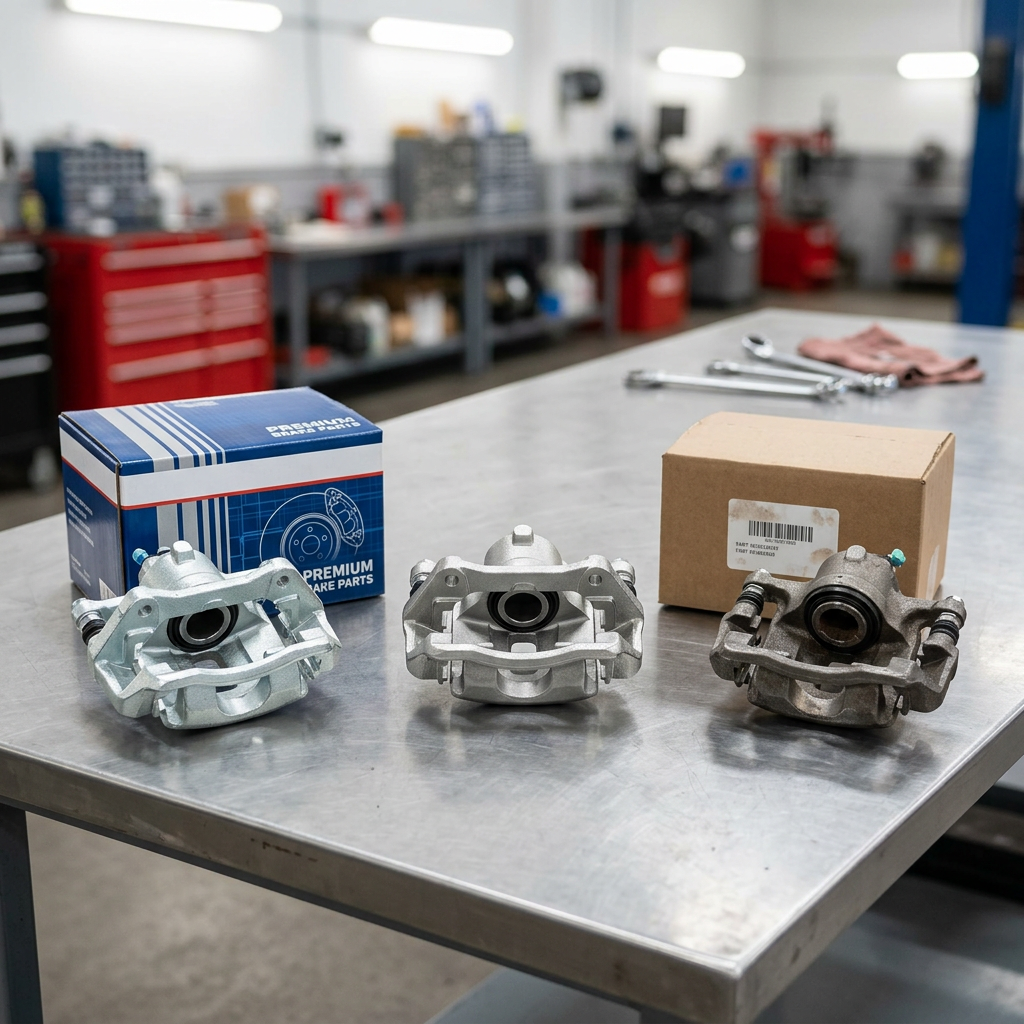
OEM parts are fabricated by the specialized supplier that built the original component for the automaker, branded in official automaker packaging, backed by an automaker-backed warranty, and sold exclusively through franchised dealership networks. OE parts represent the exact physical components installed on the vehicle on the factory assembly line; these are often marketed directly by the component supplier under their own corporate name without the automaker's stamped logo. In contrast, aftermarket parts are engineered and produced by independent third-party companies that reverse-engineer the original component, altering manufacturing alloys, tolerances, and finishes to lower production overhead or customize attributes. Balancing initial acquisition price against exact vehicle longevity is the core decision every driver faces.
What Does OEM Stand For and How Are OEM Parts Manufactured?
OEM stands for Original Equipment Manufacturer. In contemporary automotive assembly, vehicle manufacturers design proprietary platforms and commission certified engineering partners—such as Denso, Bosch, Brembo, or Aisin—to produce precision assemblies according to uncompromising technical blueprints. When Mazda engineers conceptualize an engine cradle, an electronic steering rack, or an advanced sensor cluster, the material specifications require exact tensile strengths, thermal thresholds, and micro-inch tolerances. The contracted supplier produces these parts using computer-aided engineering (CAE) blueprints provided directly by the manufacturer.
Manufacturing genuine OEM hardware takes place under strict clean-room protocols, multi-stage robotic quality inspections, and metallurgical stress validations that third-party mass fabricators rarely replicate. Each alloy mixture is calibrated to survive cyclic load stresses and chemical oxidation. After passing factory quality audits, these units receive the automaker's stamped certification mark, verification serialization, and comprehensive manufacturer warranty coverage before reaching dealership parts departments.
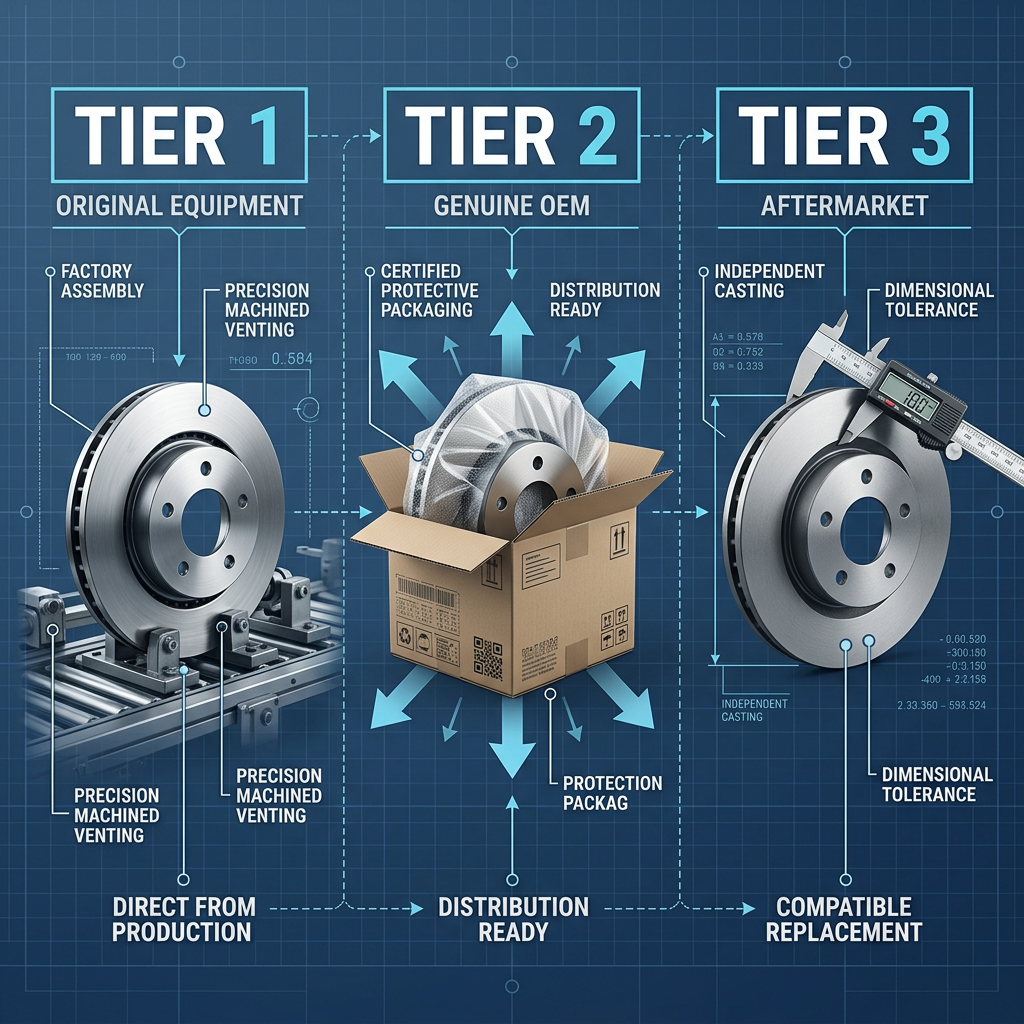
OE vs. OEM vs. Aftermarket: Breaking Down the Three Auto Component Tiers
Tier 1: Original Equipment (OE)
These are the exact mechanical components installed on the vehicle while traversing the factory assembly line. They carry the supplier's initial batch stamping and match the engineering calibration of your vehicle on delivery day.
Tier 2: Genuine OEM
Certified replacement parts manufactured to identical factory blueprints, branded in genuine automaker packaging, and distributed via authorized networks. They feature national manufacturer warranties honorably supported by certified dealer service centers.
Tier 3: Independent Aftermarket
Fabricated by unaffiliated third parties using reverse-engineered measurements. Quality spans widely from premium niche track equipment to low-grade cast iron copies, carrying inconsistent distributor warranties.
Core Benefits of OEM Parts for Performance, Resale Value, and Warranty Protection
Selecting genuine OEM parts delivers an uncompromising mechanical standard that safeguards your vehicle's long-term equity. The first primary advantage is genuine plug-and-play fitment. Unlike generic alternatives that require brackets, filing, or custom wiring modifications, an OEM replacement mounts precisely into the factory chassis using original hardware mounting points.
Furthermore, genuine OEM components preserve your vehicle's factory warranty. Modern vehicle electronic control units (ECUs) and powertrain control modules (PCMs) communicate through intricate Controller Area Network (CAN-bus) architectures. Off-spec electronic modules can introduce line interference, triggering cascading diagnostic trouble codes (DTCs) that risk invalidating powertrain warranty provisions. From a financial perspective, maintaining an unbroken service history with verified genuine parts dramatically elevates valuation when you request a trade appraisal. Prospective buyers and dealer evaluators recognize documented genuine maintenance as proof of careful stewardship.
Why Is Precise Fitment Critical When Selecting Replacement Auto Parts?
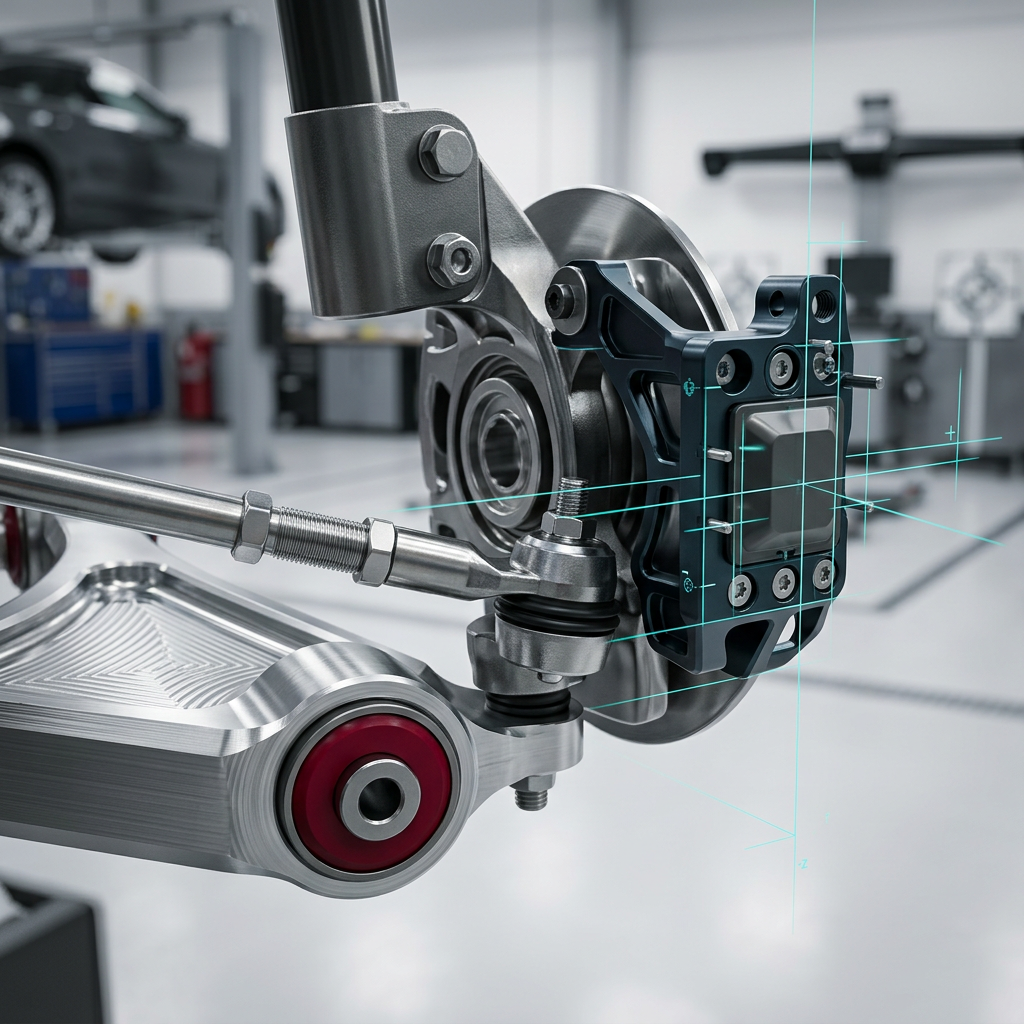
Dimensional tolerances in modern automotive engineering are measured in hundredths of a millimeter. When suspension control arm bushings, brake caliper brackets, or steering tie-rod ends deviate even slightly from factory CAD specifications, the vehicle's dynamic balance changes. A variance of just 0.5 millimeters in a control arm bushing can induce severe steering wander, irregular tire scrub, and accelerated shock absorber degradation. More critically, modern vehicles rely on Advanced Driver Assistance Systems (ADAS)—including lane departure prevention, radar cruise control, and automated emergency braking.
These safety networks depend on precise sensor positioning. An aftermarket front bumper cover or windshield that alters camera angles by even one degree can blind forward-facing collision mitigation hardware, creating critical safety risks during sudden highway stops.
Which Automotive Components Show the Biggest Performance Gap Between OEM and lower-cost aftermarket?
Brake Discs & Friction Pads
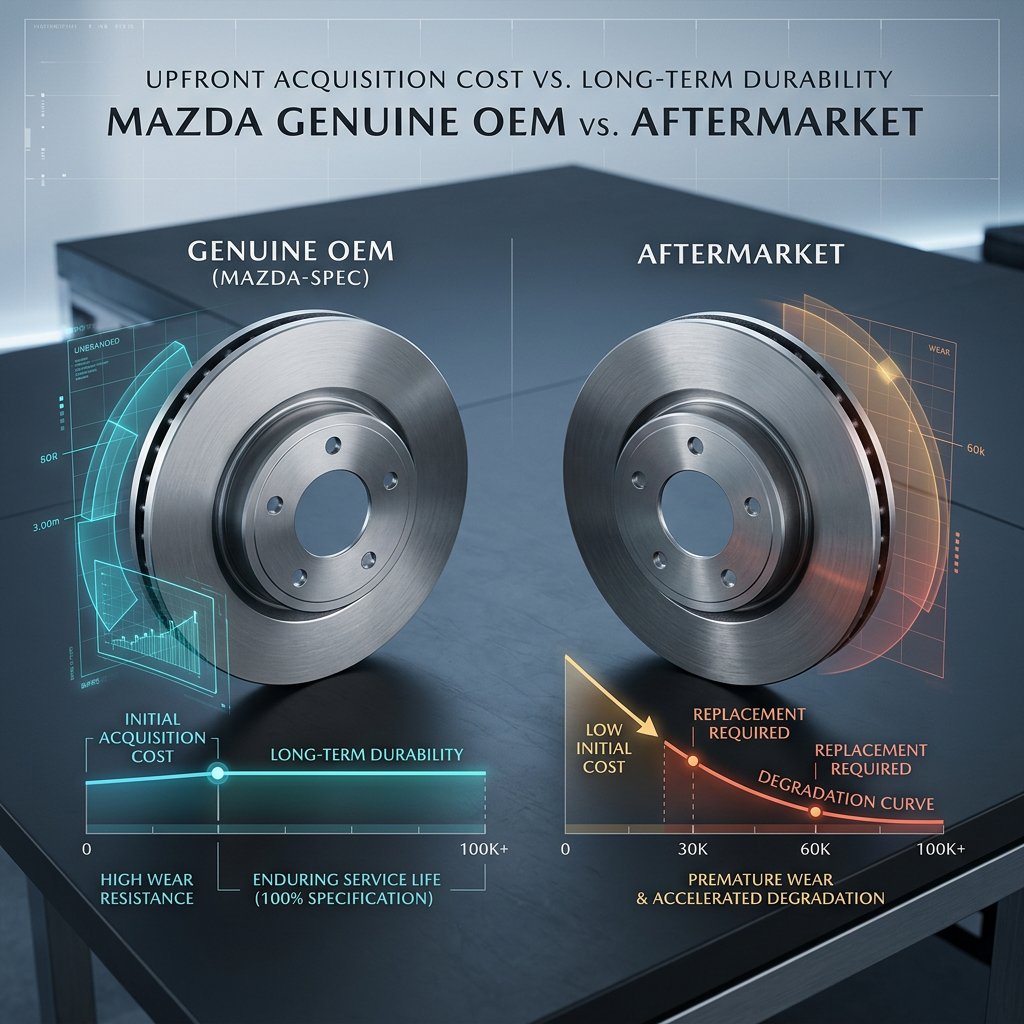
OEM brake rotors utilize virgin high-carbon cast iron with precision internal cooling vanes that dissipate heat rapidly. Inexpensive aftermarket alternatives frequently employ porous recycled slag iron. This inferior metallurgy leads to premature rotor warping, brake pedal pulsation, excessive ceramic dust, and compromised wet-weather friction coefficients.
Powertrain & O2 Sensors
Engine management sensors monitor air-fuel ratios, mass airflow, and camshaft timing with microsecond precision. Budget aftermarket sensors often feature slow response rates and inferior internal heating coils, confusing the powertrain control module, reducing fuel economy, and triggering persistent Check Engine lights.
Suspension & Water Pumps
Factory water pumps use stamped stainless steel impellers and sealed ceramic mechanical bearings built to withstand continuous thermal expansion. lower-cost aftermarket copies often use stamped composite plastic impellers prone to cracking, while suspension ball joints use synthetic neoprene boots that split, losing lubrication rapidly.
How Much More Do OEM Parts Typically Cost Compared to Aftermarket Parts?
On average, genuine OEM parts carry an initial sticker price approximately 20% to 60% higher than standard white-box aftermarket alternatives. This upfront price differential is directly tied to substantial investments in material purity, manufacturer crash-testing validation, robotic quality control audits, and nationwide warranty backing. While an aftermarket alternator or radiator may seem like a bargain on a web portal, the lower price point is achieved by substituting lighter copper winding gauges, omitting protective anti-corrosion coatings, and eliminating long-cycle durability testing.
When calculated alongside installation labor and premature replacement cycles, the genuine OEM component consistently proves to be the more cost-effective option over the vehicle's lifespan.
Can Lower Initial Aftermarket Part Prices Lead to Higher Total Repair Costs?
The hidden cost of bargain replacement auto parts lies in the hidden cost of repeat labor. Automotive maintenance costs are composed of two elements: component cost and technician labor hours. When an inexpensive aftermarket alternator fails after eight months, the consumer must pay the full diagnostic and labor fee a second time to replace it. Furthermore, secondary component damage is frequent. An out-of-spec aftermarket water pump bearing that seizes can throw or shred the serpentine drive belt, instantly disabling the alternator, water circulation, and power steering, which can cause severe cylinder head warping and thermal engine damage.
Beyond repair bills, secondary failures introduce non-reimbursable towing charges, stranded commuter downtime, and missed work. When you factor in warranty claims that may be denied due to non-compliant aftermarket hardware, the short-term savings of a lower-cost part disappear. Investing in certified factory engineering protects your household transportation budget against unpredictable, recurring repair expenses.
Plainfield and Joliet Commuting: Why Northern Illinois Roads Demand Factory-Grade Durability

Severe Freeze-Thaw Cycles
Will County winters subject vehicles to drastic temperature swings. Genuine OEM rubber bushings, weather seals, and CV boots are formulated with proprietary elastomeric compounds designed to remain pliable in sub-zero chills without cracking or letting moisture in.
Chemical Road Salt Exposure
Illinois highway maintenance heavily applies liquid magnesium chloride and rock salt along Route 59 and Interstate 55. OEM fasteners, brake calipers, and exhaust components undergo multi-coat zinc plating and e-coating to resist galvanic corrosion far longer than bare aftermarket alternatives.
Heavy Expressway Stop-and-Go
Stop-and-go morning traffic between Plainfield, Shorewood, and Joliet generates high thermal cycles in transmission coolers, brake assemblies, and radiator cores. Genuine factory hardware is specifically stress-tested for these demanding daily commuter duty cycles.
Insurance Claims and the Magnuson-Moss Warranty Act: Your Rights to OEM Replacements
Following a collision or minor fender-bender, vehicle owners are frequently surprised to discover their insurance carrier's initial estimate specifies recycled or aftermarket crash parts. Insurance Direct Repair Programs (DRPs) often seek to minimize claims payouts by selecting non-OEM hoods, fenders, and headlamp assemblies. As the vehicle policyholder, you have specific consumer rights. Many automotive insurance carriers offer an OEM Endorsement Rider that guarantees repairs are completed exclusively with brand-new original factory panels and assemblies. Exercising this option ensures your vehicle's crumple zone integrity and sensor brackets match factory standards.
From a mechanical standpoint, the federal Magnuson-Moss Warranty Act states that a manufacturer cannot automatically void your entire vehicle warranty simply because an aftermarket part was installed. However, there is a crucial catch: if the aftermarket part causes or contributes to a subsequent mechanical or electrical breakdown, the automaker can rightfully deny warranty coverage for that specific failure. For major powertrain systems, choosing genuine factory components provides total protection against contentious warranty disputes.
Are OEM Parts Worth the Higher Initial Price Compared to Aftermarket Parts? The Verdict
When evaluated across a standard 3-year to 5-year ownership horizon, the total cost of ownership (TCO) calculation heavily favors genuine OEM components for critical operating assemblies. In safety-critical areas—such as braking hardware, steering linkage, structural body reinforcements, ignition modules, and powertrain electronics—genuine parts deliver superior longevity, eliminate secondary labor charges, and protect trade-in equity.
|
Vehicle System
|
Recommended Choice
|
Primary Engineering Reason
|
|
Braking & Safety
|
Genuine OEM
|
Predictable friction ratings, zero rotor vibration, thermal resilience
|
|
Engine & Transmission
|
Genuine OEM
|
Direct ECU communication, warranty compliance, factory alloys
|
|
Cosmetics & Floor Liners
|
Quality Aftermarket
|
Aesthetic preference without structural or mechanical risk
|
|
Suspension & Steering
|
Genuine OEM
|
Sub-millimeter geometry tolerances, ADAS sensor alignment
|
Aftermarket accessories can be a practical option for non-critical aesthetic items, such as heavy-duty all-weather cargo trays or exterior styling accents. But when it comes to keeping your daily commuter safe and preserving future value, genuine factory parts remain the definitive standard.
How to Spot Counterfeit Auto Parts and Verify Authentic Genuine Components
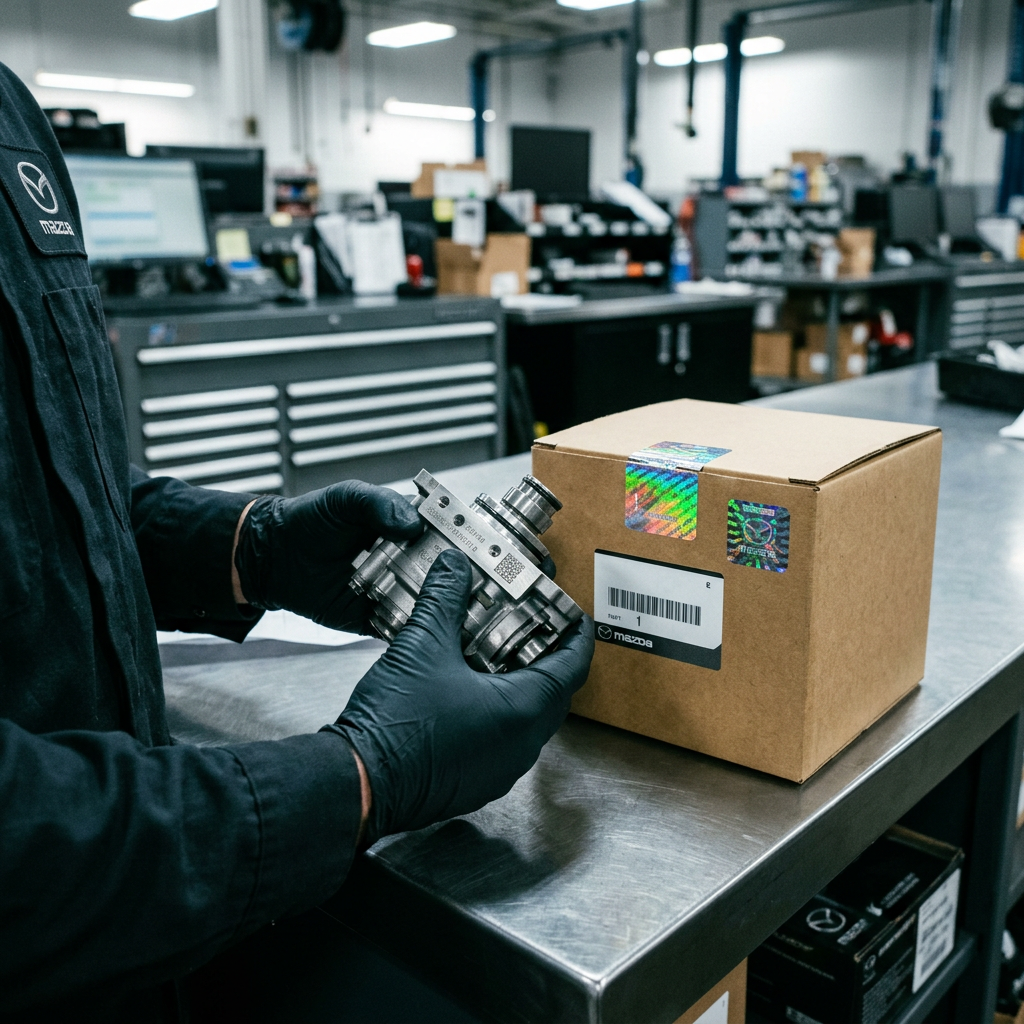
The global influx of counterfeit automotive parts sold through unregulated online third-party marketplaces poses a serious hazard. Counterfeit oil filters with subpar filter paper can collapse inside your engine, while counterfeit spark plugs featuring fake ceramic insulators can shatter into combustion chambers. To safeguard your vehicle, follow this verification checklist: • Verify Matching VIN Part Numbers: Cross-reference the part number stamped on the box directly against the automaker's global parts catalog. • Inspect Security Holograms: Authentic packaging includes tamper-evident holographic labels, crisp typographic printing, and scannable serial barcodes. • Examine Casting Details: Authentic parts feature clean casting lines, precise machining marks, and legible laser-etched logos without metal flashing or burrs. • Purchase via Authorized Chains: Sourcing directly from an authorized dealership parts department guarantees a transparent, factory-traceable supply chain.
Order Genuine Mazda Parts and Schedule Expert Installation in Plainfield
For drivers throughout Plainfield, Joliet, Shorewood, and surrounding Will County communities, Hawk Mazda is your dedicated home for certified engineering excellence. Whether you require factory-grade ceramic brake pads, genuine Skyactiv engine components, or winter-ready accessories, our parts specialists ensure you receive exact VIN-matched hardware directly from the manufacturer.
Our factory-trained technicians possess the specialized diagnostic tools and calibrated equipment needed to install every component to exact factory specifications. Have questions about an upcoming repair? Call (779) 260-6502 to speak with a certified advisor, or get directions to Hawk Mazda on Route 59 to pick up authentic parts today.